Frederick County Public Schools Implements Blanket AI Ban for All Students
Share this article
What the Ban Means for Frederick County Classrooms
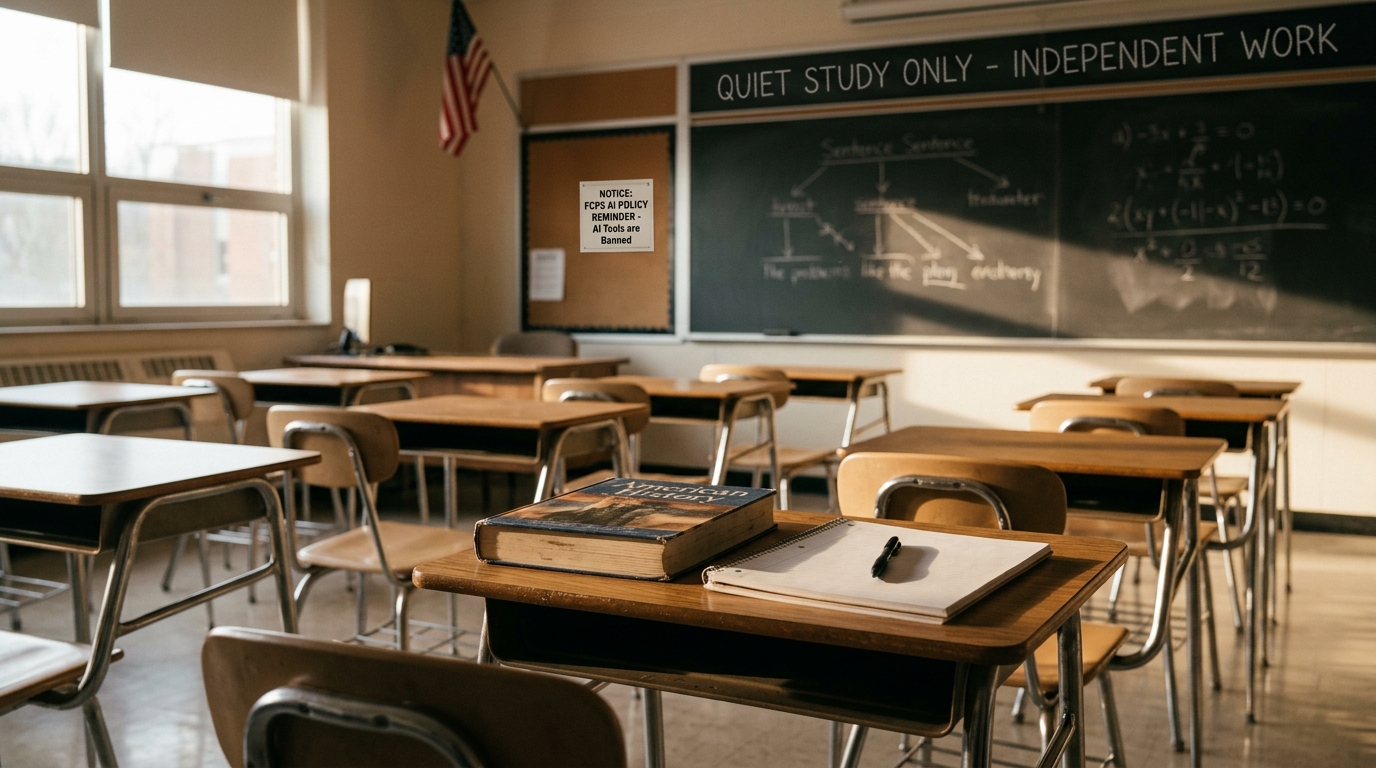
Starting now, students enrolled in FCPS from the earliest learners in Pre-K up through graduating seniors in 12th grade are prohibited from using AI tools for their schoolwork. This encompasses everything from popular generative AI platforms that can write essays and solve math problems to more subtle AI assistants that might aid in research or coding. The intent is clear: to ensure that student work reflects their own understanding and effort, rather than the output of an algorithm. This move places Frederick County Public Schools in a distinct position within the region. While some educational institutions are experimenting with AI to personalize learning or assist teachers, FCPS is drawing a firm line, emphasizing traditional learning methods and critical thinking skills developed independently by students. It’s a bold statement in an era where AI is becoming increasingly ubiquitous in everyday life, and it's bound to spark conversations in faculty lounges, parent-teacher conferences, and dinner tables across the county.Navigating the AI Landscape in Education
The rapid rise of generative AI tools like ChatGPT has thrown a curveball into classrooms worldwide. Educators are grappling with how to maintain academic integrity while also preparing students for a future where AI will undoubtedly play a significant role. For Frederick County, the immediate solution is prohibition, allowing the district time to evaluate the long-term implications and develop a more nuanced approach, if necessary. This decision also highlights the challenges faced by school systems as they try to keep pace with technological advancements. Policies around new tech often lag behind innovation, and school boards must weigh the benefits against the potential pitfalls. In this instance, FCPS appears to be prioritizing the foundational skills of learning and intellectual honesty over early adoption of AI tools for student use. The district's official stance can often be found on the Frederick County Public Schools website, which serves as a central hub for policy updates and educational resources for students and parents.Impact on Students and Educators
For students, this ban means a return to, or continuation of, traditional methods for completing assignments. Essays must be written by hand or typed out by the student, research papers compiled through personal effort, and problem-solving done without the immediate assistance of an AI chatbot. It reinforces the importance of original thought and critical analysis, skills that are crucial regardless of technological advancements. Educators in Frederick County will also need to adapt. They'll be tasked with enforcing this policy and educating students about what constitutes AI use and why it's prohibited. This might involve updating assignment guidelines, developing new methods for assessing student work, and having open discussions about academic integrity in the digital age. The Maryland State Department of Education provides broader guidelines and resources that local districts often consider when crafting their own technology policies.The Broader Conversation About AI in Schools
Frederick County's decision is not an isolated incident but part of a larger national and even international dialogue. School districts across the country are taking varied approaches, from outright bans to cautious integration, to developing new curricula around AI literacy. This variety underscores the lack of a clear consensus on how best to manage AI in K-12 education. For DMV residents, this specific policy in Frederick County could set a precedent or spark similar discussions in neighboring jurisdictions like Montgomery County or Loudoun County, which also grapple with integrating technology into their expansive school systems. The move underscores the need for clear, well-communicated policies regarding emerging technologies, ensuring that students, parents, and teachers are all on the same page. Staying informed about educational policies is key, and resources like the Maryland.gov education portal can offer insights into state-level initiatives. This ban from FCPS is a significant development for the Frederick County community. It signals a commitment to traditional academic values in the face of rapidly advancing technology. As the school year progresses, it will be interesting to see how students and educators navigate this new landscape and whether this policy evolves in response to feedback and further understanding of AI's capabilities and limitations.📍 Local Resources
Contact for general inquiries, student policies, and administrative questions regarding the school system.
Department responsible for curriculum, instruction, and academic integrity policies.
Provides statewide educational policies, resources, and support for local school districts.
Explore more on this topic
Related Stories
Alexandria Apartment Residents Voice Concerns Over AI Parking Cameras

North Bethesda Woman Fined $1,000 for AI Prank That Triggered Police Response
A North Bethesda woman has been ordered to pay $1,000 to police after an AI-generated prank call led to an emergency response, highlighting the real-world consequences of digital deception.

Maryland Campuses Navigate AI Misconduct with Patchwork of Policies
Maryland universities are navigating the complex world of AI misconduct with varied approaches, largely relying on faculty discretion and existing academic integrity policies. This creates a patchwork of rules across campuses, leaving students and educators to adapt as AI tools evolve.