Maryland Campuses Navigate AI Misconduct with Patchwork of Policies
Share this article
Faculty Discretion Takes the Lead
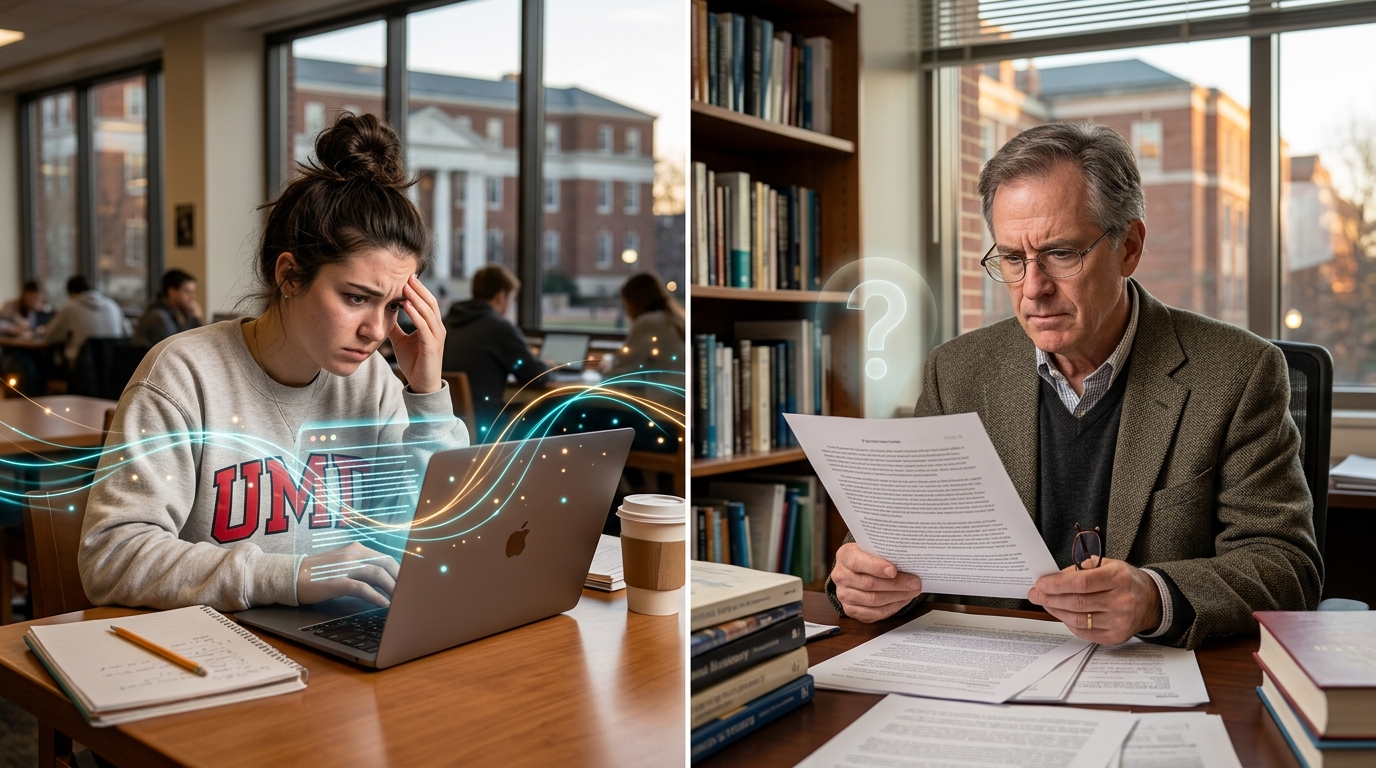
At the heart of the current approach is faculty discretion. Professors are often the first line of defense, tasked with identifying suspected AI-generated content and determining the appropriate response. This means that a student at, say, the University of Maryland, Baltimore County, might encounter a vastly different disciplinary process than a peer at Salisbury University for a similar offense. This variability underscores the challenge of implementing consistent policies when the technology itself is still so new and its applications in education are constantly shifting.The Evolving Landscape of AI in Education
The rapid evolution of artificial intelligence has thrown a wrench into traditional academic practices. Tools like ChatGPT can generate sophisticated text, translate languages, and even write code, making it increasingly difficult for educators to discern authentic student work from AI-assisted submissions. This isn't just about catching cheaters; it's about preserving the integrity of learning and assessment. The lack of a unified strategy across Maryland's higher education system poses questions for both students and educators. Students need clear expectations about what constitutes acceptable and unacceptable use of AI, while faculty require robust support and consistent guidelines to enforce academic honesty effectively. The Maryland Higher Education Commission (MHEC) oversees public and private colleges and universities in the state, and while their role is broad, the specifics of academic integrity policies often fall to individual institutions. This isn't a challenge unique to Maryland. Universities nationwide are grappling with the same issues, seeking best practices and trying to strike a balance between embracing new technologies and upholding academic standards. For more on how AI is impacting education, resources like the EDUCAUSE Learning Initiative offer insights into the broader conversation. As AI tools become even more sophisticated and integrated into daily life, Maryland's colleges and universities will likely need to move beyond faculty discretion and general policies. The conversation will need to shift towards developing clear, consistent, and transparent guidelines that address the unique challenges and opportunities presented by AI in academia. What does this mean for students heading into the fall semester at local institutions like the University of Maryland, College Park, or Coppin State? It means understanding your university's specific academic integrity policies, asking your professors about their expectations regarding AI use, and staying informed as these guidelines undoubtedly evolve. Keeping an eye on announcements from your school's provost office or student affairs department will be key to navigating this new academic frontier.Explore more on this topic
Related Stories
Children's National Hospital Taps AI to Slash Emergency Room Wait Times
Children's National Hospital in Washington, D.C., is deploying artificial intelligence to predict patient volume and acuity in its emergency room, significantly cutting down wait times for families across the DMV. This innovative approach aims to improve efficiency and reduce stress during pediatric emergency visits.
Fairfax County Social Workers Embrace AI to Boost Family Time
Fairfax County is deploying artificial intelligence (AI) tools to help social workers reduce administrative tasks, allowing them to dedicate more time to directly assisting vulnerable families. This initiative aims to streamline paperwork and enhance the quality of support for residents across Northern Virginia.
Frederick County Public Schools Implements Blanket AI Ban for All Students
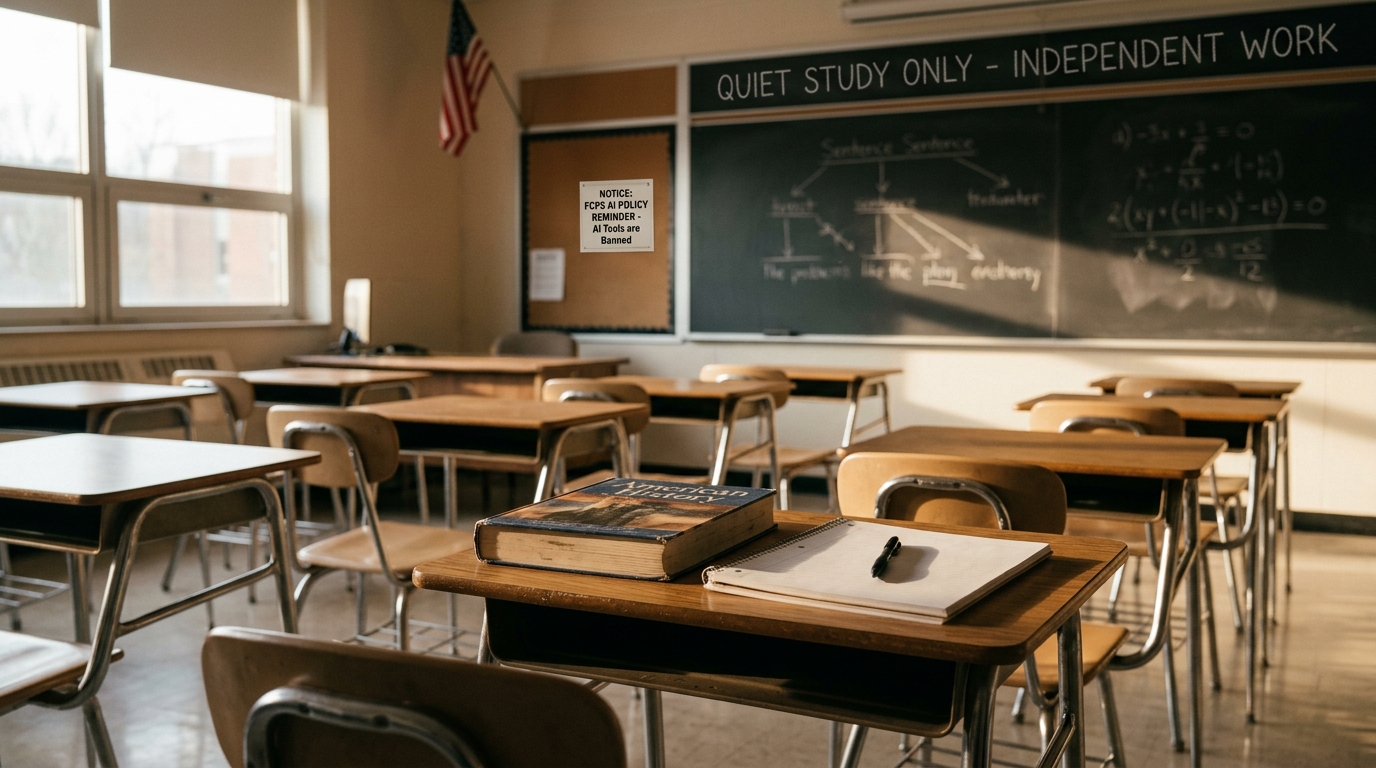
Frederick County Public Schools has implemented a total ban on artificial intelligence tools for all students from pre-kindergarten through 12th grade, marking a significant policy shift for the DMV school system. The decision aims to ensure academic integrity and independent student work amidst the rapid rise of AI technologies.