New Federal Rules Spark Fear Among Maryland SNAP and Medicaid Recipients
Share this article

Understanding the "One Big Beautiful Bill" Impact
The federal legislation, referred to in reports as the "One Big Beautiful Bill," introduces stricter work requirements for individuals receiving SNAP and Medicaid benefits. While specific details of the bill's provisions are still being clarified by state agencies, the overarching goal appears to be to encourage more recipients into employment or increased work hours. However, for many, like Stephen, who are already working, these changes don't address their underlying economic challenges; they exacerbate them. The changes come at a time when many families are still navigating the economic aftershocks of recent years, dealing with rising inflation and stagnant wages. SNAP, often called food stamps, provides crucial financial assistance for low-income individuals and families to purchase groceries. Medicaid offers vital health coverage to millions who might otherwise go without. Altering access to these programs without robust support systems can have profound ripple effects on public health, food security, and overall community well-being."The SNAP cuts are forcing her to choose between food and other essentials." — Ryan Ross, Capital News Service (Baltimore Fishbowl)
The Marylander's Dilemma: Food or Rent?
The potential cuts to SNAP benefits mean less money for groceries, pushing families to make painful trade-offs. Will it be fresh produce or paying the electric bill? Enough protein for the kids or new school shoes? For someone like Shvonne Stephen, who is already working full-time, these aren't theoretical questions; they are immediate, stressful realities. Even full-time employment at minimum wage or slightly above often doesn't cover the high cost of living in the DMV region, making supplemental assistance programs indispensable.What This Means for DMV Residents in Maryland
For residents in Montgomery County, Frederick County, and other Maryland communities within the DMV, these federal rule changes translate into direct uncertainty about their household budgets and access to healthcare. It's crucial for anyone currently receiving SNAP or Medicaid to stay informed about any communications from MD DHS or MDH regarding new requirements, reporting changes, or potential benefit adjustments. Ignoring these updates could lead to an unexpected loss of vital assistance. Residents who believe they might be affected should proactively reach out to their local social services offices to understand the specific implications for their family. Understanding the new rules, what constitutes a "work requirement," and any available exemptions will be key to navigating these changes. The situation underscores the ongoing need for robust social safety nets, particularly in high-cost areas like our own, where even full-time work doesn't always guarantee financial stability.📍 Local Resources
Administers SNAP benefits and provides information on eligibility, applications, and changes to federal guidelines.
Maryland's official health insurance marketplace, where residents can apply for Medicaid and other health plans.
Offers free assistance to help Marylanders apply for SNAP and understand their benefits, including advocacy for food security.
Explore more on this topic
Related Stories

Marymount University's First Hispanic President Shares a Story of Persistence in Arlington

Fairfax County Seniors Offer Mixed Reviews on Life and Retirement in New Survey
A new survey reveals Fairfax County seniors generally like living in the area but give it lower marks as an ideal place to retire. The findings, presented this week, highlight a critical distinction for county planners.
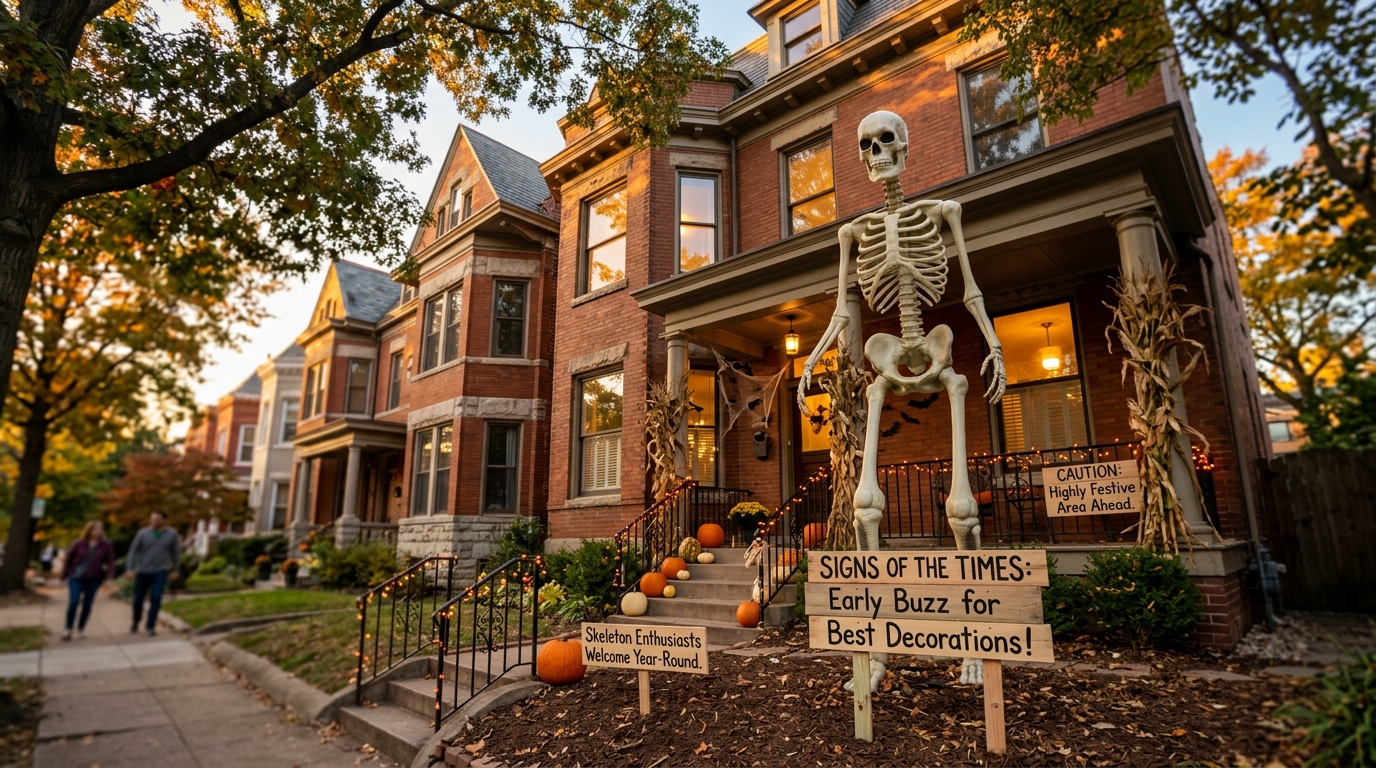
Woodley Park Home's Witty Halloween Signs Spark Early Buzz
A Woodley Park home is turning heads with its witty Halloween signs and a giant skeleton, sparking early buzz for the season's best decorations and highlighting the DMV's festive spirit.