National Zoo Director Discusses Future of Beloved Panda Program
Share this article
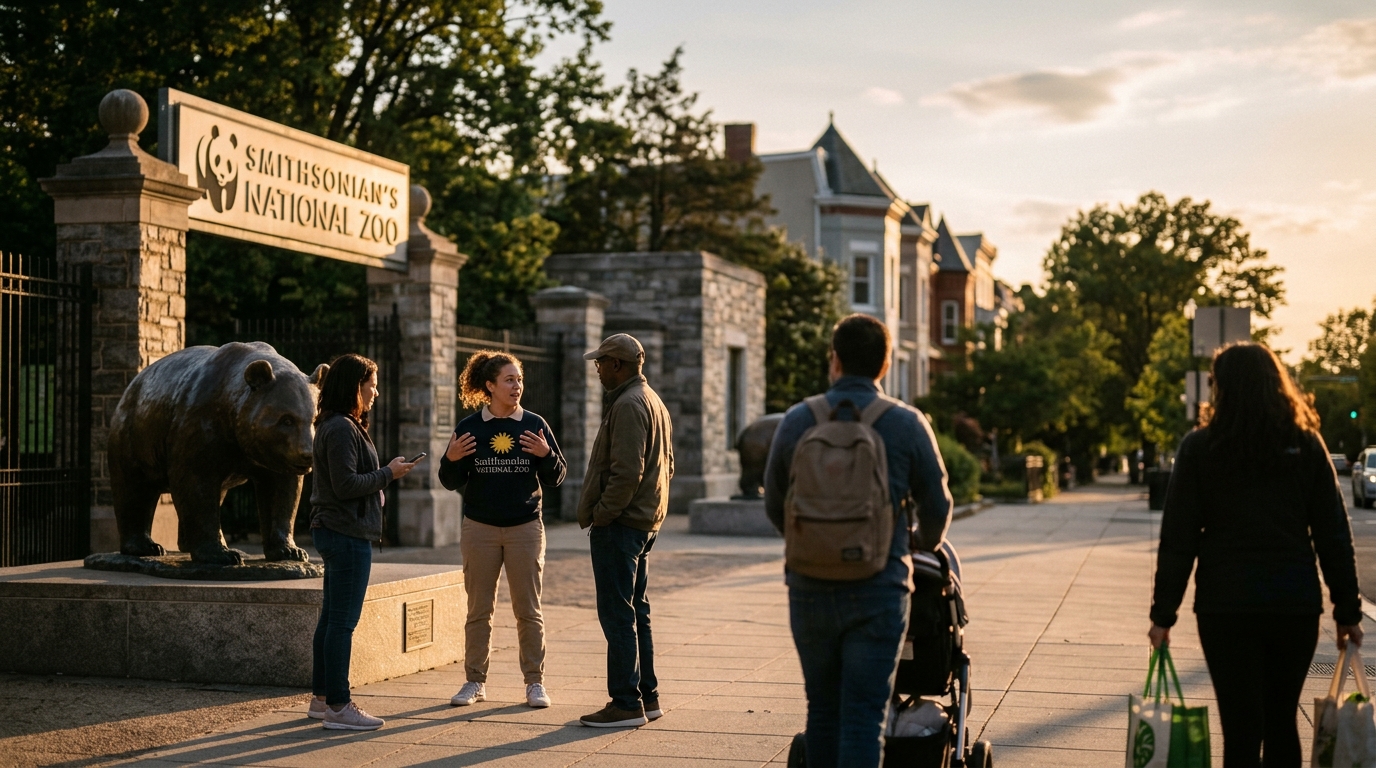
A Legacy of Black and White
The National Zoo's relationship with giant pandas dates back to 1972, when Ling-Ling and Hsing-Hsing arrived as a gift from China following President Richard Nixon's historic visit. Their arrival sparked "panda-mania" and established a precedent for cultural exchange and scientific collaboration that continues to this day. These charismatic bears became instant celebrities, drawing massive crowds and inspiring generations to care about wildlife conservation. Over the years, the zoo has been home to several beloved pandas, including the famous breeding pair Mei Xiang and Tian Tian, and their cub, Xiao Qi Ji. Each birth was celebrated as a triumph, not just for the zoo, but for the global effort to save an endangered species. These pandas weren't just exhibits; they were living symbols of hope and international cooperation, showcasing the delicate balance between diplomacy and conservation. The zoo's commitment to the species involves extensive research into panda biology, behavior, and reproduction, contributing significantly to global understanding.The Director's Vision for Conservation
Leading an institution like the National Zoo involves navigating complex scientific, diplomatic, and public relations landscapes. The director's role in discussions about the panda program is particularly crucial. These "all things panda" conversations typically encompass the health and well-being of the animals, the success of breeding programs, the terms of the loan agreements with China, and the future direction of conservation efforts. The National Zoo, part of the Smithsonian Institution, prides itself on its dual mission of exhibition and conservation. The director's insights would touch upon how the panda program aligns with broader goals, such as combating habitat loss, understanding climate change impacts, and fostering international partnerships. These partnerships are vital for species like the giant panda, which require coordinated global strategies for their survival in the wild.What "All Things Panda" Means for the DMV
For residents across Washington, D.C., Arlington, Fairfax, and Montgomery County, the panda program isn't just a distant conservation effort; it's a deeply personal experience. Generations have grown up visiting the pandas, celebrating their birthdays, and mourning their departures. Any discussion from the director about the program's future directly impacts local families, schools, and tourism. The potential for new pandas, or the continuation of research and conservation efforts, shapes the zoo's identity and its appeal as a free, accessible cultural institution in the nation's capital. Local businesses, especially those near the zoo, also feel the ripple effect of increased visitor traffic spurred by panda popularity. The zoo's long-standing relationship with China through the panda program also highlights D.C.'s unique role as a center for international diplomacy and cultural exchange. You can learn more about the zoo's history and programs on their official website: nationalzoo.si.edu.Looking Ahead in Rock Creek Park
The director's Q&A signals an ongoing commitment to transparency and public engagement regarding one of the zoo's most cherished assets. While the specific details of the conversation were not released beyond the broad topic, the very act of discussing "all things panda" underscores the program's enduring importance. As the National Zoo continues its vital work in conservation and education, DMV residents will undoubtedly remain eager for updates on the future of their beloved black-and-white neighbors. Keep an eye on the zoo's official channels and local news outlets for any announcements regarding new developments in the panda program.📍 Local Resources
Visit the National Zoo to see its diverse animal collection and learn about conservation efforts. Free admission, located in Rock Creek Park.
Support the zoo's mission through membership, donations, and volunteer opportunities. FONZ helps fund conservation, education, and animal care.
Explore more on this topic
Related Stories

New Federal Rules Spark Fear Among Maryland SNAP and Medicaid Recipients
New federal work requirements under the "One Big Beautiful Bill" are creating fear among Maryland's SNAP and Medicaid recipients, including those in the DMV, potentially forcing difficult choices between food and other essentials for working families.

Marymount University's First Hispanic President Shares a Story of Persistence in Arlington

Fairfax County Seniors Offer Mixed Reviews on Life and Retirement in New Survey
A new survey reveals Fairfax County seniors generally like living in the area but give it lower marks as an ideal place to retire. The findings, presented this week, highlight a critical distinction for county planners.