Harborplace Developer Opts Out of Formal Downtown Tax Break Application in Baltimore
Share this article
The Mechanics of Urban Development Incentives
To understand the significance of a developer not applying for a tax break, it's helpful to grasp how these incentives typically work. Cities like Baltimore often employ tools such as Tax Increment Financing (TIFs) or Payment In Lieu of Taxes (PILOTs) to encourage development in areas deemed vital for economic growth. A TIF, for instance, allows a developer to use future property tax revenues generated by the new development to pay for certain project costs, essentially freezing the taxable value of the property at its pre-development level for a set period. The "increment" in taxes from the increased property value then helps fund infrastructure or other project expenses. Similarly, PILOTs allow a developer to pay a fixed annual amount to the city instead of traditional property taxes, often lower than the full tax liability, for a specified term. These mechanisms are designed to bridge financial gaps, particularly for projects that might be too costly or risky to undertake with private capital alone. They can help fund essential public infrastructure, such as new roads, utility upgrades, or public parks, which are integral to a large-scale development's success. The city's Department of Planning typically plays a crucial role in evaluating such proposals, ensuring they align with Baltimore's broader master plans and development goals.Harborplace: A Linchpin for Baltimore's Future
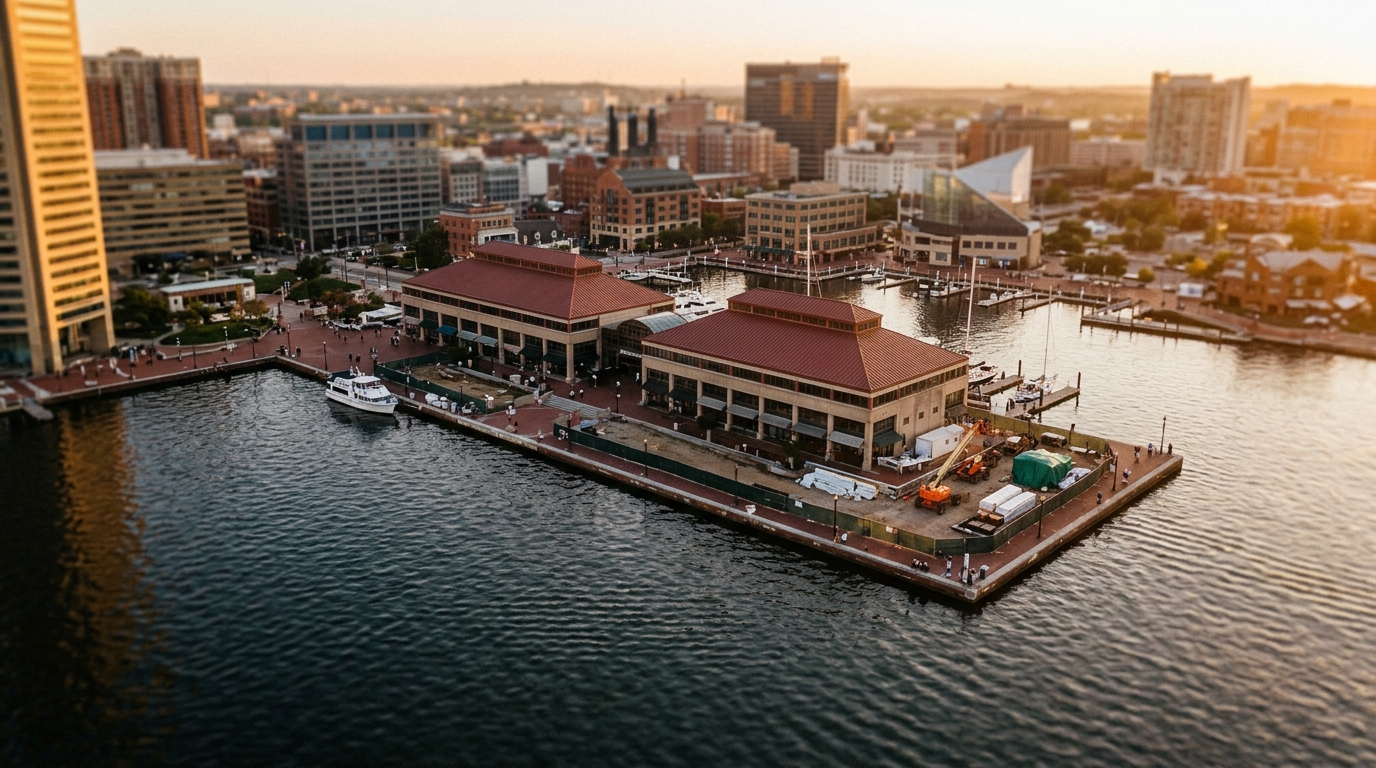
The revitalization of Harborplace isn't just another building project; it's seen as a pivotal moment for Baltimore's downtown core. Since its opening in 1980, Harborplace has been a symbol of Baltimore's renaissance, drawing millions of visitors and locals alike. However, in recent years, the pavilions have struggled with vacancies and declining foot traffic, reflecting broader challenges faced by urban retail centers nationwide. The proposed redevelopment aims to transform the site into a vibrant, mixed-use destination that reconnects the city with its waterfront, drawing on public input and architectural vision. The sheer scale and potential impact of the Harborplace project mean that its financial underpinnings are of paramount interest to residents, businesses, and city officials. A project of this magnitude typically involves hundreds of millions of dollars in investment, making any public contribution or tax relief a subject of intense public and political debate. The developer's decision, or simply the lack of action, regarding a formal tax break application suggests a potentially different strategy is at play for securing the necessary funding.What "Never Formally Applied" Might Mean
The absence of a formal application for a downtown tax break could stem from several possibilities, each with distinct implications. One scenario is that the developer has secured sufficient private financing and doesn't require public subsidies to make the project viable. This would be a strong vote of confidence in the project's financial feasibility and the Baltimore market, potentially easing concerns about taxpayer burden. It could mean the project is moving forward on a more robust, self-sustaining financial model. Another possibility is a strategic decision to avoid the often-contentious public process associated with securing tax incentives. Debates over tax breaks can be lengthy, involve significant public scrutiny, and sometimes lead to delays or modified terms. By not pursuing one, the developer might be aiming for a more streamlined approval process, focusing solely on zoning and environmental permits without the added layer of financial negotiations with the city council or other bodies. The Baltimore City Council is often the body responsible for approving such major financial agreements, and sidestepping this process could simplify the path forward. It's also plausible that the developer weighed the benefits of a tax break against the potential public relations challenges or specific conditions that might be attached to such an incentive. Public sentiment around large corporations receiving tax abatements can be mixed, with some viewing them as essential for urban growth and others as giveaways that divert funds from critical public services. By not applying, the developer might be seeking to cultivate goodwill and demonstrate a commitment to the city that isn't contingent on public subsidies.Implications for Baltimore City and its Residents
For the City of Baltimore, the developer's approach to financing the Harborplace redevelopment without a formal tax break application has several key implications. On one hand, it means that the city would not be foregoing potential property tax revenue that would typically be abated or redirected through a TIF or PILOT. This could translate to more funds available for city services, schools, and infrastructure improvements, which is always a pressing need. Taxpayers might view this as a positive outcome, signaling that a major development can proceed without direct financial concessions from the public. On the other hand, a lack of public incentives could, in some cases, lead to a slower pace of development or changes in the project's scope if financing becomes more challenging without that public boost. However, given the developer's apparent progress and continued commitment, this seems less likely in this specific instance. The city's Baltimore Development Corporation, which spearheads economic development, would typically be involved in these discussions, and their continued support for the project indicates confidence in its overall trajectory. Ultimately, this situation prompts questions about future development strategies in Baltimore. If a project of Harborplace's scale can move forward without formal tax abatements, it could set a precedent for how the city approaches other large-scale redevelopments. It might encourage a focus on projects that are financially robust enough to stand on their own or push for more creative, less controversial forms of public support if needed.What's Next for Harborplace and Baltimore's Waterfront?
The redevelopment of Harborplace remains a critical undertaking for downtown Baltimore. While the absence of a formal tax break application clarifies one aspect of its financing, the project still faces numerous stages of planning, permitting, and construction. Residents and stakeholders will be watching closely as designs are finalized, construction begins, and the vision for a revitalized Inner Harbor takes shape. This shift in financial strategy, or rather the confirmation of a path without specific tax incentives, underscores the complex interplay between private development, public policy, and community expectations. It reinforces the idea that urban revitalization can take many forms, and not all major projects require the same public financial tools. For Baltimore, it means a significant piece of its future might be built with a different financial foundation than many had anticipated, potentially offering a clearer path to full tax revenue once the project is complete. Baltimore residents should continue to engage with the city's planning processes and stay informed about the Harborplace project's progress. Details regarding public access, new amenities, and economic impacts will emerge as the development moves forward, shaping the future of the city's most iconic waterfront destination.📍 Local Resources
Provides information on city planning initiatives, master plans, and development projects.
Baltimore's economic development agency, facilitating investment and job creation.
A non-emergency service request line for city information and services.
Explore more on this topic
Related Stories

Rep. Spanberger Announces $1.3 Million Boost for Virginia Nursing Students
U.S. Representative Abigail Spanberger has announced $1.3 million in scholarships and incentives for nursing students in Virginia, a critical boost for the state's healthcare workforce facing persistent shortages. This funding aims to make nursing education more accessible and encourage more professionals to serve in local hospitals and clinics.

Fairfax Leaders Urged by State Legislators to Adopt 'Respectful' Tone in K-12 Funding Talks
State legislators are urging Fairfax County supervisors and school board members to adopt a more "respectful" tone when discussing state funding for K-12 education, highlighting frustrations over current rhetoric.

DC Council Passes New Parking Enforcement Bill: What It Means for Washingtonians
The D.C. Council has passed a new parking enforcement bill, signaling potential changes for drivers, businesses, and residents across the District. This legislative action aims to refine how the city manages its curb space, impacting everything from traffic flow and safety to daily commutes and local commerce. Washingtonians should prepare for possible adjustments to fines, enforcement zones, and the overall parking landscape.