Marylanders Across the State, Including DMV, Reject Data Centers, UMBC Poll Finds
Share this article

A Clear Message from Marylanders
The core takeaway from the UMBC poll is unambiguous: Marylanders do not want data centers built near them, nor do they support their construction elsewhere in the state. This suggests a widespread concern that transcends the typical "not in my backyard" (NIMBY) phenomenon, pointing to a broader apprehension about these facilities. While specific details of the poll's methodology or precise percentages were not immediately available, the headline itself underscores a strong, negative public perception. The poll's focus on both local and statewide sentiment highlights a crucial point for policymakers. It's not merely about proximity; it's about a collective understanding of the broader implications that data centers bring, regardless of their exact location. This kind of unified public opinion can exert considerable pressure on legislative bodies and planning commissions tasked with balancing economic growth with community well-being.The Growing Debate Over Data Centers
Data centers are the backbone of our digital lives, housing the servers and infrastructure that power everything from streaming services to cloud computing. However, their proliferation has sparked intense debate in communities nationwide, and Maryland is no exception. These facilities are enormous, often sprawling across hundreds of acres, requiring vast amounts of land that could otherwise be used for housing, open space, or other commercial developments. Beyond land use, data centers are notorious for their substantial environmental footprint. They are incredibly energy-intensive, consuming massive quantities of electricity to power servers and cool the equipment. This demand often strains local power grids and can contribute to increased carbon emissions, depending on the energy sources. Furthermore, many data centers utilize significant amounts of water for cooling, raising concerns about water scarcity and local water supplies. The noise generated by cooling towers and backup generators can also be a persistent nuisance for nearby residents.What This Means for DMV Communities
For residents in Maryland's DMV counties like Montgomery and Frederick, this poll carries significant weight. Both counties have wrestled with development pressures and the need to balance growth with environmental stewardship and quality of life. The poll indicates that the public is increasingly attuned to the trade-offs involved with welcoming data centers. Local elected officials and planning boards in these counties will likely take note of such clear public sentiment. Decisions regarding zoning changes, infrastructure investments, and environmental permits for potential data center sites could become even more contentious. Community groups and environmental advocates now have robust polling data to bolster their arguments against new data center construction, providing a unified voice that elected representatives will find difficult to ignore. This could slow down or even halt projects that do not align with community desires, pushing developers to seek alternative locations or more sustainable designs.Looking Ahead: Public Opinion and Policy
The UMBC poll results are more than just a snapshot of public opinion; they're a potential harbinger of future policy shifts. As the digital economy continues to grow, so too will the demand for data centers. However, this poll suggests that Maryland's residents are not willing to accept their expansion without question. State and local governments will need to consider these concerns carefully as they formulate economic development strategies and land-use plans. This public sentiment could spur discussions around stricter environmental regulations for data centers, incentives for green energy solutions, or even moratoriums on new construction in certain areas. It also highlights the importance of transparent communication between developers, local governments, and communities about the true costs and benefits of these facilities. Moving forward, residents should pay close attention to local planning meetings and state legislative debates concerning infrastructure and energy policy, as the influence of this poll's findings is likely to be felt for some time. The conversation around data centers in Maryland has just gotten louder, and the publicExplore more on this topic
Related Stories
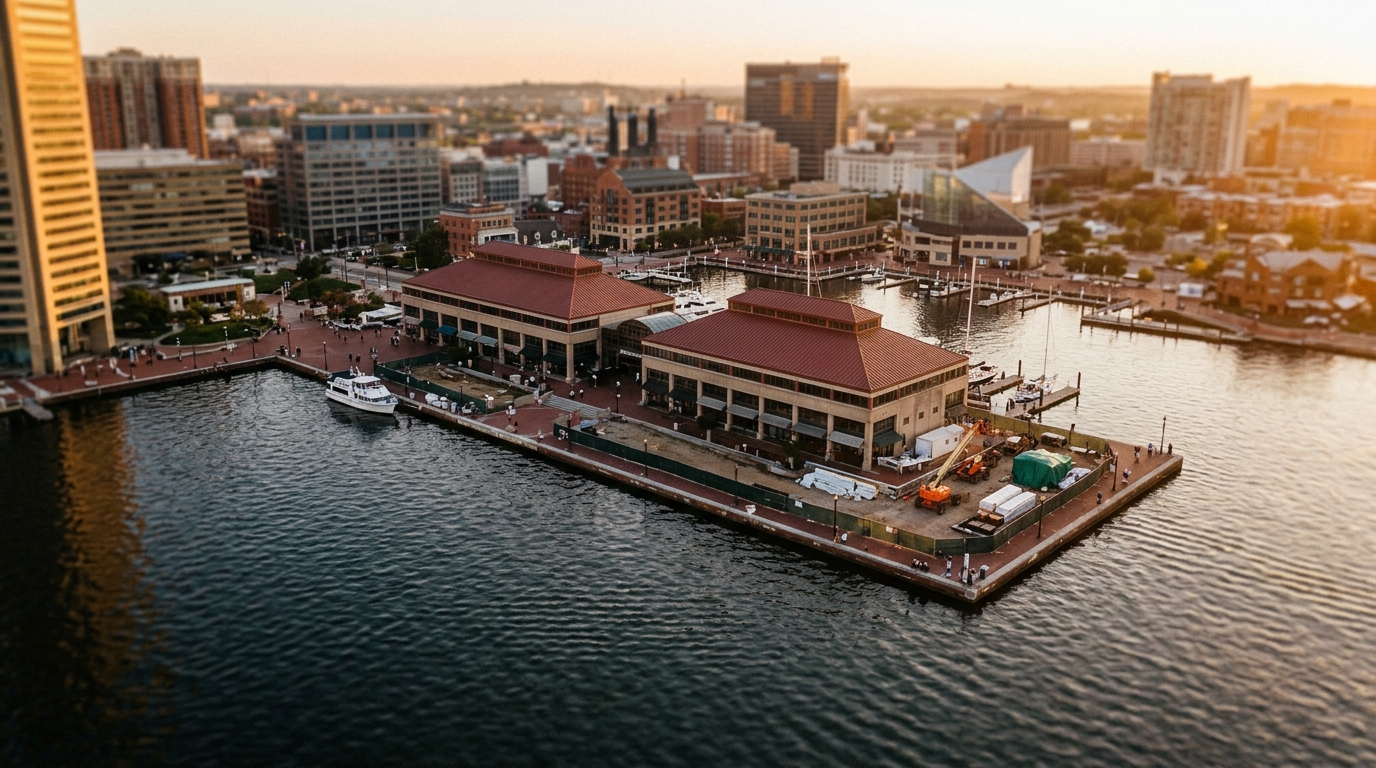
Harborplace Developer Opts Out of Formal Downtown Tax Break Application in Baltimore
The developer behind the major Harborplace redevelopment in Baltimore never formally applied for a downtown tax break, signaling a potentially different financial approach for the iconic Inner Harbor project. This decision could impact the project's funding structure and the city's strategy for future large-scale developments, with implications for taxpayers and urban revitalization efforts.

Rep. Spanberger Announces $1.3 Million Boost for Virginia Nursing Students
U.S. Representative Abigail Spanberger has announced $1.3 million in scholarships and incentives for nursing students in Virginia, a critical boost for the state's healthcare workforce facing persistent shortages. This funding aims to make nursing education more accessible and encourage more professionals to serve in local hospitals and clinics.

Fairfax Leaders Urged by State Legislators to Adopt 'Respectful' Tone in K-12 Funding Talks
State legislators are urging Fairfax County supervisors and school board members to adopt a more "respectful" tone when discussing state funding for K-12 education, highlighting frustrations over current rhetoric.