Alexandria Apartment Residents Voice Concerns Over AI Parking Cameras
Share this article
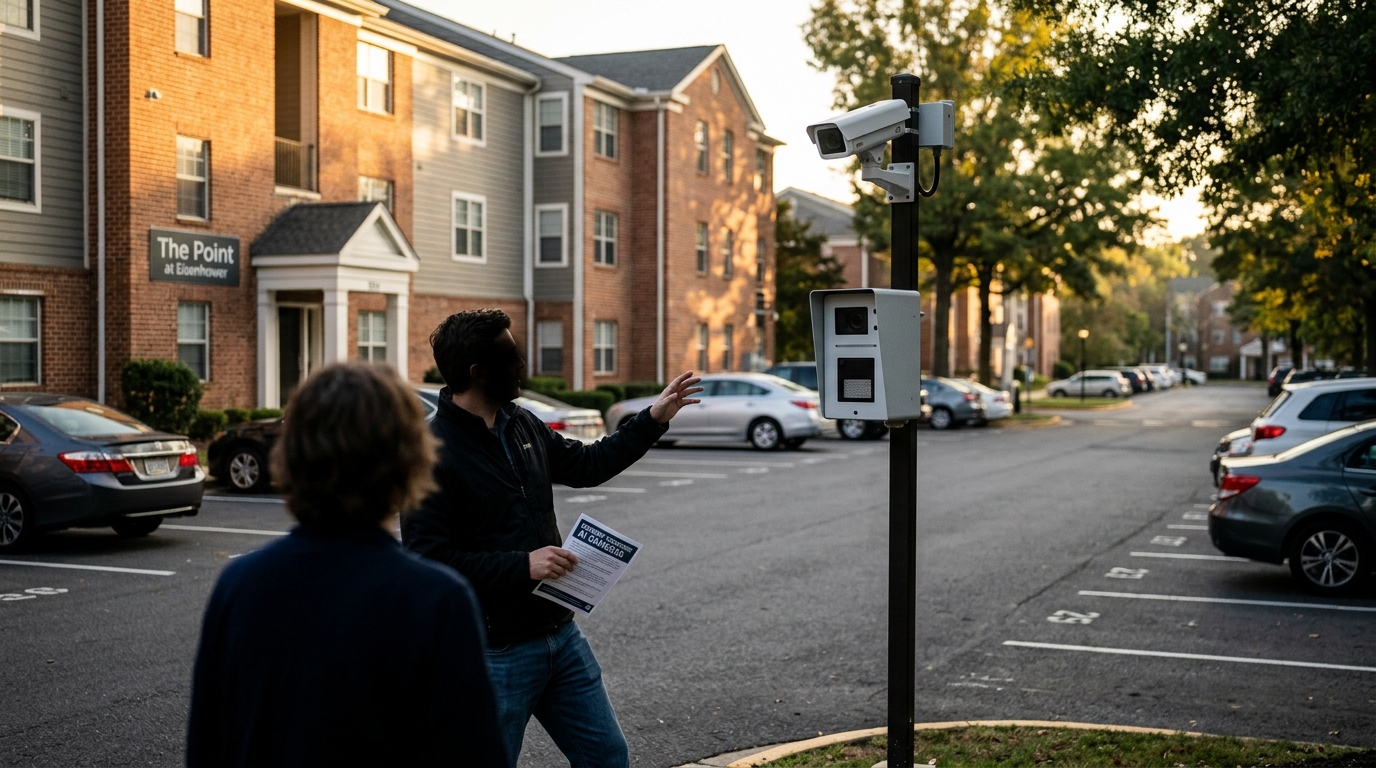
The Rise of Smart Parking Technology
AI parking cameras aren't just your run-of-the-mill security cameras. These sophisticated systems use advanced algorithms to automatically scan and identify license plates, track vehicle movements, and monitor parking durations. They're often marketed as a way to streamline parking enforcement, reduce unauthorized parking, and improve overall security within private communities. Instead of human patrols, these cameras can flag violations instantly, leading to automated alerts or even fines. The technology can create a detailed log of every vehicle entering and exiting the property, noting exactly where and for how long each car is parked [1]. While seemingly efficient, it’s this very capability that forms the crux of residents' objections, transforming a simple act of parking into a monitored event.Privacy in the Digital Age
The primary concern for residents centers squarely on privacy. Imagine knowing that every time you drive into or out of your own home, your vehicle's movements are being logged, analyzed, and stored. This level of continuous surveillance in a residential setting feels intrusive to many. Residents worry about the sheer volume of personal data being collected. Beyond just license plate numbers, these systems can potentially gather data on arrival and departure times, frequency of visits, and even patterns of association (e.g., which cars park near each other). Who owns this data? How long is it stored? Is it shared with third parties? These are critical questions that often go unanswered when such technologies are deployed. The lack of transparency around data policies can erode trust between residents and property management. There's also the potential for mission creep. While initially installed for parking enforcement, the capabilities of AI cameras could theoretically be expanded for other forms of surveillance, leading to a "chilling effect" where residents feel less free to express themselves or engage in certain activities for fear of being monitored. Organizations like the American Civil Liberties Union (ACLU) have long highlighted the dangers of unchecked surveillance technologies, particularly those leveraging AI.Accuracy and Accountability
Another layer of concern stems from the accuracy of AI systems and the potential for errors. Automated systems, while powerful, aren't infallible. Misread license plates, incorrect time stamps, or misidentification of vehicles could lead to wrongful fines or accusations. Resolving such issues can be a bureaucratic nightmare for residents, who might find themselves battling an impersonal automated system rather than a human being. Accountability is also a major point of contention. If a system malfunctions or misidentifies a vehicle, who is responsible? Is it the property management, the technology vendor, or the resident forced to prove their innocence? Clear lines of responsibility and a transparent appeals process are crucial for any system that can issue penalties.What This Means for Alexandria Residents
This situation in an Alexandria apartment community highlights a growing tension across the DMV as "smart city" technologies become more prevalent. While the specific incident is localized, the underlying concerns about privacy, data security, and the ethical deployment of AI are universal. For residents in Alexandria, especially those living in apartment complexes, this incident serves as a stark reminder to understand the technologies being implemented in their communities. It underscores the importance of asking questions, demanding transparency, and advocating for policies that balance security with personal freedoms. The City of Alexandria itself has been exploring various smart city initiatives, and resident feedback on the balance of technology and privacy will undoubtedly play a crucial role in shaping future policies. As technology continues to evolve, so too must the dialogue between citizens, property managers, and local government about how these powerful tools are used responsibly within our communities. Residents who feel their privacy is being infringed upon often find strength in numbers, organizing to voice their collective concerns to property management and, if necessary, to local city officials or privacy advocacy groups.📍 Local Resources
Handles complaints related to property maintenance and code enforcement, which may include issues with community management policies.
Oversees regulations for common interest communities and can investigate complaints against community associations or property managers.
A non-profit organization advocating for digital rights and privacy. While not local, they offer resources and guidance on digital surveillance issues.
Explore more on this topic
Related Stories
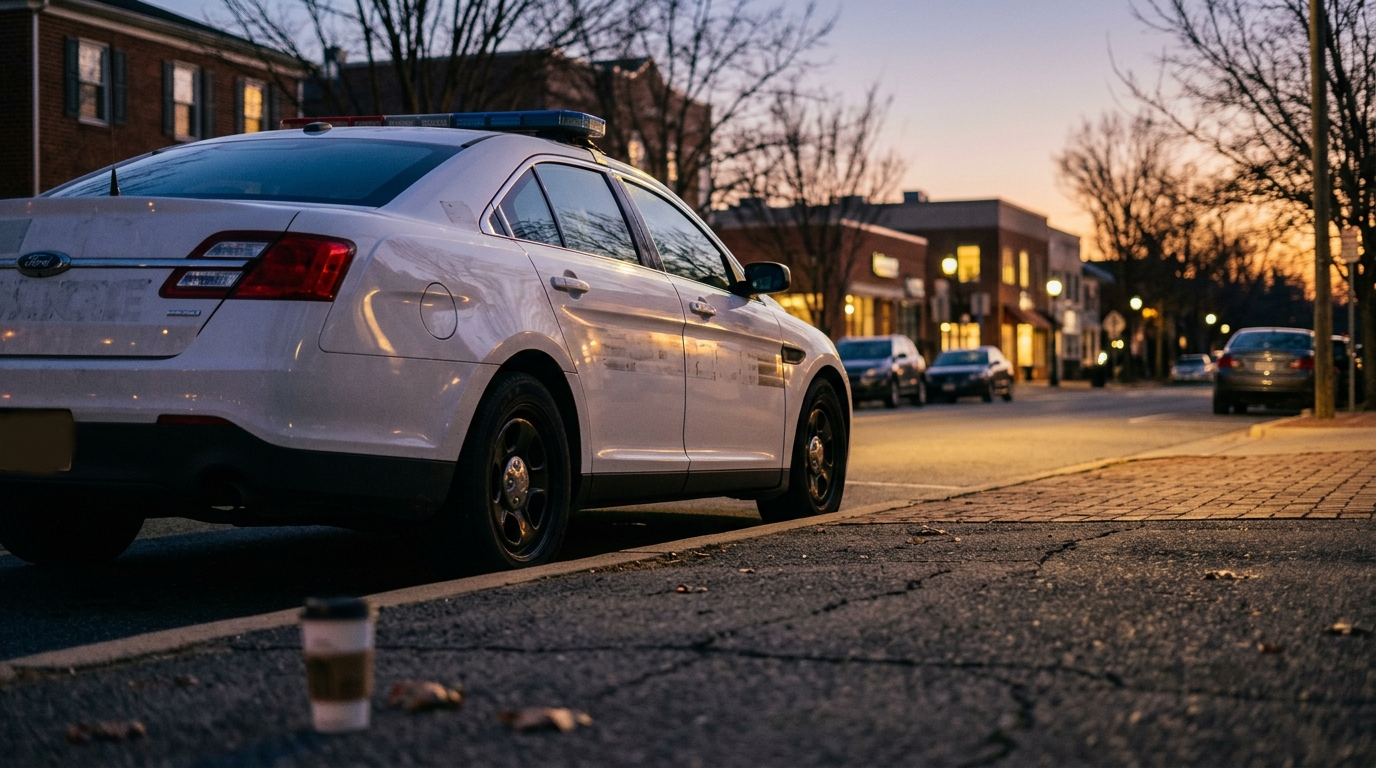
North Bethesda Woman Fined $1,000 for AI Prank That Triggered Police Response
A North Bethesda woman has been ordered to pay $1,000 to police after an AI-generated prank call led to an emergency response, highlighting the real-world consequences of digital deception.
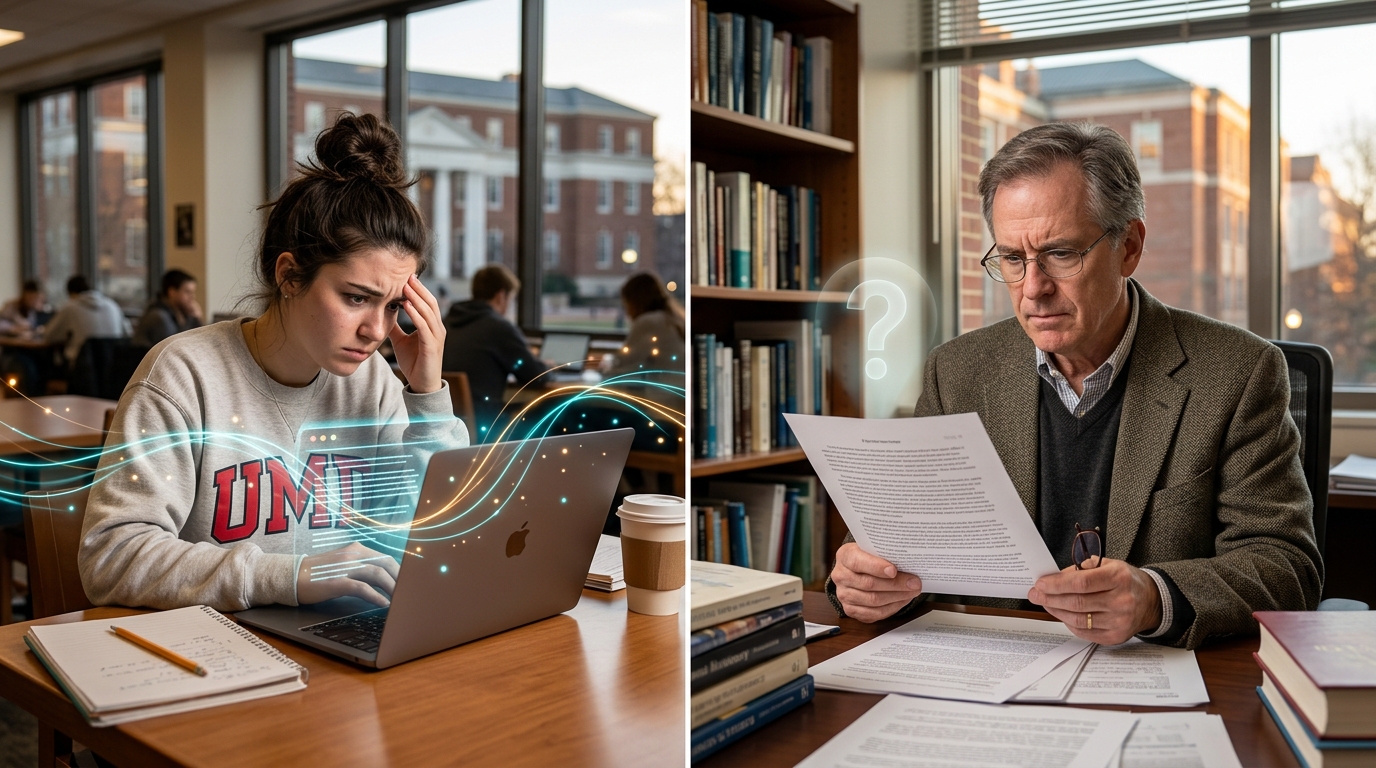
Maryland Campuses Navigate AI Misconduct with Patchwork of Policies
Maryland universities are navigating the complex world of AI misconduct with varied approaches, largely relying on faculty discretion and existing academic integrity policies. This creates a patchwork of rules across campuses, leaving students and educators to adapt as AI tools evolve.

Washington-Liberty High School Taps AI for Clearer Graduation Name Pronunciations
Washington-Liberty High School in Arlington is set to use artificial intelligence to ensure every graduate's name is pronounced clearly and accurately at its June commencement ceremony, aiming for a faster and more inclusive experience.