Northern Virginia Judge Orders Social Media Ban Ahead of Mamta Bhatt Murder Trial Jury Selection
Share this article
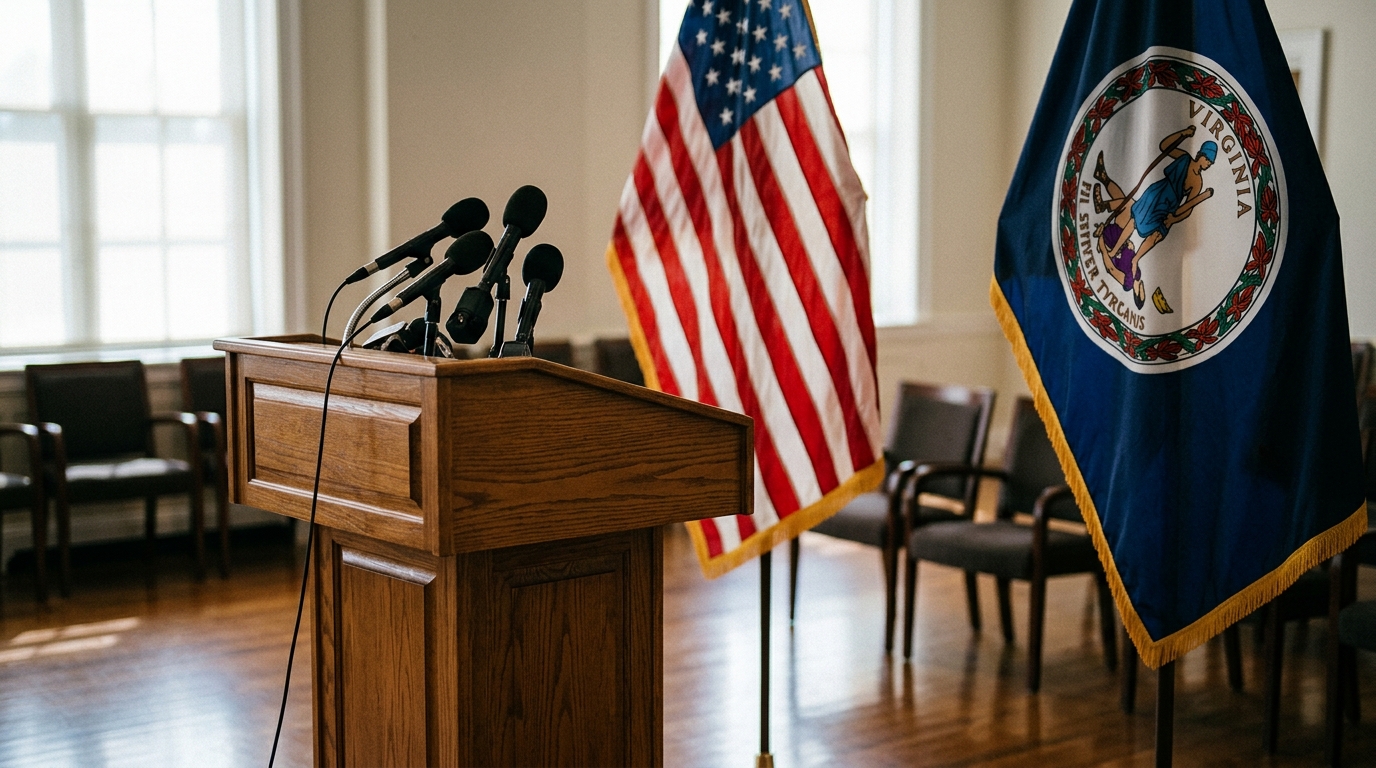
Safeguarding Impartiality in a Digital World
The judge's order isn't just a formality; it reflects a growing concern within the legal community about the challenges social media presents to the Sixth Amendment right to a fair trial. In an age where nearly everyone has a smartphone and an online presence, the potential for jurors to be exposed to outside information—or to share their own thoughts—before or during a trial is immense. This can include everything from news reports and commentary from friends to potentially prejudicial details not admitted as evidence in court. Courts across the country have grappled with instances where jurors have conducted their own online research, posted about cases, or even communicated with outside parties, leading to mistrials or lengthy appeals. This Northern Virginia court is clearly moving to get ahead of such issues, setting a clear boundary before a single juror is even sworn in. The goal is simple: ensure that the twelve individuals ultimately chosen to deliberate the fate of Mamta Bhatt will base their decision solely on the evidence presented in the courtroom, free from external pressures or preconceived notions.The Rigors of Jury Selection
Jury selection, or *voir dire*, is already an intricate dance designed to identify and remove individuals who cannot be impartial. Attorneys from both sides ask a series of questions to uncover biases, pre-existing knowledge of the case, or personal experiences that might sway a juror's judgment. In a murder trial, the stakes are incredibly high, demanding the utmost diligence in this process. The addition of a social media ban adds another layer of scrutiny and responsibility for prospective jurors. They aren't just asked to be honest about their biases; they're also being asked to actively disengage from the digital sphere concerning the case. This means refraining from searching for information about Mamta Bhatt, the alleged crime, or anyone involved in the trial. It also means resisting the urge to post comments, share opinions, or engage in discussions about the case online, even among private groups. This proactive measure helps ensure that when potential jurors step into the courtroom for *voir dire*, their minds are as close to a blank slate as possible regarding the specifics of the trial. It reinforces the principle that justice should be blind, not swayed by the trending topics of the day or the echo chambers of social media. The Virginia judicial system, like many others, recognizes that while technology has brought unprecedented access to information, it also demands new safeguards to protect fundamental legal rights. More information on Virginia's jury service can be found on the Virginia Judicial System website.Why Such Orders Are Increasingly Necessary
The proliferation of smartphones and ubiquitous internet access means that jurors, intentionally or not, can stumble upon case-related content with minimal effort. A quick search, a shared news article, or even an algorithmically suggested post can expose them to information that hasn't been vetted by the court, potentially violating rules of evidence or due process. Such judicial orders are not unique to Northern Virginia. Courts nationwide are increasingly issuing similar directives, often accompanied by stern warnings about the consequences of non-compliance, which can range from being dismissed from jury duty to facing contempt of court charges. These measures are a testament to the legal system's adaptation to the digital age, striving to uphold the sanctity of the courtroom in a world that is constantly connected. The U.S. Courts provide general guidelines on juror qualifications and expectations, emphasizing impartiality.Impact on Northern Virginia Residents
For residents across Northern Virginia, this judge's order serves as a crucial reminder of the civic responsibility involved in jury service, especially in serious criminal cases. If you're called for jury duty, particularly in a high-profile trial like the Mamta Bhatt murder case, the expectation of impartiality extends beyond the courthouse doors and into your digital life. It means being acutely aware of what you consume and share online concerning the trial. This vigilance is essential for the justice system to function properly and for individuals like Mamta Bhatt to receive a fair hearing. The local community's cooperation with such directives is vital for maintaining public trust in the judicial process in Virginia. Those interested in the court's operations can often find public information through the Fairfax County Circuit Court, where many Northern Virginia cases are heard. The upcoming trial will test not only the evidence presented but also the ability of the court system to effectively manage the challenges of modern communication. As jury selection nears, the emphasis on a clean, unbiased slate for potential jurors remains the cornerstone of a just legal process, ensuring that the wheels of justice turn fairly, even in the face of constant online noise.📍 Local Resources
Provides financial assistance to victims of crime for medical expenses, mental health counseling, and lost wages.
Offers support, advocacy, and information to victims of crime within Fairfax County, including court accompaniment and resource referrals.
Provides free legal assistance to low-income individuals and families, including support for navigating the court system.
Explore more on this topic
Related Stories

Murder Trial Begins for Stricker Street Fire That Killed Three Baltimore Firefighters
A murder trial has officially begun in Baltimore for the devastating Stricker Street fire that tragically killed three city firefighters. The proceedings mark a critical step toward accountability for a loss that deeply impacted the community and its dedicated first responders.
Supreme Court Declines Marilyn Mosby's Appeal, Upholding Conviction in Perjury and Fraud Case
The U.S. Supreme Court has declined to hear the appeal of former Baltimore State’s Attorney Marilyn Mosby in her perjury and fraud case, marking a significant moment for accountability among public officials in Maryland and the broader DMV region.
Hains Point Community Rallies as Lawsuit Sees Amendment in Washington, DC
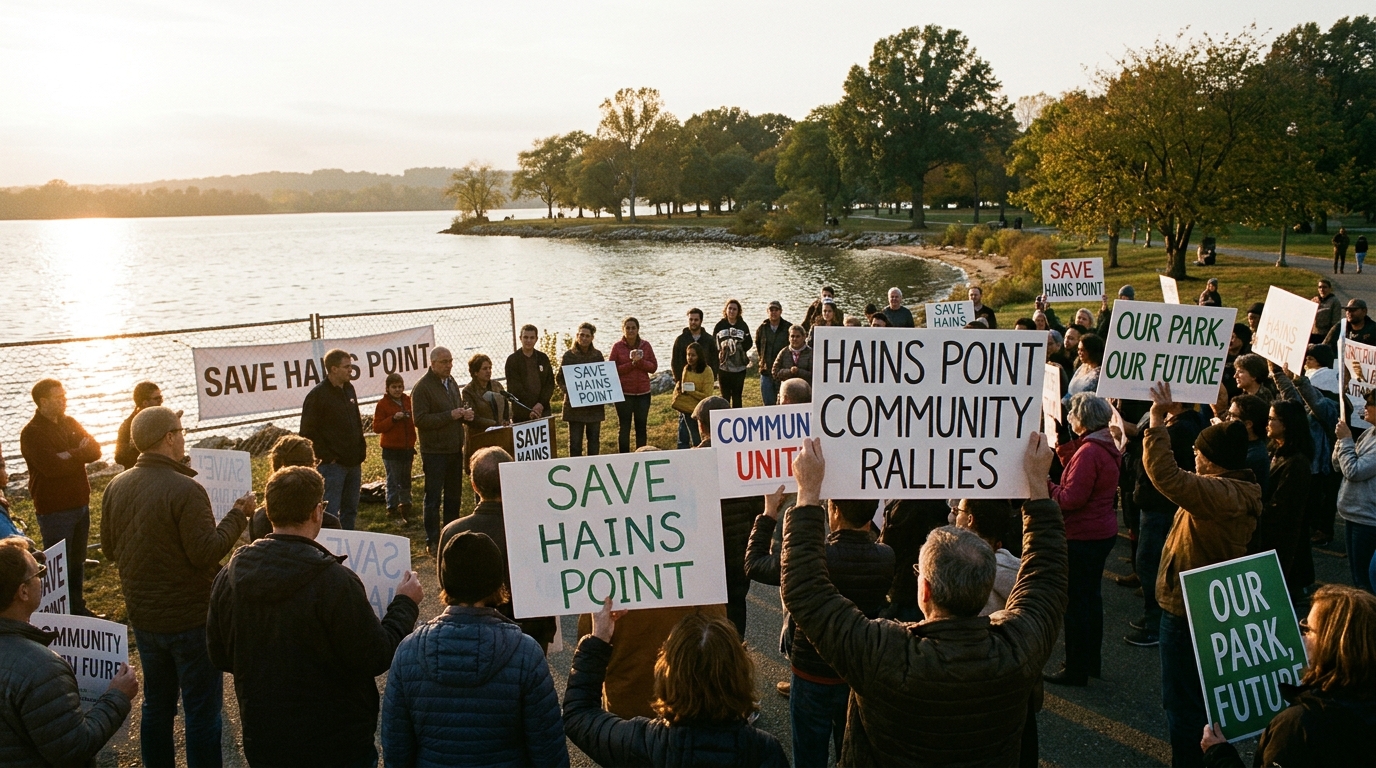
Community members in Washington, DC, have rallied to "save Hains Point," leading to a lawsuit related to the beloved park being amended to address their concerns. This development highlights the powerful impact of local advocacy on the future of the District's public spaces.