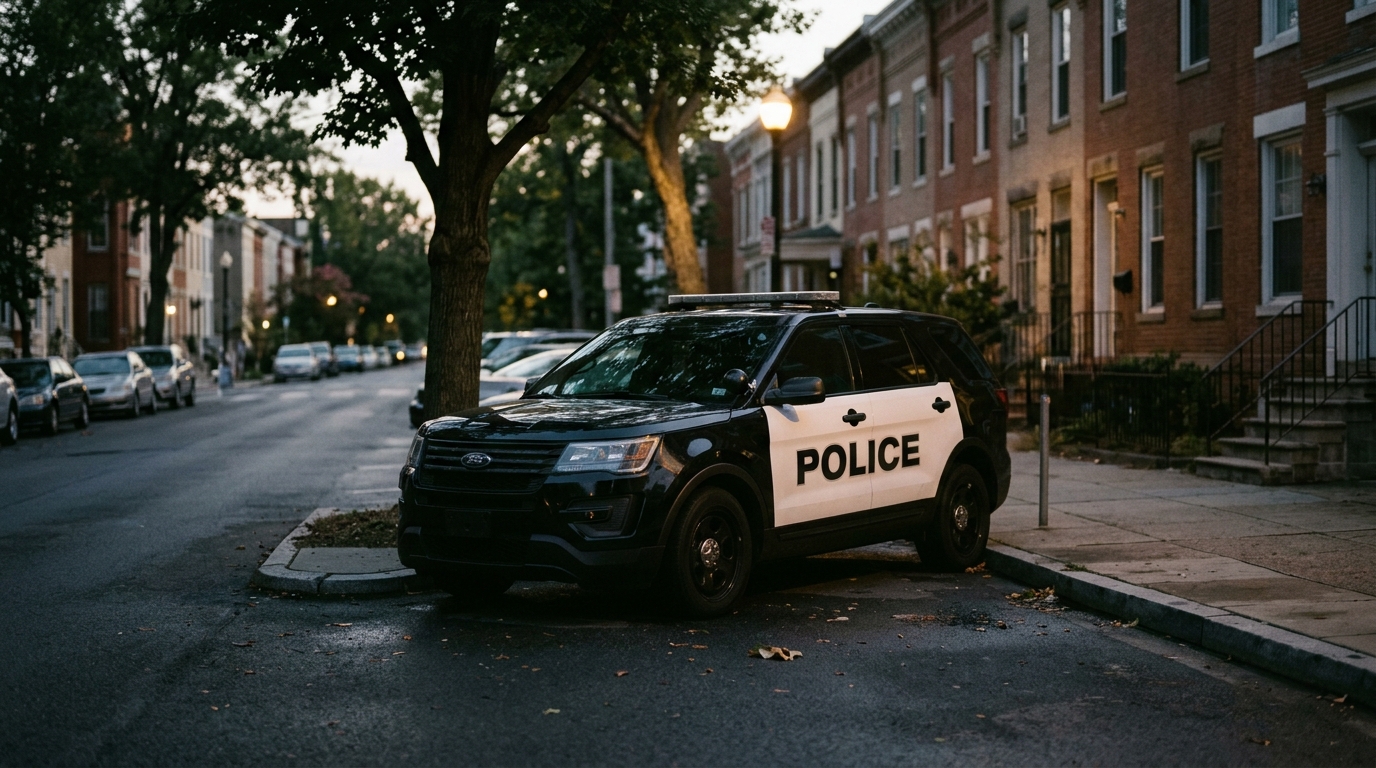
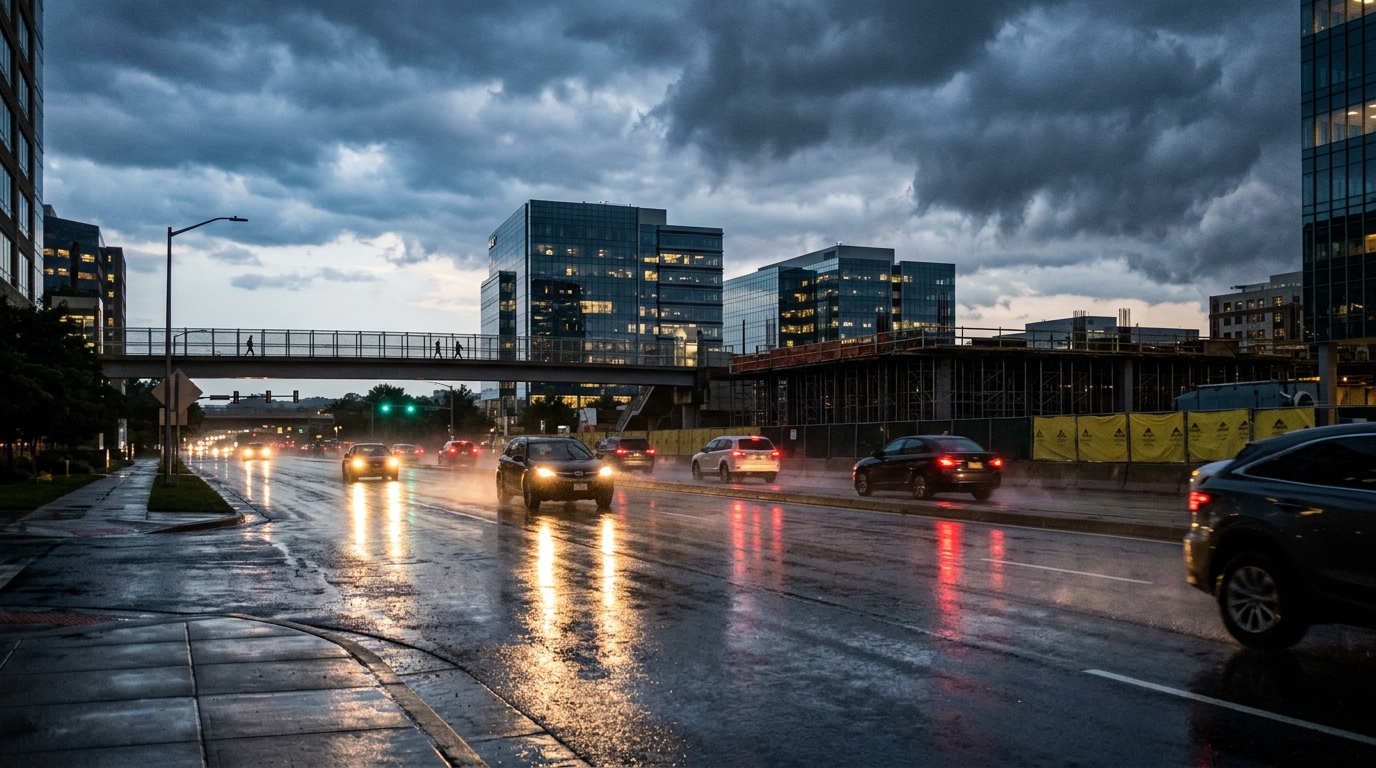
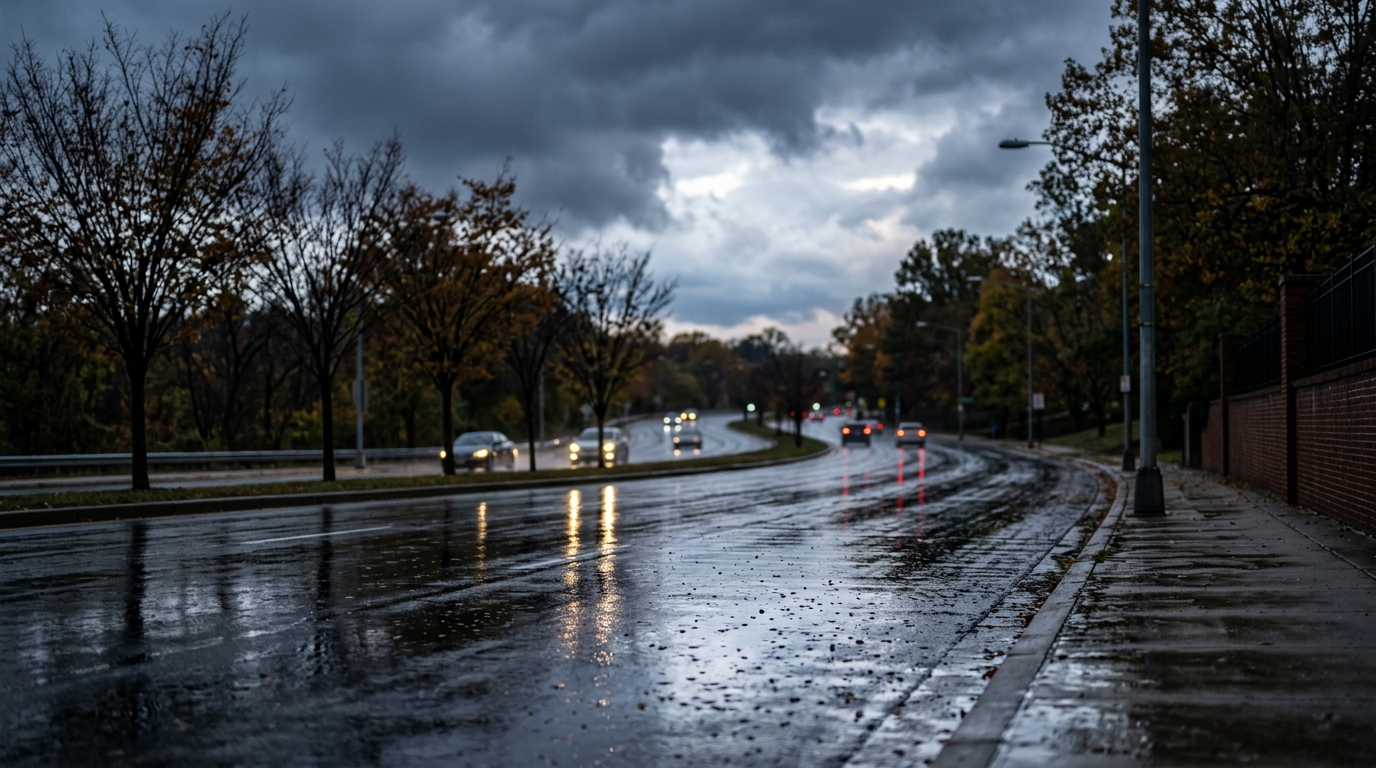
A somber quiet fell over a section of the Capital Beltway recently as emergency crews responded to a harrowing incident that left one person dead and another injured. The crash, which occurred on the bustling Interstate 495, underscores the ever-present dangers on one of the DMV's most critical and heavily trafficked arteries. Details remain sparse as authorities piece together the events, but Maryland State Police confirmed the fatality and injury following the collision. For thousands of daily commuters and travelers navigating the region, such incidents are a stark reminder of the fragility of life and the immediate, widespread ripple effects that can paralyze local transportation networks. ## The Beltway's Unrelenting Flow and Sudden Halt The Capital Beltway, officially Interstate 495, isn't just a road; it's the circulatory system of the Washington metropolitan area. It's a 64-mile loop that encircles Washington, D.C., connecting communities across Maryland and Virginia. On any given day, hundreds of thousands of vehicles traverse its lanes, carrying commuters to work, goods to markets, and families to destinations. Its constant motion is the lifeblood of the DMV economy and daily routine. When a serious crash occurs, especially one involving fatalities, that relentless flow comes to an abrupt and often prolonged halt. The incident, which police confirmed involved at least one fatality and one injury
[1], immediately triggers a multi-agency response. Maryland State Police take the lead on investigations within the Maryland portions of the Beltway, while local fire and rescue teams from counties like Montgomery or Prince George's (though we don't cover PG County, its responders are often first on scene) rush to provide aid. ## Immediate Response and Investigation Challenges Upon receiving reports of a serious collision, emergency dispatchers quickly mobilize resources. Ambulances, fire trucks, and police cruisers converge on the scene. The primary goals are immediate: secure the area, provide medical assistance to the injured, and ensure the safety of first responders and other motorists. This often means shutting down lanes, or even entire sections, of the highway, rerouting traffic, and creating significant backups that can stretch for miles and last for hours. For Maryland State Police, a fatal crash initiates a thorough and meticulous investigation. Troopers trained in accident reconstruction descend upon the scene, meticulously documenting every detail. They'll measure skid marks, photograph vehicle positions, collect debris, and interview witnesses. The goal is to determine the sequence of events, identify contributing factors such, as speed, distraction, impairment, or mechanical failure, and ultimately, understand what led to such a tragic outcome. This process is complex and time-consuming, requiring significant resources and often prolonging road closures.
The Capital Beltway sees an average daily traffic volume exceeding 200,000 vehicles in many sections, making it one of the busiest corridors in the nation.
## Broader Implications for DMV Commuters While the immediate tragedy is the loss of life and the injury sustained, the wider community feels the impact through traffic disruptions. A major incident on the Beltway affects everyone from Arlington to Rockville, and beyond. Commuters relying on I-495 for their daily journeys face unexpected delays, missed appointments, and the frustration of gridlock. Alternative routes quickly become overwhelmed, turning typically short trips into hours-long ordeals. The Maryland Department of Transportation State Highway Administration (
MDOT SHA) and the Virginia Department of Transportation (
VDOT) work tirelessly to keep drivers informed through message boards, traffic apps, and their websites. However, the sheer volume of traffic means that even minor incidents can have outsized effects, and a fatal crash is a guaranteed regional choke point. ## The Persistent Challenge of Beltway Safety Fatal crashes on the Capital Beltway serve as grim reminders of the inherent risks of highway driving, especially on such a high-speed, high-volume road. Factors like distracted driving, speeding, aggressive maneuvers, and impaired driving contribute to a significant number of collisions each year. Authorities continually emphasize safe driving practices, but the challenge persists. Agencies like the
Virginia Highway Safety Office and the
Maryland Highway Safety Office run public awareness campaigns aimed at reducing traffic fatalities. These efforts focus on everything from seatbelt usage to avoiding cell phone use behind the wheel. Yet, even with these initiatives, the Beltway's complex interchanges and fast-paced environment mean that accidents, some of them catastrophic, remain a tragic reality. ## A Call for Vigilance on Our Roads This latest incident is a stark reminder for all DMV drivers to exercise extreme caution when navigating the Capital Beltway and other local roadways. Every decision behind the wheel has consequences, and vigilance can be the difference between a safe journey and a devastating one. As the investigation into this particular crash continues, the community mourns the loss and hopes for the recovery of the injured. Drivers should always stay informed about traffic conditions through local news and official transportation department channels, especially before heading out during peak hours. Beyond staying informed, the most crucial step is to practice defensive driving, eliminate distractions, and respect speed limits and fellow motorists. Our collective safety on the Capital Beltway depends on it.
📍 Local Resources
Maryland State Police (MSP) Non-Emergency
For non-emergency inquiries related to traffic incidents or general police services on Maryland roads.
📍 Location: Various barrack locations across Maryland, including College Park and Rockville.
MDOT SHA Traffic Advisories
Real-time traffic information, road closures, and incident alerts for state highways in Maryland, including the Capital Beltway.
🕐 Hours: 24/7 online updates
CrisisLink (24/7 Crisis Hotline for Northern Virginia)
Confidential support for individuals experiencing emotional distress or trauma, including those affected by traffic incidents.