Metro Proposes Fare Hike Alongside Free Rides for DMV Youth
Share this article
Balancing the Books and Boosting Ridership
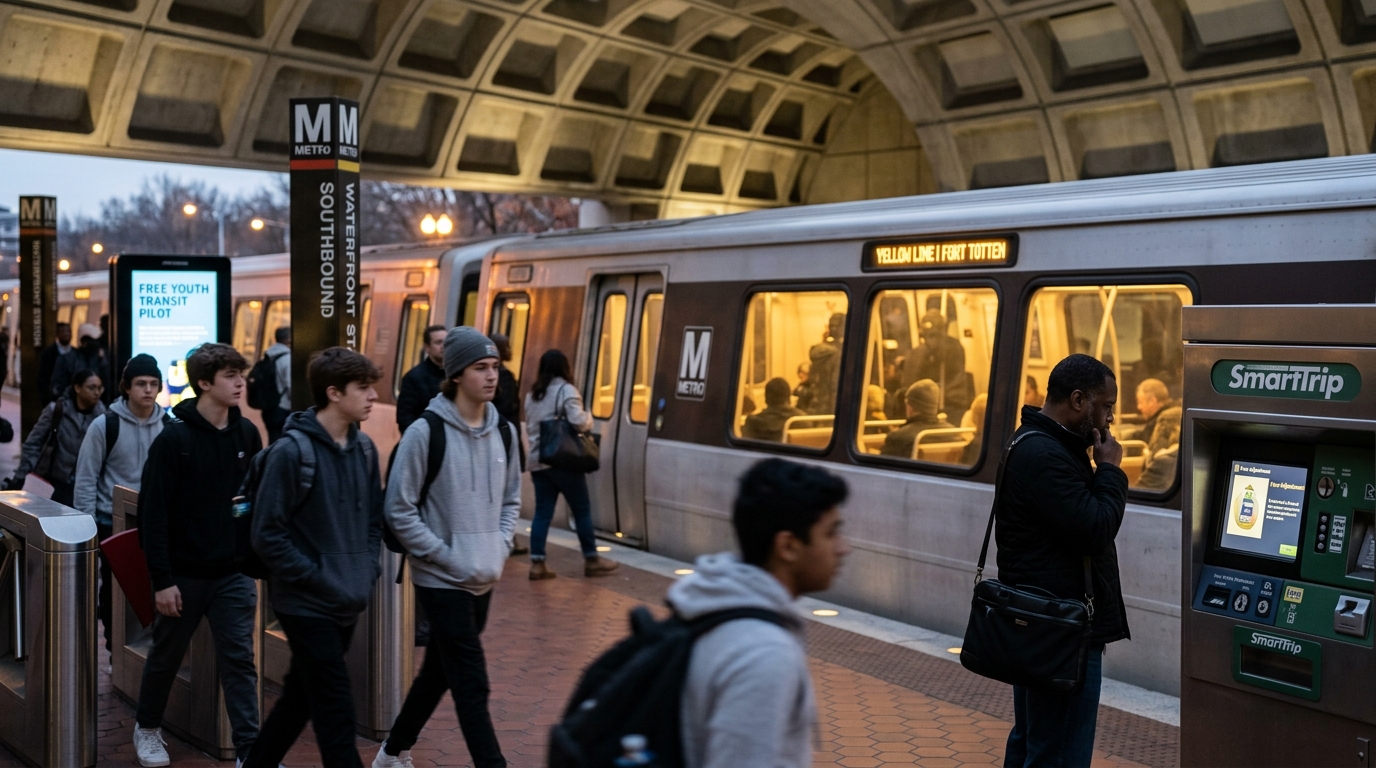
For years, WMATA has grappled with declining ridership trends and escalating operational costs, issues exacerbated by the pandemic's lasting impact on commuting patterns. The proposed fare increase is likely an effort to stabilize the agency's budget, ensuring the long-term viability of a transit system critical to the region's economic and social fabric. While the specifics of the fare hike — which lines, times, or types of fares would see an increase — weren't detailed in the initial report [1], any increase would undoubtedly impact the wallets of daily commuters who rely on Metrorail and Metrobus.Impact on DMV Residents
The potential changes would ripple across the entire DMV region. For students and their families, particularly those in lower-income households, free Metro access could mean substantial savings and increased independence. Imagine a high schooler in Silver Spring being able to easily get to a part-time job in downtown D.C. or an extracurricular activity in Arlington without worrying about the cost of a SmarTrip card. This could ease financial pressure on parents and open up new possibilities for thousands of young people. However, the flip side is the fare increase for other riders. Commuters from Fairfax County heading into the District for work, or residents in Prince George's County using Metrobus for errands, could see their transportation costs rise. This could be particularly challenging for those already stretching their budgets, potentially forcing some to reconsider their commuting options or absorb the added expense. The proposal sets up a critical conversation about who bears the cost of maintaining and improving essential public services.The Road Ahead for Metro's Proposal
Proposals like these typically undergo a rigorous review process before any final decisions are made. This usually includes public hearings where residents, advocacy groups, and local businesses can voice their opinions and provide feedback. The WMATA Board of Directors would then consider this public input before voting on the final plan. This process ensures that community concerns are heard and factored into the ultimate decision. It's crucial for DMV residents to stay informed and participate in these discussions. The specifics of the fare increase – how much, when, and for whom – as well as the details of the free youth access program – age limits, eligibility requirements, and implementation – will be critical to understanding the full scope of the impact. Metro's financial health is intertwined with the daily lives of millions, and decisions made now will shape the region's transit landscape for years to come.📍 Local Resources
For general inquiries, fare information, and assistance with SmarTrip cards.
Information on local transportation initiatives and public input opportunities within Washington, D.C.
Provides information on statewide transportation plans and public transit resources in Maryland.
Resources and information on public transit options and initiatives across Virginia.
Explore more on this topic
Related Stories
Anne Arundel County Council Debates $5,000 Fine for 'Political' Emails on County Resources
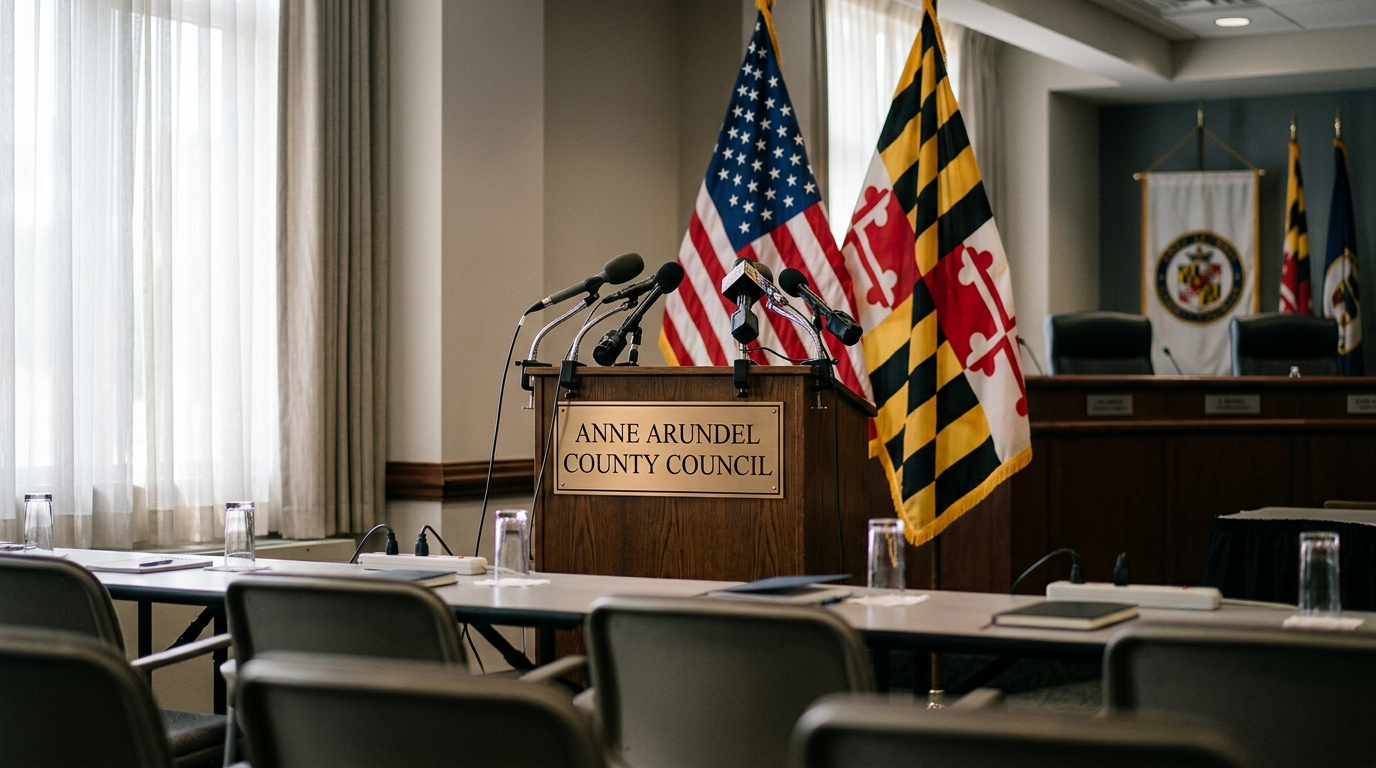
Anne Arundel County Council is debating a proposed ethics bill that could impose a $5,000 fine for using county resources to send "political" emails, sparking concerns over defining political speech and its impact on public communication.
Donald Trump Expected to Visit Baltimore County's Tradepoint Atlantic on Tuesday
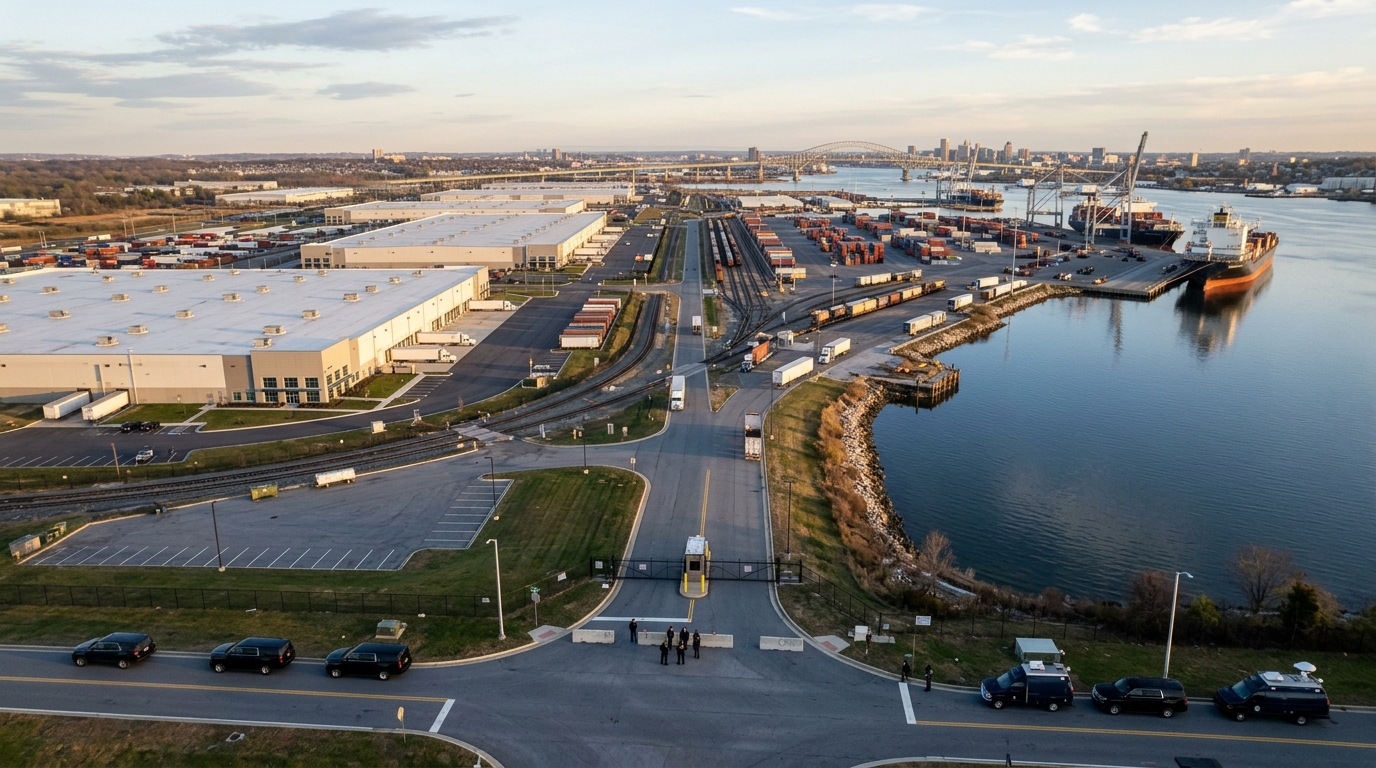
Former President Donald Trump is reportedly planning a visit to Tradepoint Atlantic in Baltimore County on Tuesday, bringing national attention to the sprawling industrial hub that rose from the former Bethlehem Steel plant.
Maryland's 'Enough Initiative': Is Governor Moore Delivering on His Child Poverty Promise?
Governor Wes Moore's "Enough Initiative" promised to end child poverty in Maryland. Over a year in, DMV residents are asking if this ambitious pledge is yielding concrete results for struggling families.