Supreme Court Declines Marilyn Mosby's Appeal, Upholding Conviction in Perjury and Fraud Case
Share this article
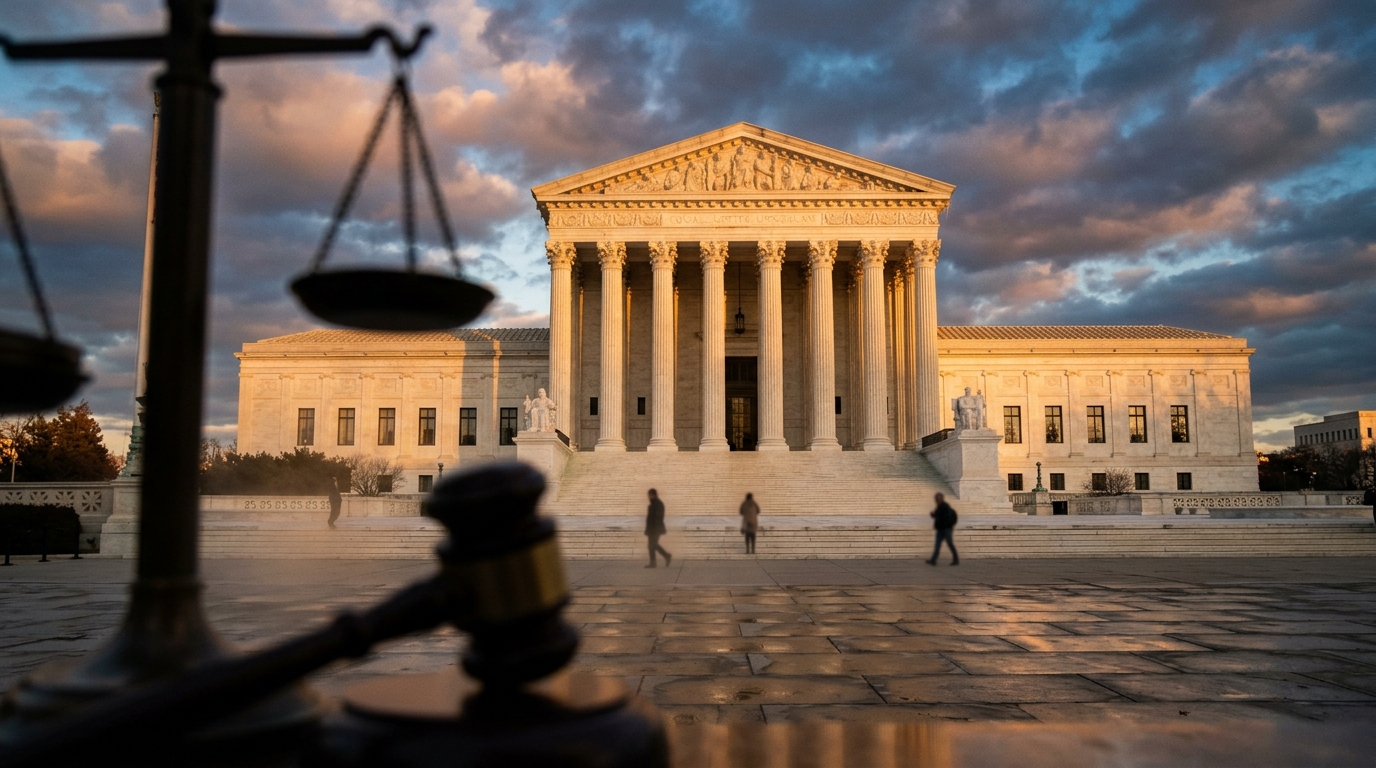
A High-Profile Figure's Legal Journey Ends at the Top
Marilyn Mosby rose to prominence as Baltimore City's chief prosecutor, a role she held from 2015 to 2023. Her tenure was marked by both significant reforms and considerable controversy, placing her squarely in the public eye. As State's Attorney, she oversaw one of the nation's busiest urban prosecutor's offices, making decisions that impacted thousands of lives in a city deeply connected to the greater DMV area through commutes, commerce, and shared social issues. The legal saga that led to this Supreme Court decision has been a complex one, involving federal charges of perjury and making false statements on loan applications. These charges stemmed from allegations that she made false claims about experiencing financial hardship due to the COVID-19 pandemic to withdraw funds from her retirement account, and then made false statements on mortgage applications for two Florida properties. Such allegations against a sitting public official immediately draw scrutiny, raising questions about integrity and the proper use of power.Understanding the Supreme Court's Decision to Deny Review
When the Supreme Court "declines to hear" a case, it doesn't necessarily mean they agree with the lower court's decision on the merits. Instead, it signifies that the justices have chosen not to review the case at all. This is a common outcome for the vast majority of petitions filed with the nation's highest judicial body.The Charges: Perjury and Fraud
The convictions against Mosby center on serious allegations of dishonesty. Perjury involves knowingly making a false statement under oath or in a sworn document, such as an affidavit or a loan application, with the intent to mislead. Fraud, in this context, refers to intentionally deceiving someone for personal gain, often financial. When these charges are brought against a public official, especially one in a position of legal authority like a State's Attorney, they carry additional weight, striking at the core of public trust. The specific details, as implied by the charges, revolved around financial transactions. Federal prosecutors alleged that Mosby falsely claimed financial hardship to access funds from her city retirement account under a COVID-19 relief program. They also contended she made false statements on mortgage loan applications for two vacation properties in Florida, allegedly misrepresenting aspects of her financial situation to secure better terms or eligibility. These are serious federal offenses, investigated and prosecuted by the U.S. Attorney's Office for the District of Maryland.Implications for Public Trust and Accountability in Maryland
This Supreme Court decision sends a clear message about accountability for public officials, not just in Baltimore, but across Maryland and the wider DMV area. For residents, it reinforces the idea that no one, regardless of their position, is above the law. When high-profile figures face such legal scrutiny and ultimately see their convictions upheld, it can both affirm the justice system's reach and, for some, deepen cynicism about political integrity. The role of a State's Attorney is critical in maintaining law and order and upholding justice within their jurisdiction. The Maryland State Archives details the extensive powers and responsibilities of this office. A conviction for perjury and fraud against someone who once held such a powerful position inevitably casts a shadow, prompting discussions about ethics, oversight, and the mechanisms in place to prevent such alleged misconduct. It serves as a stark reminder of the consequences when public servants are found to have violated the trust placed in them.What's Next for Marilyn Mosby?
With the Supreme Court's refusal to hear her appeal, Mosby's legal options to overturn her convictions on these specific charges are now effectively exhausted. The focus will now shift to her sentencing. A federal judge will determine the appropriate penalties, which could include prison time, fines, restitution, and supervised release. The exact nature and severity of the sentence will depend on various factors, including federal sentencing guidelines, the specifics of her crimes, and any mitigating or aggravating circumstances presented to the court. This outcome marks a significant and perhaps final legal chapter for Marilyn Mosby, a figure who has undeniably left a profound mark on Baltimore's political and legal landscape. Her case will likely be studied for years to come as an example of the challenges and responsibilities inherent in public service. For residents across the DMV, this ruling underscores the continuous need for vigilance and engagement in local and state politics. It’s a reminder that the actions of public officials, from local council members to state’s attorneys, have real and lasting consequences, and that the legal system ultimately holds them to account. As the sentencing phase approaches, the region will be watching closely to see the final resolution of a case that has captivated Maryland for years.Explore more on this topic
Related Stories
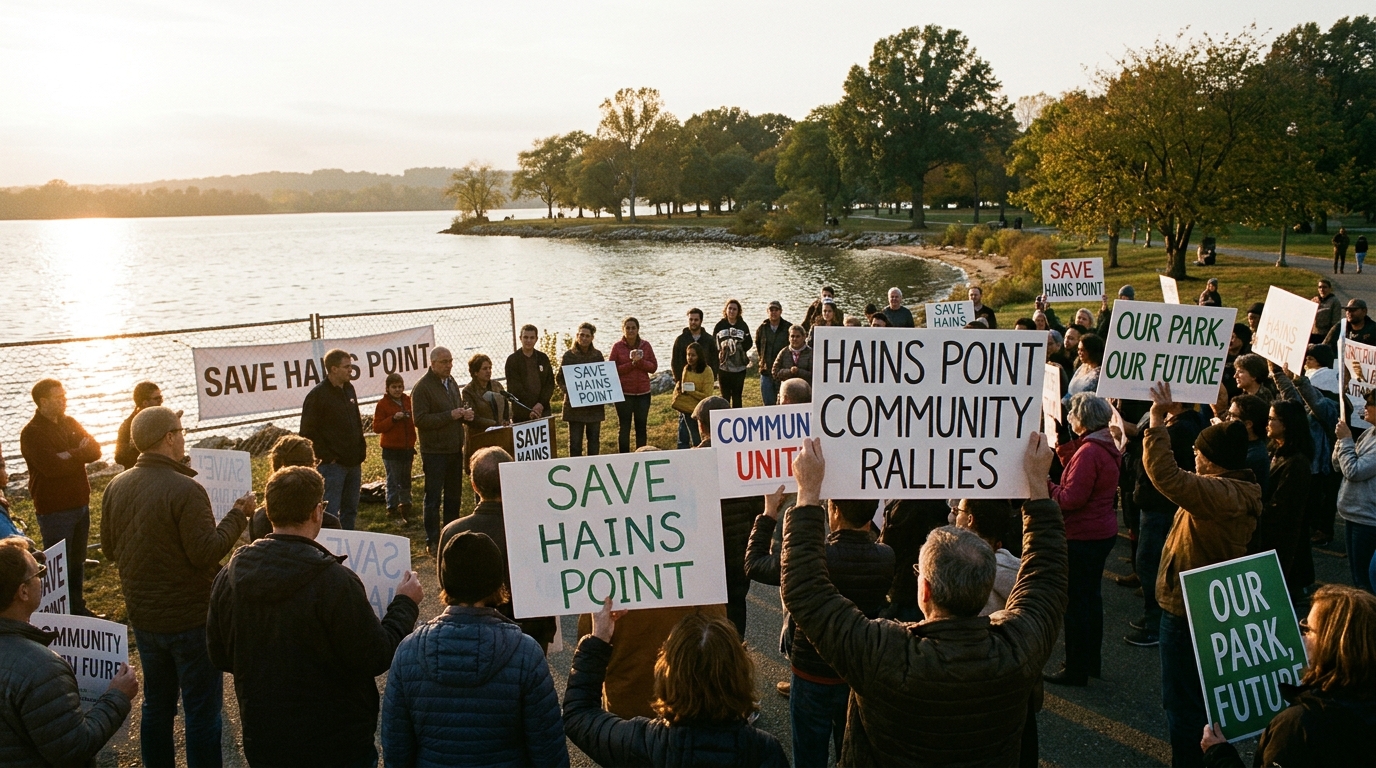
Hains Point Community Rallies as Lawsuit Sees Amendment in Washington, DC
Community members in Washington, DC, have rallied to "save Hains Point," leading to a lawsuit related to the beloved park being amended to address their concerns. This development highlights the powerful impact of local advocacy on the future of the District's public spaces.
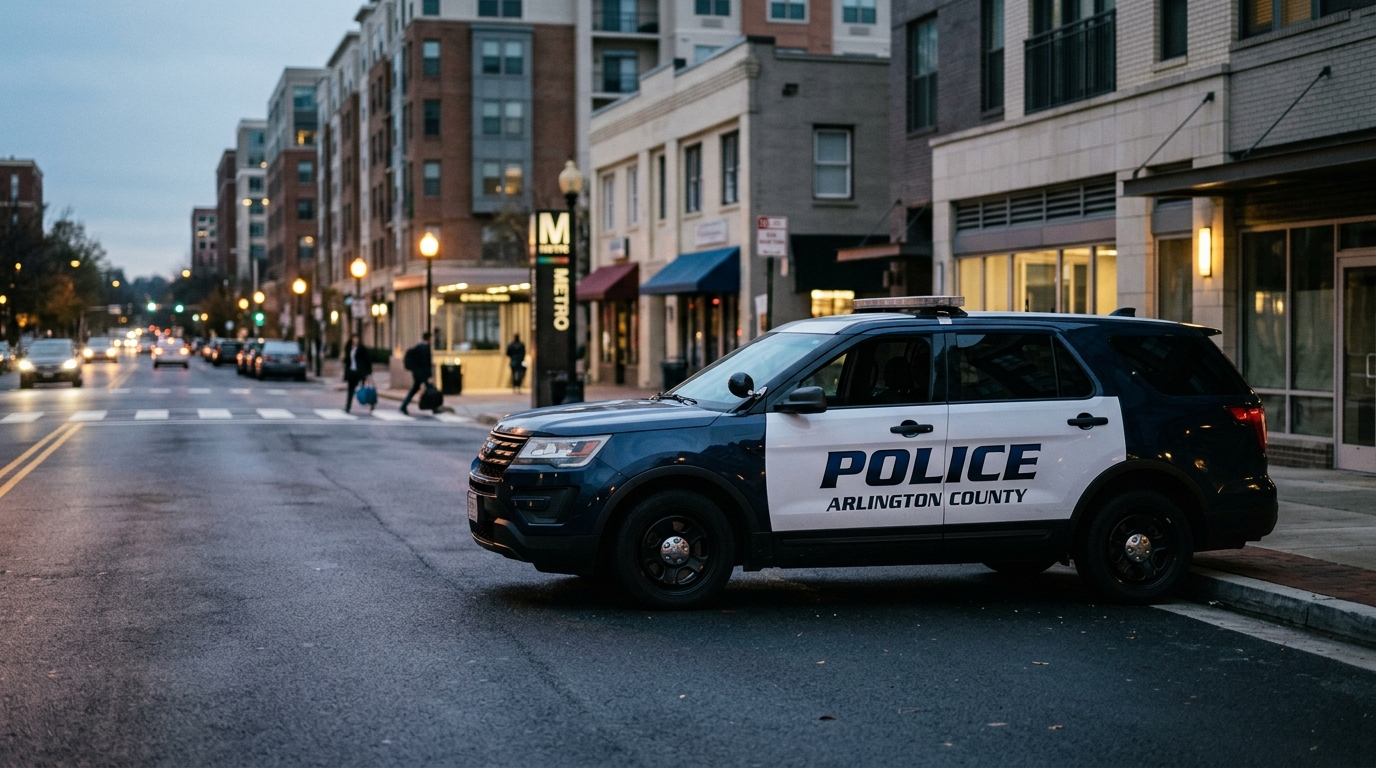
Knife Wielded in Courthouse Robbery, Suspect Flees into Metro
A man pulled a knife on a store employee in Arlington's Courthouse neighborhood during a morning robbery, subsequently fleeing into the Metro system. Police are actively searching for the suspect following the Thursday morning incident.
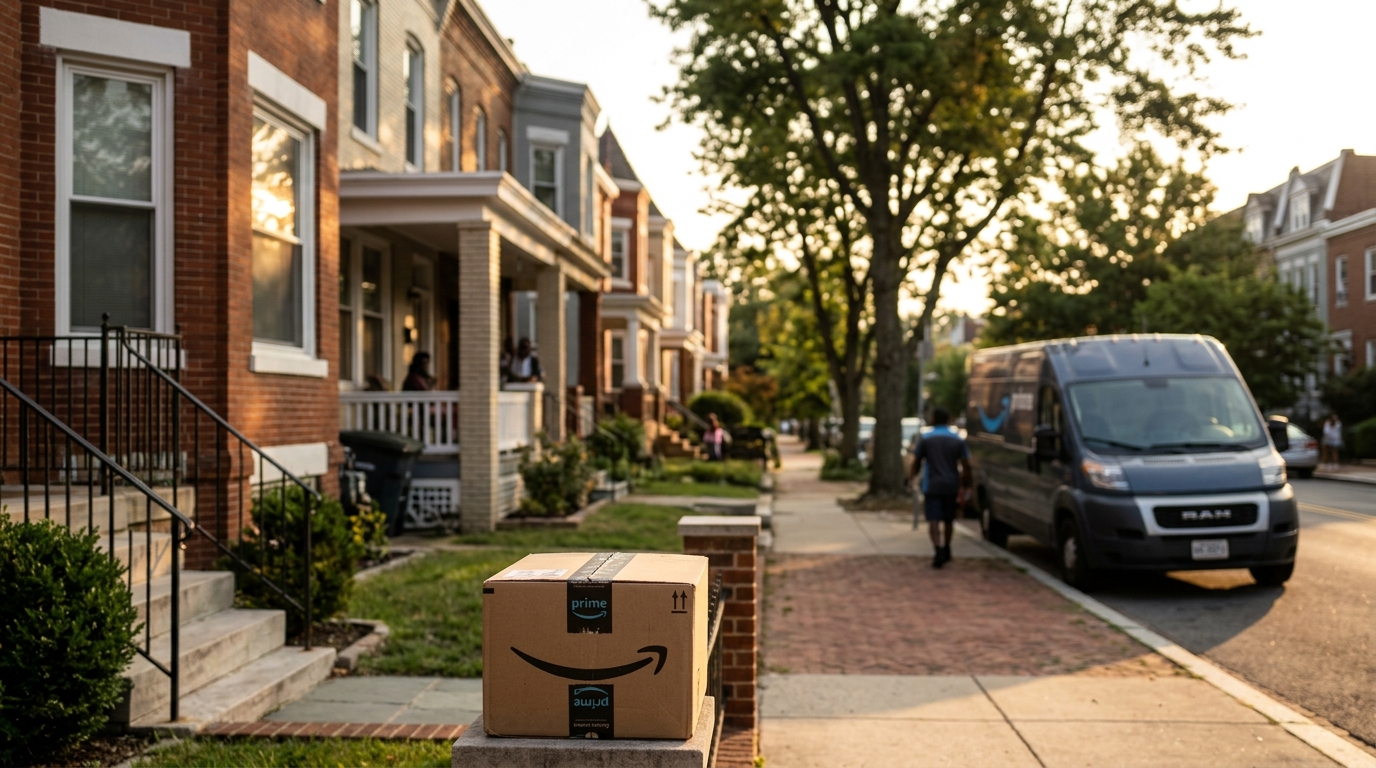
D.C. Secures $8 Million Settlement from Amazon Over Delivery Disparities in Majority-Black Neighborhoods
Washington, D.C. has reached an $8 million settlement with Amazon, resolving a lawsuit that accused the e-commerce giant of "deceptive conduct" regarding deliveries to the city's majority-Black neighborhoods. This agreement highlights a significant win for consumer protection and equitable service access for all D.C. residents.