Arts
Montgomery County
Third-Party Candidates Excluded from Maryland Governor's Debate, Sparking Outcry
Share this article
Advertisement
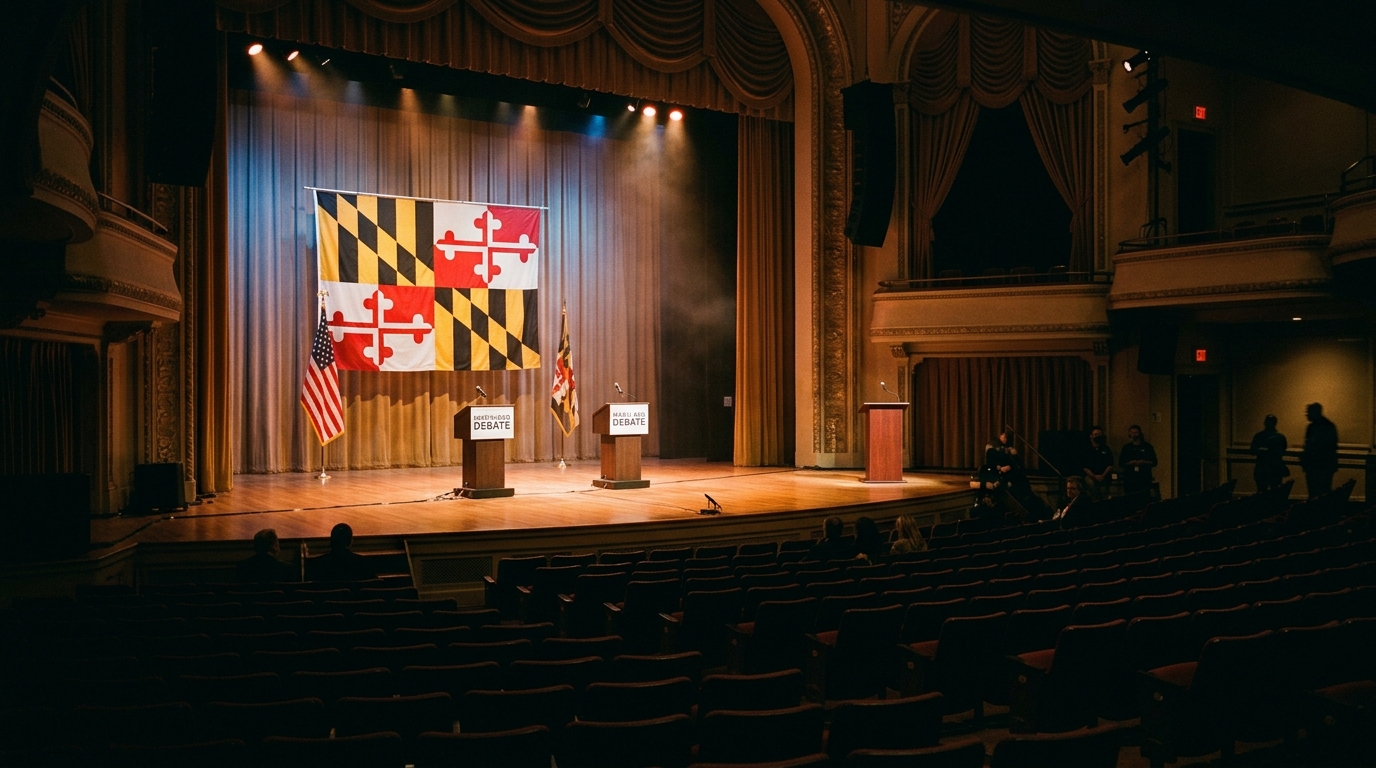
The political landscape in Maryland is buzzing with contention as third-party candidates vying for the state's top office find themselves shut out from the sole gubernatorial debate [1]. This decision, which leaves the state's voters with a potentially limited view of the electoral spectrum, has ignited a chorus of complaints from those denied a spot on the stage. For many, a single debate is already a narrow window into the candidates' platforms, and the exclusion of non-major party voices only shrinks that window further, raising questions about fairness and comprehensive voter education in the run-up to the election. The debate stage is often seen as the ultimate proving ground for candidates, a critical opportunity to articulate their visions, challenge opponents, and connect directly with the electorate. When that opportunity is limited to just two, or sometimes three, major party contenders, it inevitably shapes the narrative of the race. This is particularly true in a state like Maryland, where political discourse can be vibrant and diverse, yet the formal mechanisms of the election cycle sometimes struggle to reflect that breadth.
The Unseen Candidates and Their Fight for a Voice
Across the nation, third-party candidates frequently face an uphill battle for recognition, resources, and media coverage. Their campaigns, often fueled by grassroots efforts and smaller donations, struggle to compete with the well-oiled machines of the Democratic and Republican parties. Debate exclusion is perhaps one of the most significant hurdles, effectively rendering them invisible to a large segment of the voting public who rely on these high-profile events for their political information. In Maryland, the outcry from these excluded candidates is not just about personal ambition; it's about what they perceive as a fundamental flaw in the democratic process. They argue that by limiting debate participation, organizers are essentially pre-selecting the viable options for voters, rather than allowing the electorate to make fully informed decisions based on a full range of ideas and policy proposals. This dynamic can perpetuate a cycle where third parties are deemed "non-viable" precisely because they are denied the platforms needed to gain viability.The exclusion of third-party candidates from the only gubernatorial debate in Maryland narrows the field of ideas presented to voters, potentially impacting informed decision-making.
The absence of these voices means that issues important to segments of the population, which might be championed by third-party platforms, may not receive adequate airtime. This could range from specific environmental policies to unique approaches to economic development or social justice issues that fall outside the mainstream dialogue of the two dominant parties. Why a Single Debate's Exclusions Carry Greater Weight
The fact that this is the *only* scheduled debate for the Maryland governor's race amplifies the impact of the exclusions [1]. In elections with multiple debates, a candidate might miss one but still have other opportunities to present their case. A single debate, however, becomes the singular touchstone for many voters, a concentrated moment when candidates are forced to articulate their stances under pressure and directly confront their opponents' arguments. When third-party candidates are left out of this crucial event, it sends a powerful signal to voters that their options are limited to what's presented on stage. It can reinforce the perception that only major party candidates are "serious" contenders, thereby discouraging voters from exploring alternatives. This can be particularly frustrating for voters who feel disengaged from the two major parties and are actively seeking different political solutions. The debate serves as an invaluable, often the *only*, opportunity for voters to see all candidates side-by-side, comparing their demeanor, quick thinking, and depth of knowledge in real-time. Without this, the public is left to piece together information from individual campaign events, often less accessible and less comparative.The Rules of the Game: How Candidates Get Left Out
Debate organizers typically establish criteria for participation, which often include polling thresholds, fundraising benchmarks, or ballot access requirements. While these rules are ostensibly designed to ensure that only "serious" and "viable" candidates participate, they are frequently criticized by third parties as inherently biased. For example, a candidate might need to register at a certain percentage in statewide polls, a feat that is incredibly difficult to achieve without significant media exposure and funding – precisely what debates are supposed to help provide. Similarly, fundraising minimums can be prohibitive for campaigns that do not draw from large corporate donors or national party coffers. Ballot access itself, while a necessary first step, doesn't guarantee a debate spot. Even if a candidate successfully navigates the complex process of getting their name on the ballot across Maryland's twenty-three counties and Baltimore City, they may still be deemed ineligible for the debate stage based on other criteria. These rules, while seemingly objective, often create a self-fulfilling prophecy, making it nearly impossible for non-major party candidates to break through.Impact on Maryland Voters and the Democratic Process
For residents across Maryland, from the bustling streets of Baltimore to the quiet communities of Frederick County and the suburban sprawl of Montgomery County, the exclusion of third-party candidates from the sole gubernatorial debate has tangible implications. It means less choice and less information when they head to the polls. Voters are denied the chance to hear directly from a wider array of candidates on issues ranging from local infrastructure projects and education funding to regional economic development and environmental protection. This narrowing of the debate can lead to a less vibrant and comprehensive discussion of the challenges and opportunities facing the state. It can also exacerbate voter apathy, particularly among those who feel neither major party truly represents their interests. When the electoral process feels predetermined or overly controlled, it can undermine public confidence in democratic institutions. Maryland, with its diverse population and complex political landscape, benefits most from a robust and inclusive public discourse where all serious contenders have a fair chance to present their case to the people they seek to serve. The fundamental principle of a healthy democracy rests on the idea of informed consent, and debates are a cornerstone of providing that information.A Broader Question of Democratic Principles
The situation in Maryland reflects a broader national discussion about the role of third parties and the structure of political debates. Critics argue that the two-party system, reinforced by debate exclusion policies, limits political innovation and responsiveness. They contend that a more open debate format could introduce fresh perspectives, push major party candidates to address a wider range of issues, and ultimately lead to better governance. Proponents of stricter debate criteria often argue that including too many candidates could make debates unwieldy, confusing, and less focused. They maintain that the goal is to present a clear choice between viable contenders, not to offer a platform for every individual who manages to get on the ballot. However, the line between "viable" and "excluded" is often drawn by the very institutions that third parties seek to challenge, creating a circular argument that is difficult to break. The current system tends to favor established power, making it exceedingly difficult for new ideas and movements to gain traction and challenge the status quo.What This Means for Maryland's Political Future
As Maryland moves closer to Election Day, the absence of third-party voices from the gubernatorial debate will likely remain a point of contention [1]. Voters will need to actively seek out information from alternative sources if they wish to understand the full range of candidates and their platforms. This could mean more reliance on individual campaign websites, local news coverage beyond the debate, and community forums. The debate over debate access is far from over. This incident in Maryland serves as a reminder of the ongoing challenges faced by third-party movements and the perpetual tension between established political structures and the desire for more inclusive democratic participation. Moving forward, the conversation around how debates are organized, and what criteria are used to determine participation, will undoubtedly continue to be a crucial aspect of electoral reform discussions in the Free State. Maryland residents should keep an eye on how these dynamics play out in future election cycles and consider the implications for their own civic engagement.Advertisement
Explore more on this topic
Related Stories
Arts
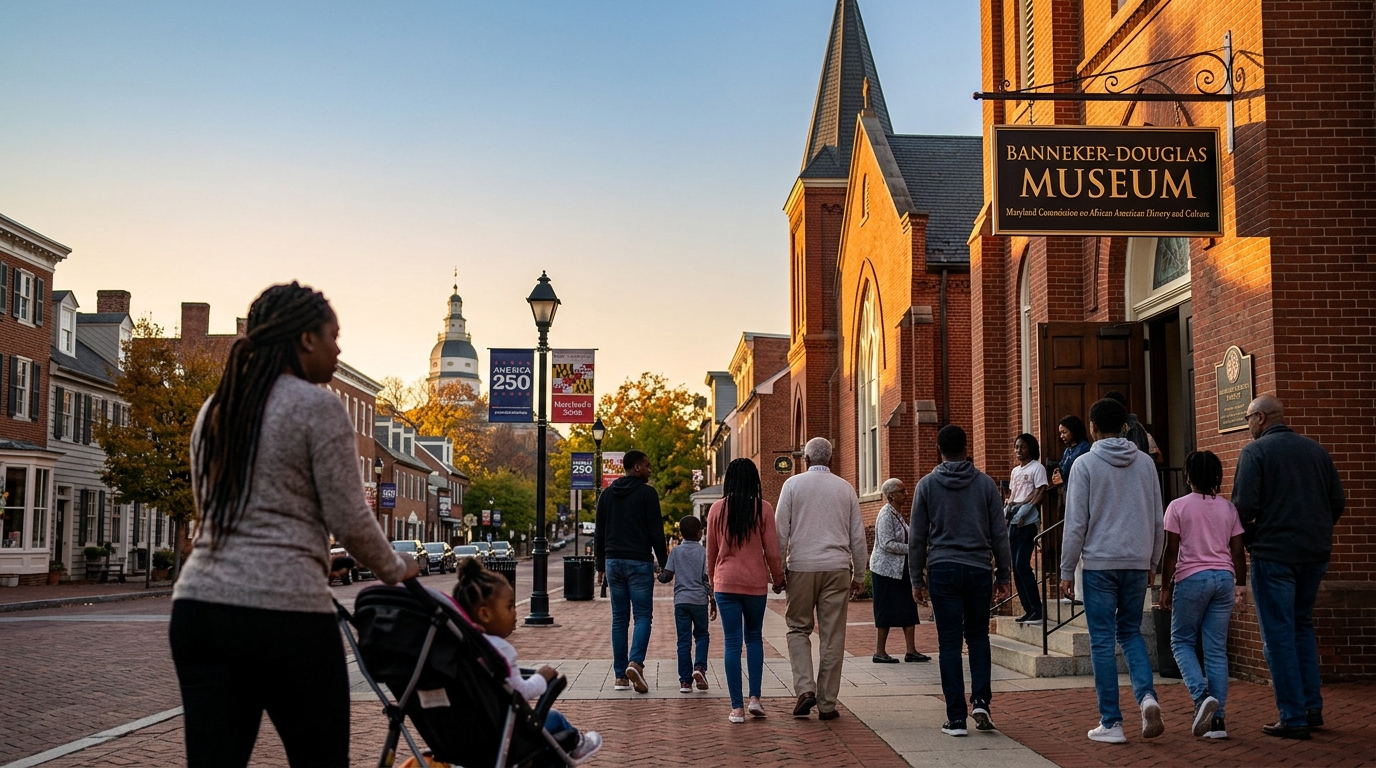
Annapolis Museum Prepares to Spotlight Black American History for America 250
Anne Arundel County·Arts
An Annapolis museum is preparing to highlight the contributions of Black Americans as part of the nationwide America 250 commemoration, ensuring a more inclusive historical narrative for the nation's 250th anniversary.
3 days ago5 min read
Arts
Friday Forecast: Sunny Start Across DMV Before Afternoon Showers Arrive
Montgomery County·Arts
4 days ago3 min read
Arts
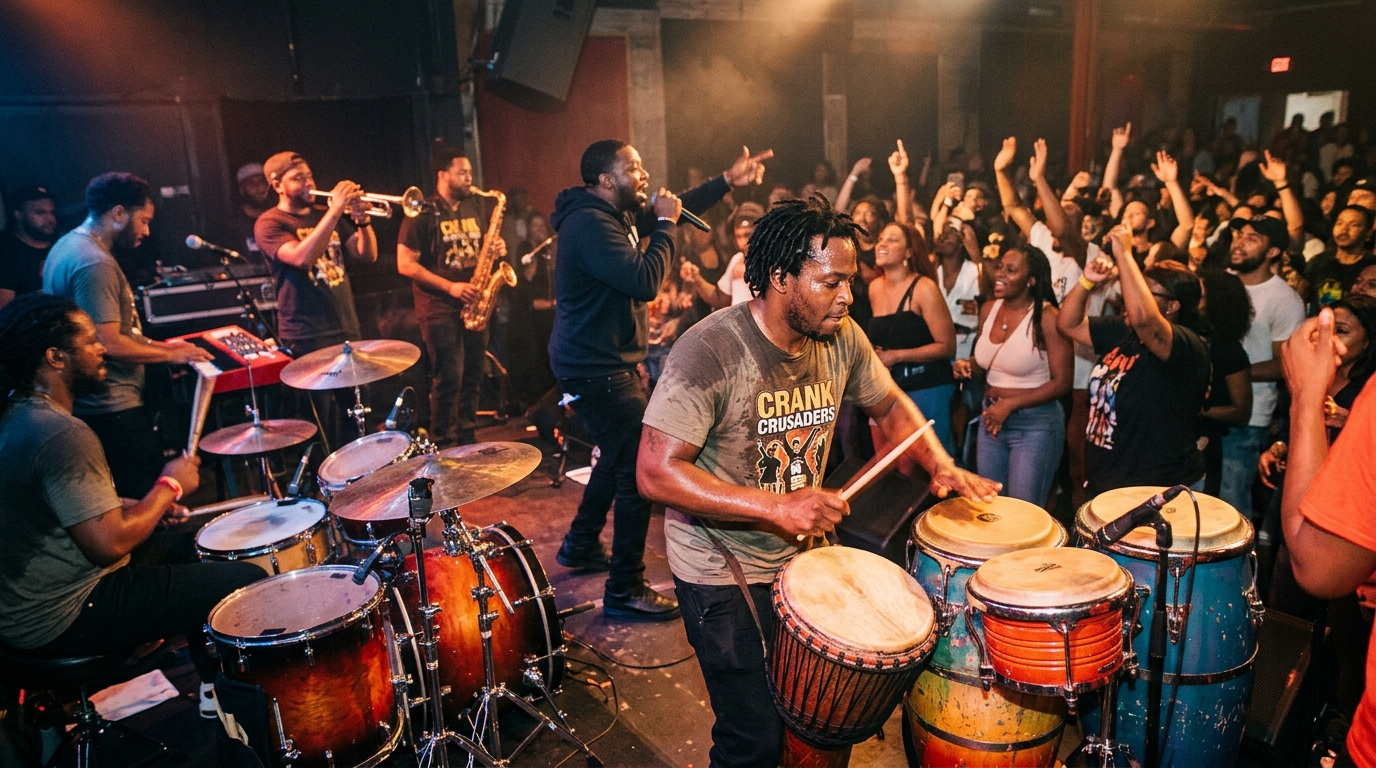
Crank Crusaders Bring Authentic Go-Go "House Party Experience" to Baltimore
Arts
Crank Crusaders are bringing their signature go-go "house party experience" to Baltimore this weekend, offering DMV residents a vibrant taste of D.C.'s iconic sound. This event highlights the genre's enduring appeal and its role in connecting communities across the region.
4 days ago4 min read