Maryland Special Education Complaints Surge 200% Since 2022, Raising Concerns for DMV Families
Share this article
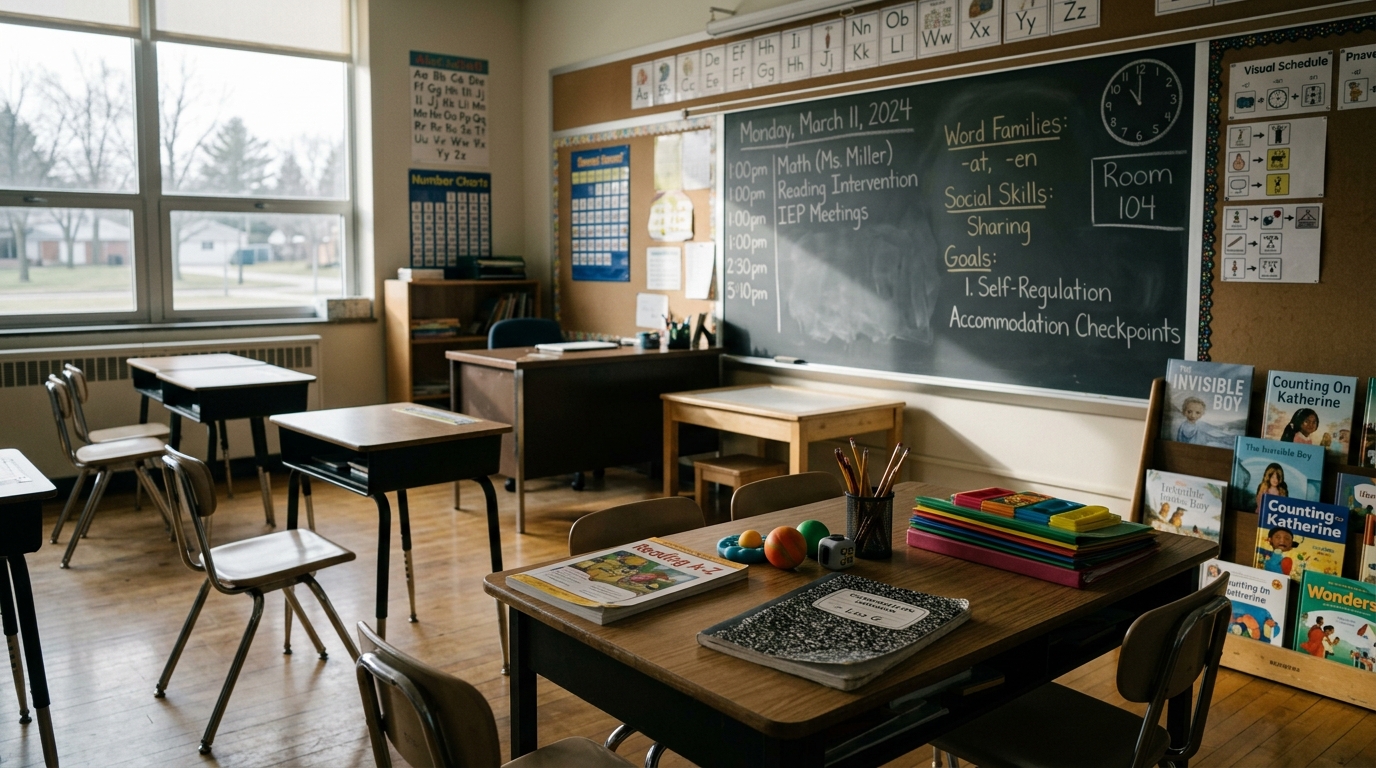
Understanding Special Education Complaints
When families enroll their children in public schools, those with disabilities are protected under the Individuals with Disabilities Education Act (IDEA). This federal law ensures that eligible children receive a free appropriate public education (FAPE), tailored to their unique needs through an Individualized Education Program (IEP). However, when parents believe their child isn't receiving the services outlined in their IEP, or that the school district isn't complying with IDEA, they can file a formal complaint. These complaints can cover a wide range of issues, from disagreements over the types of services provided, to concerns about a child's placement, or even alleged failures by the school to properly evaluate a student for special education eligibility. The process typically involves submitting a written complaint to the state education agency, which then investigates the claims.What's Driving the Spike?
While the exact reasons behind Maryland's sharp 200% increase are still being analyzed, several factors could be at play. The COVID-19 pandemic undoubtedly disrupted education for all students, but particularly for those with special needs who rely on consistent, in-person services. Many students may still be grappling with learning loss or developmental delays that were exacerbated during periods of virtual learning or inconsistent support. Parents might now be pushing harder to recover lost ground. Another potential contributing factor could be increased awareness among parents about their rights under IDEA. Advocacy groups and legal aid organizations often work to inform families about the complaint process, empowering them to take action when they feel their child's needs are neglected. Additionally, school districts themselves might be facing staffing shortages, particularly for specialized roles like special education teachers, therapists, and psychologists, which could lead to service gaps and parental dissatisfaction. Budget constraints could also be playing a role, forcing districts to make difficult decisions that impact service delivery.Impact on DMV Families and Schools
For families in Montgomery County, Frederick County, and other parts of Maryland within the DMV, this surge in complaints means a few things. First, it signals that many parents are feeling unheard or unsupported by their local school systems. Navigating the special education system can be incredibly complex and emotionally taxing, and resorting to a formal complaint is often a last resort after attempts at informal resolution have failed. This trend also puts additional pressure on the Maryland State Department of Education (MSDE), which is responsible for investigating these complaints. A 200% increase means a significant uptick in caseloads, potentially impacting the timeliness and thoroughness of investigations. Delays in resolving complaints can leave children without necessary services for longer periods, further hindering their educational progress. School districts, on their end, face the challenge of responding to these complaints, often requiring extensive documentation, staff time, and sometimes legal counsel. This diverts resources that could otherwise be dedicated directly to student services. It also points to a need for schools to re-evaluate their communication strategies with parents and ensure that IEPs are not just written, but effectively implemented.Moving Forward: What to Watch For
The substantial rise in special education complaints serves as a critical indicator that something needs to change within Maryland's educational landscape for students with disabilities. For DMV residents, especially those with children in special education programs, it's crucial to stay informed about their rights and the resources available to them. Advocacy groups like Disability Rights Maryland emphasize the importance of early intervention and clear communication between parents and schools. This trend will likely prompt further scrutiny from state lawmakers and educational leaders, potentially leading to new initiatives aimed at improving special education services and reducing the need for formal complaints. Families should keep an eye on discussions from the MSDE and local school boards regarding how they plan to address these growing concerns.📍 Local Resources
Provides oversight for special education programs, resources for families, and handles formal complaints.
Offers legal services and advocacy for people with disabilities, including special education issues, across Maryland.
Advocates for the rights and full inclusion of all people with intellectual and developmental disabilities, offering resources and support for families.
Explore more on this topic
Related Stories

Reports: Kennedy Center Faces Bankruptcy Threat, Cites Removal of Trump's Name
Reports indicate the iconic Kennedy Center is warning of bankruptcy, reportedly linking its financial woes to the removal of former President Trump's name from a prominent space. This development raises serious concerns for the future of arts and culture in Washington D.C. and the broader DMV region. ---META
DC Baptist Pastors Lobby Against Driverless Car Bill, Citing 'Antihuman' Concerns
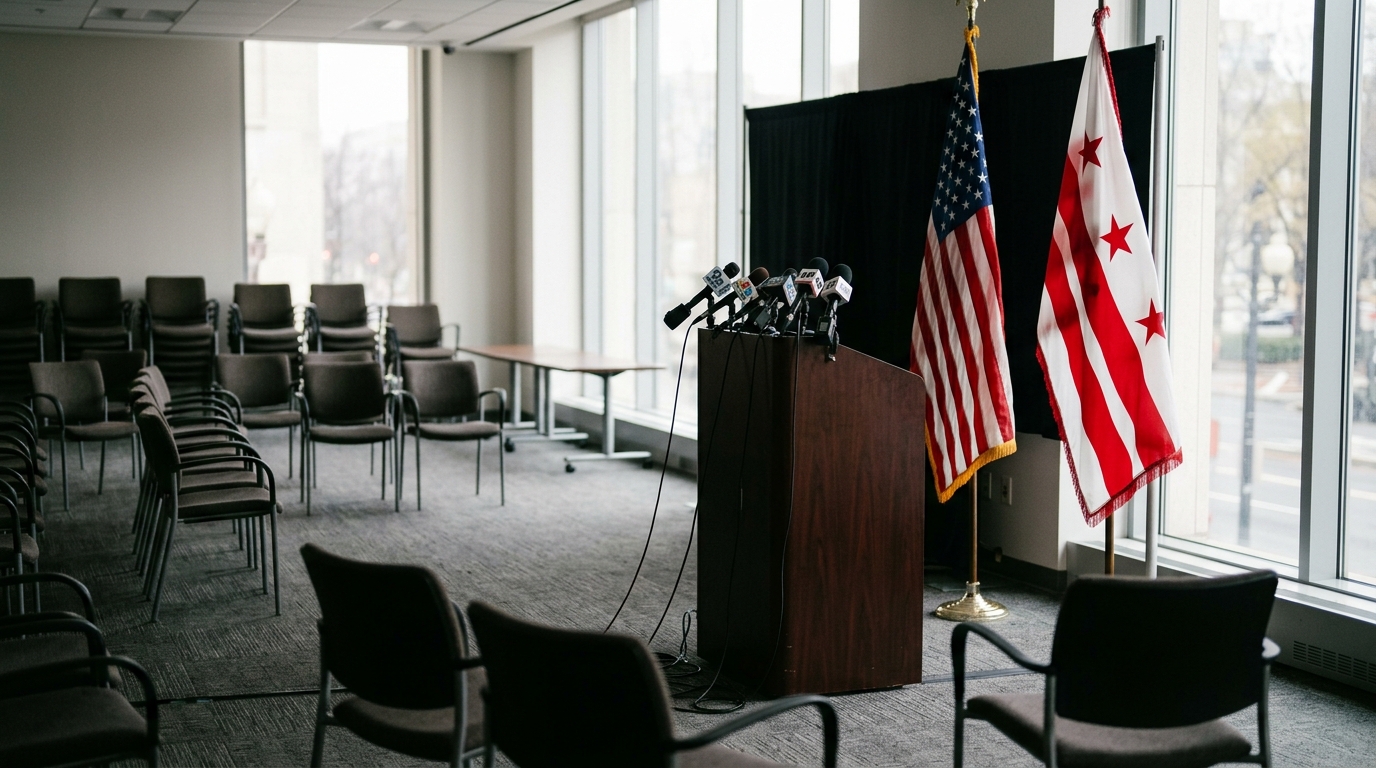
Some Baptist pastors in Washington D.C. are actively lobbying against a bill that would allow commercial driverless cars in the city, arguing that autonomous vehicles are "antihuman." This opposition introduces a unique ethical and moral dimension to the D.C. Council's debate over integrating artificial intelligence into urban transportation.
D.C. Police Union Pushes for Regulation of Flock License Plate Readers in the Capital
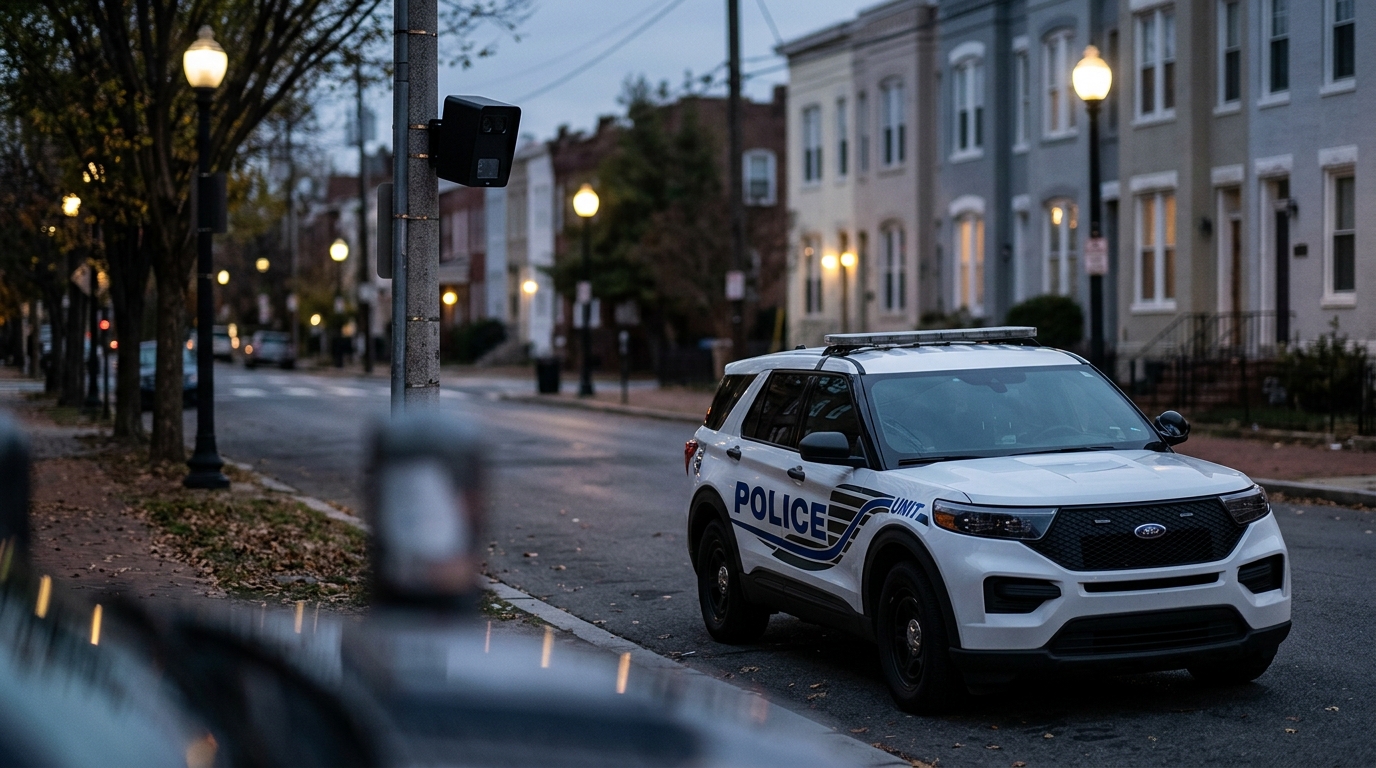
The D.C. police union is calling on the D.C. Council to regulate how Flock license plate readers are used in the nation's capital, with leaders in Alexandria also voicing concerns. This move highlights a growing regional debate about balancing public safety with privacy as surveillance technology expands across the DMV.