Jury Split 9-3 for Acquittal in DC Councilman Trayon White's Bribery Trial, Leading to Mistrial
Share this article
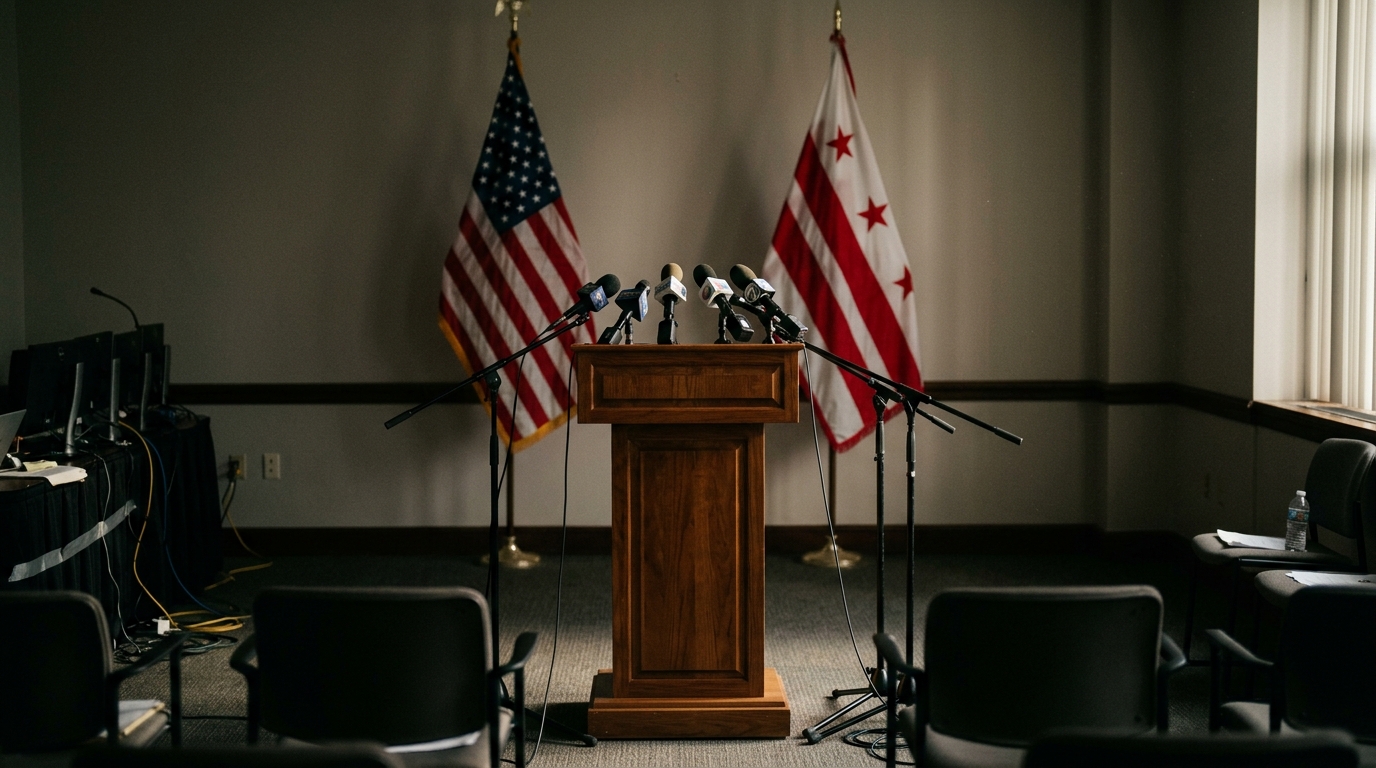
Understanding a Hung Jury and Mistrial
When a jury cannot reach a unanimous verdict—whether guilty or not guilty—it's deemed a "hung jury." This inability to agree, even with a strong majority leaning one way, results in a mistrial. In such a scenario, the court effectively declares that the trial has ended without a legal resolution. The case is then typically subject to further review by prosecutors, who must decide whether to pursue a retrial, negotiate a plea agreement, or drop the charges entirely. The fact that the jury was reportedly split 9-3 in favor of acquittal, as Councilman White indicated (FOX 5 DC), suggests that a substantial majority of jurors believed the prosecution had not met its burden of proof beyond a reasonable doubt. This doesn't mean Councilman White was found innocent, but it certainly complicates the prosecution's position should they opt for a retrial. A jury leaning so heavily towards acquittal can signal challenges in securing a conviction if the case is presented again.The Role of a DC Councilmember
Trayon White represents Ward 8, a vibrant and diverse community in Southeast Washington, DC. As an elected member of the Council of the District of Columbia, his responsibilities are extensive, encompassing everything from crafting local legislation to overseeing city agencies and advocating for his constituents' needs. Councilmembers are integral to the daily functioning of the city, making decisions that directly impact residents' lives, from housing and education to public safety and economic development. The Council operates under a strict code of ethics, designed to uphold public trust and ensure transparency in government. More information on the Council's functions can be found on the official DC Council website. A trial involving a sitting Councilmember on bribery charges naturally draws significant public attention because it strikes at the heart of public trust in elected officials. Residents expect their representatives to act with integrity and prioritize the public good over personal gain. When allegations of bribery surface, they can erode confidence in the entire political system, making it harder for officials to effectively govern and for residents to feel their voices are genuinely heard.Implications for Ward 8 and DC Politics
For the residents of Ward 8, the mistrial introduces a period of continued uncertainty. Councilman White remains in his position, but the legal cloud persists. This situation can be particularly challenging for a community that relies heavily on its elected officials for advocacy and representation on critical issues. The focus of the Councilmember and the community can become divided between ongoing governance and the lingering legal proceedings. Beyond Ward 8, the trial and its outcome have broader implications for the political landscape of Washington, DC. It serves as a stark reminder of the constant scrutiny faced by public officials and the high ethical standards they are expected to uphold. The District's legal system, overseen by institutions like the DC Superior Court, plays a crucial role in ensuring accountability. Cases involving alleged public corruption are often seen as tests of the city's commitment to clean government.The Path Forward for Councilman White
Following a mistrial, the U.S. Attorney's Office for the District of Columbia now faces a critical decision. They can choose to retry Councilman White on the same charges, which would mean gathering evidence and presenting their case to a new jury. This option is often weighed against the resources required for another full trial and the likelihood of securing a conviction, especially given the previous jury's lean towards acquittal. Alternatively, prosecutors could decide to drop the charges. This might happen if they determine that a conviction is unlikely or that the evidence, as presented, is insufficient to meet the legal standard. A third possibility involves a plea bargain, where Councilman White could agree to plead guilty to a lesser charge in exchange for certain concessions, avoiding another trial. The specifics of bribery laws and their enforcement often involve complex legal considerations, as outlined by resources such as the U.S. Department of Justice on public corruption. For Councilman White, the immediate future involves navigating this legal limbo. Politically, a retrial would mean continued distraction and potential damage to his public image, regardless of the outcome. If charges are dropped, it could allow him to fully refocus on his duties. The decision by the prosecution will be pivotal, not just for White's career, but for the ongoing narrative of ethics in DC government. This development means that for residents across the District, particularly in Ward 8, the question of their representative's legal standing remains unresolved. It underscores the importance of an engaged citizenry and transparent governance, as the city continues to grapple with challenges related to public trust and accountability. What happens next will undoubtedly shape the political discourse in the nation's capital for months to come, emphasizing the need for clarity and resolution in matters of public office.📍 Local Resources
Promotes transparency and accountability in District government, offering resources on Freedom of Information Act (FOIA) and ethics.
Independent agency responsible for enforcing the District's ethics laws and promoting ethical conduct among public officials.
Explore more on this topic
Related Stories
Virginia Man Walks Free After 25 Years as Murder Conviction Vacated by Judge
A Virginia man has been released after a judge vacated his murder conviction, allowing him to walk free after spending 25 years in prison. The decision highlights the justice system's capacity for review and correction, prompting a look at the profound impact of long-term incarceration and the challenges of re-entry.

Federal Judge Halts Montgomery County Gun Ban for Silver Spring Synagogue Ahead of Rosh Hashanah
A federal judge has granted a preliminary injunction, temporarily blocking Montgomery County's gun ban from being enforced against Rabbi Menashe Shapiro and the Silver Spring Jewish Center at their house of worship. The ruling comes just as the Jewish New Year, Rosh Hashanah, begins, providing a timely reprieve as the synagogue's legal challenge against the county ordinance continues.
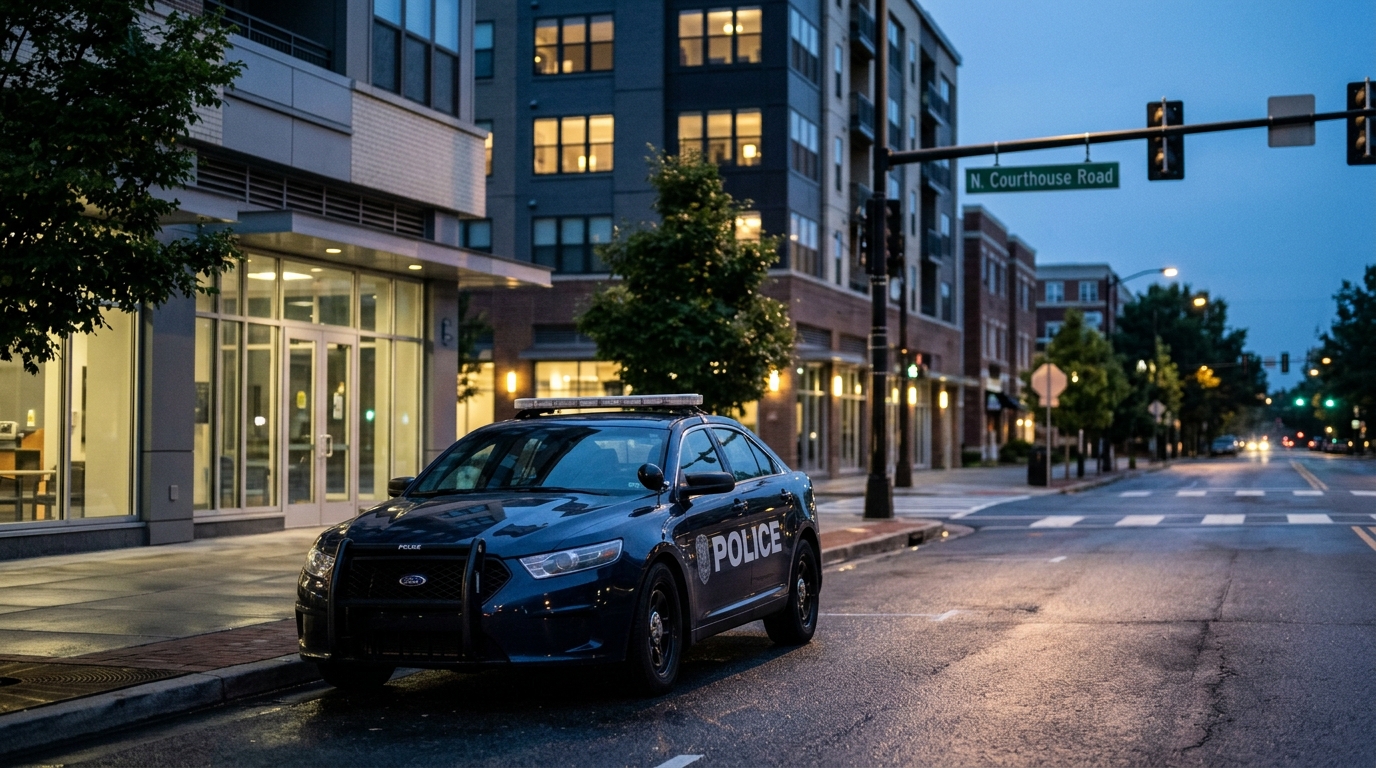
Shot Fired During Late-Night Dispute Rattles Arlington's Courthouse Neighborhood
Arlington County Police are investigating after a gun was fired into the air during a dispute late Friday night in the Courthouse neighborhood, near the intersection of 15th Street N. and N. Courthouse Road. The incident, occurring in a bustling urban hub, has raised community awareness about public safety.