September 12, 2026(Updated less than a minute ago)
7 min read
Share this article
Advertisement
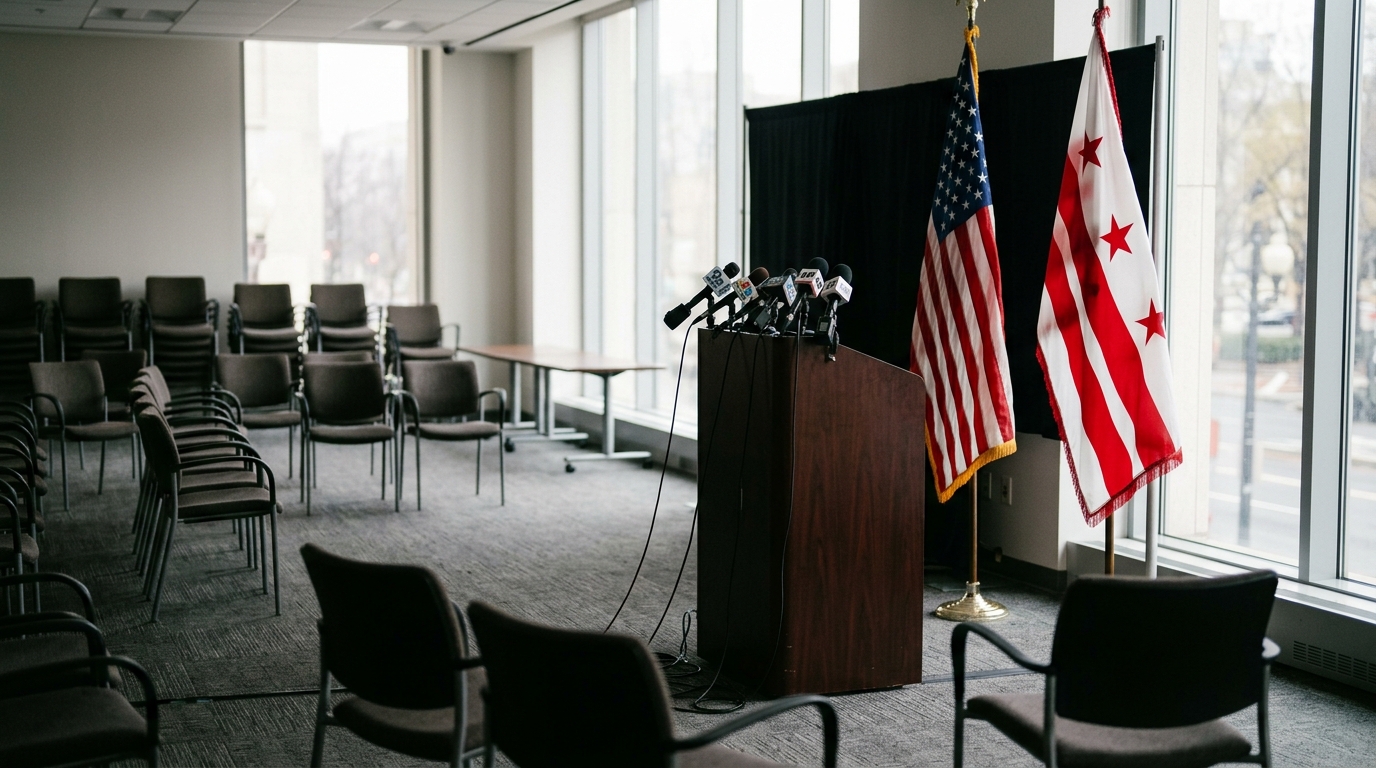
A debate is brewing in the halls of power here in Washington D.C., one that pits technological advancement against deeply held spiritual beliefs. Some Baptist pastors across the city are actively lobbying against proposed legislation that would open the door for commercial driverless car operations in the District, arguing that autonomous vehicles are fundamentally "antihuman." This isn't just about traffic patterns or job displacement; it's a profound ethical and moral question being brought to the doorstep of the D.C. Council. The pushback from these religious leaders adds a unique layer to the ongoing conversation surrounding artificial intelligence and its integration into daily life. As cities worldwide grapple with how to regulate and embrace emerging technologies, D.C.'s legislative body finds itself navigating not only the practical implications of driverless cars but also the philosophical and spiritual concerns raised by a vocal segment of the community. This local advocacy effort highlights the complex challenges policymakers face when technology intersects with deeply rooted values.
Some Baptist pastors are lobbying against a bill that would allow driverless cars to operate commercially in D.C., saying autonomous vehicles are antihuman.
### The Heart of the Matter: A Bill for Commercial Operations At the center of this burgeoning controversy is a bill currently under consideration by the D.C. Council. While the exact details of the proposed legislation aren't fully public yet, its core aim is clear: to establish a framework that would permit companies like Waymo, a leader in autonomous vehicle technology, to deploy and operate driverless cars for commercial purposes within the District. This could mean anything from ride-sharing services to delivery networks, all without a human behind the wheel. For many, the prospect of driverless cars in D.C. evokes a mix of excitement and apprehension. Proponents often point to potential benefits like reduced traffic congestion, improved safety (by eliminating human error), and enhanced accessibility for those unable to drive. The technology itself represents a significant leap forward in urban mobility, promising efficiencies and conveniences that could reshape how residents commute and interact with their city. Companies in the autonomous vehicle space, including those already testing in other major U.S. cities, are keen to expand their footprint into dynamic urban environments like Washington. However, the Baptist pastors' opposition isn't rooted in typical policy debates over infrastructure or economic impact. Their concerns delve into the very nature of humanity and technology, viewing fully autonomous systems as a threat to human agency and the intrinsic value of human interaction. It's a perspective that challenges the often-unquestioned march of technological progress, urging a pause for deeper moral reflection. ### Why "Antihuman"? The Spiritual Perspective The argument that autonomous vehicles are "antihuman" might seem jarring to some, but it stems from a theological and ethical framework that prioritizes human connection, responsibility, and the unique qualities of human experience. From this viewpoint, ceding control of fundamental human activities, such as driving and transportation, to machines could erode essential aspects of what it means to be human. Think about the subtle, often unspoken interactions that occur in everyday life: the nod between a driver and a pedestrian, the brief chat with a cab driver, the spontaneous decision-making required when navigating unexpected situations. These moments, however small, contribute to the fabric of human society. For the lobbying pastors, replacing these human elements with algorithmic decisions and robotic precision could lead to a less empathetic, less connected society. They might see it as diminishing the human role in the world, reducing individuals to mere passengers in a system controlled by artificial intelligence. This perspective isn't entirely new. Throughout history, religious groups have often raised ethical questions about new technologies, from the printing press to cloning, evaluating them through the lens of their faith and moral doctrines. The current debate around AI, particularly in areas that directly impact human interaction and control, is simply the latest iteration of this ongoing dialogue between faith and innovation. The pastors' stance reflects a deep concern for the soul of the city, not just its streets. ### The D.C. Council's Balancing Act The D.C. Council now faces the delicate task of weighing these diverse perspectives. On one side are the potential economic benefits, technological innovation, and urban planning advantages that driverless cars could bring. On the other, the profound ethical and spiritual concerns raised by community leaders. Councilmembers must consider not only the practicalities of safety and regulation but also the broader societal implications and the values of their constituents. Legislating in this rapidly evolving tech landscape is inherently challenging. D.C. often positions itself as a forward-thinking city, eager to embrace innovation. However, it's also a city with a rich history, diverse communities, and a strong tradition of civic engagement. The input from religious groups, particularly those representing significant portions of the local population, cannot be easily dismissed. Their voice adds to the chorus of stakeholders, including transportation experts, tech companies, labor unions, and everyday residents, each with their own hopes and fears about autonomous vehicles. The legislative process in D.C. involves multiple stages, including committee hearings where public testimony is heard, providing an avenue for these pastors and other community members to voice their concerns directly to lawmakers. This public discourse is crucial for ensuring that all angles are considered before a final decision is made on such a transformative technology. Residents interested in how their city is shaped can always follow the D.C. Council's legislative agenda online. ### Broader Implications for AI and Society The debate in D.C. isn't isolated; it mirrors a larger global conversation about the role of artificial intelligence in society. From ethical AI guidelines to the impact of automation on employment, questions about humanity's relationship with intelligent machines are becoming increasingly urgent. The "antihuman" argument, while rooted in a specific religious context, resonates with broader anxieties about technological displacement and the potential loss of human control. As AI systems become more sophisticated and integrated into critical infrastructure, ethical considerations become paramount. Who is responsible when an autonomous system makes a mistake? How do we ensure that algorithms are fair and unbiased? And what are the long-term societal effects of delegating more and more decision-making to machines? These are the kinds of questions that the Baptist pastors are, in their own way, compelling D.C. lawmakers to confront. The dialogue sparked by these pastors underscores the importance of a multifaceted approach to technological governance. It's not enough to simply assess technical feasibility or economic viability; a truly comprehensive approach must also incorporate ethical, social, and even spiritual dimensions. The District of Columbia, with its unique blend of federal influence and local community dynamics, is becoming an unexpected crucible for these profound discussions. For residents of Washington D.C., this legislative push-and-pull means keeping an eye on the D.C. Council's transportation and public works committees. The outcome of this bill could shape the future of urban transit, potentially introducing new commercial services like autonomous ride-shares or deliveries, but also sparking continued discussion on the ethical boundaries of technology. Whether the District embraces driverless cars commercially, or if the "antihuman" concerns sway lawmakers, remains to be seen, but the conversation has certainly been elevated.
📍 Local Resources
D.C. Council Website
Access legislative information, find contact details for Councilmembers, and view hearing schedules.