Suspect in 1999 DC Cold Case Murder Released Due to Medical Issues, Prompting Community Concern
Share this article
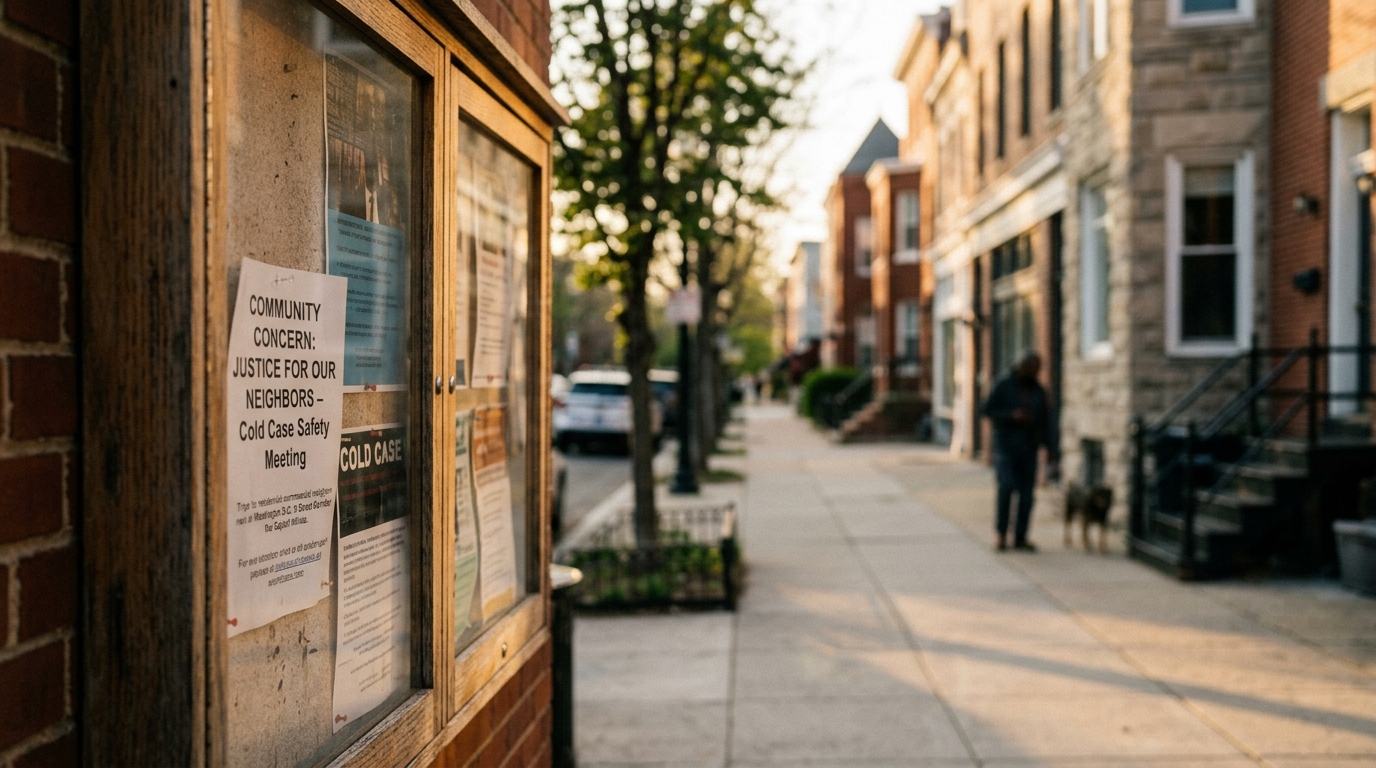
A man suspected in a decades-old Washington, D.C., homicide has been released from custody, a development that has sent ripples of concern through the community. The individual, who had been held in connection with a 1999 cold case murder, was reportedly let go due to pressing medical issues, according to initial reports. This decision highlights the complex intersection of justice, public safety, and humanitarian considerations within the legal system, particularly when dealing with long-unresolved cases.
For residents across the District, particularly those who remember the harrowing events of the late 90s, the news of a suspected killer being released can be deeply unsettling. It's a stark reminder that the pursuit of justice is often fraught with complications, and that closure for victims' families can remain elusive, even after an arrest.
The Lingering Shadow of a Cold Case
Cold cases represent some of the most challenging puzzles for law enforcement. These are investigations where all available leads have been exhausted, and the case remains open without resolution for an extended period. The 1999 murder, now nearly a quarter-century old, falls squarely into this category. For years, such cases can weigh heavily on detectives, prosecutors, and, most profoundly, on the families of those lost. The passage of time often complicates evidence, witness memories fade, and the hope for resolution can dwindle.
When an arrest is finally made in a cold case, it often brings a profound, albeit sometimes fragile, sense of relief and renewed hope for justice. Families who have waited years, sometimes decades, for answers, envision the legal process unfolding and accountability being served. The recent release, however, introduces a new layer of complexity to this already sensitive landscape, reigniting old pains and raising fresh questions about the path to justice for the victim.
Understanding Medical Releases in the Justice System
The decision to release an individual from custody due to medical issues is not uncommon within the U.S. justice system, though it is often met with public scrutiny, especially in high-profile or violent crime cases. Such releases are typically granted when a defendant's health condition deteriorates to a point where they require extensive medical care that cannot be adequately provided within a correctional facility, or when their condition is deemed terminal. These decisions are usually made by a judge, often after reviewing medical evaluations and considering the severity of the illness, the defendant's prognosis, and the potential risk to public safety.
While the specifics of the medical issues in this particular case remain undisclosed, such releases underscore a persistent challenge for the correctional system: how to balance the need for justice and public safety with the constitutional right to adequate medical care, even for those accused of severe crimes. For many, the humanitarian aspect of providing appropriate medical attention to ailing individuals, regardless of their alleged actions, is a fundamental tenet of a just society. Yet, for others, particularly those impacted by violent crime, such releases can feel like a profound betrayal of justice and a lapse in the protection of the community.
Community Concerns and Public Safety
The reaction to the suspect's release has been described as "terrifying," a sentiment that resonates deeply with residents concerned about public safety. The idea that someone suspected of a murder from 1999 is now back in the community can evoke fear and anxiety, especially when details surrounding the release are limited. This kind of situation often sparks broader discussions about the effectiveness of the justice system, the resources allocated to cold case investigations, and the measures in place to ensure community safety.
For D.C. residents, a case like this isn't just a headline; it's a direct concern for their neighborhoods. The release of a suspect in a murder case, regardless of the circumstances, can undermine the community's sense of security and trust in the legal process. It prompts questions about monitoring, potential flight risks, and the possibility of further legal proceedings should the individual's health improve or new evidence emerge. The Metropolitan Police Department (MPD) continues to investigate cold cases, a critical effort for bringing closure to families and ensuring accountability. Information on how the MPD approaches these cases can be found on the MPD's Cold Case Homicide Squad page.
The Path Forward for Justice
While a suspect's release due to medical issues might seem like a final chapter, it often isn't. The legal case itself may remain open, and charges could potentially be reinstated if the individual's health improves significantly, or if new evidence surfaces that strengthens the prosecution's position. This ongoing uncertainty can be particularly agonizing for the victim's family, who may feel that their pursuit of justice is being prolonged or even thwarted by unforeseen circumstances.
The D.C. court system navigates a complex web of laws and ethical considerations in such situations. Resources for understanding the District's legal framework, including information on criminal proceedings and court operations, are available through the Superior Court of the District of Columbia. Furthermore, victim advocacy groups play a crucial role in supporting families through these challenging times, offering counseling, legal assistance, and a voice in a system that can often feel overwhelming. Organizations like the DC Office of Victim Services and Justice Grants provide vital support.
This development serves as a stark reminder of the long and often arduous journey towards justice, especially in cold cases. For D.C. residents, it's a moment to reflect on the balance between legal protocols, humanitarian concerns, and the unwavering demand for accountability for violent crimes. The community will undoubtedly be watching closely for any further updates, hoping for clarity and continued commitment to resolving outstanding cases.
📍 Local Resources
Provides leadership, funding, and support to agencies, organizations, and programs that provide direct services to crime victims and justice-involved individuals in the District of Columbia.
Offers crisis intervention, emotional support, and advocacy for victims of crime and crisis, with a national hotline and local resources.
Connects low-income individuals and families in the District of Columbia with free legal assistance.
Explore more on this topic
Related Stories
Fairfax County Rocked by Double Shooting, Suspect Search Intensifies
Two men were injured in a recent double shooting in Fairfax County, prompting an urgent search by local authorities for the suspect. The incident has intensified police efforts and underscored the importance of community vigilance as investigators work to gather evidence and bring those responsible to justice.
Trash Truck Driver Charged in Tragic Death of 13-Year-Old Cyclist in Virginia
A trash truck driver has been charged in Virginia after unknowingly hitting and killing a 13-year-old boy riding his bicycle. This tragic incident highlights critical road safety concerns for young cyclists and the responsibilities of all drivers.
Seventeen Arrested on Gun Charges Following Shooting Near Towson University Campus
Seventeen individuals have been arrested on gun charges in connection with a shooting near Towson University, marking a significant law enforcement action to address gun violence in the Baltimore County community.