Weather & Traffic
Montgomery County
Deer Mating Season Puts DMV Drivers on High Alert for Roadway Collisions
Share this article
Advertisement
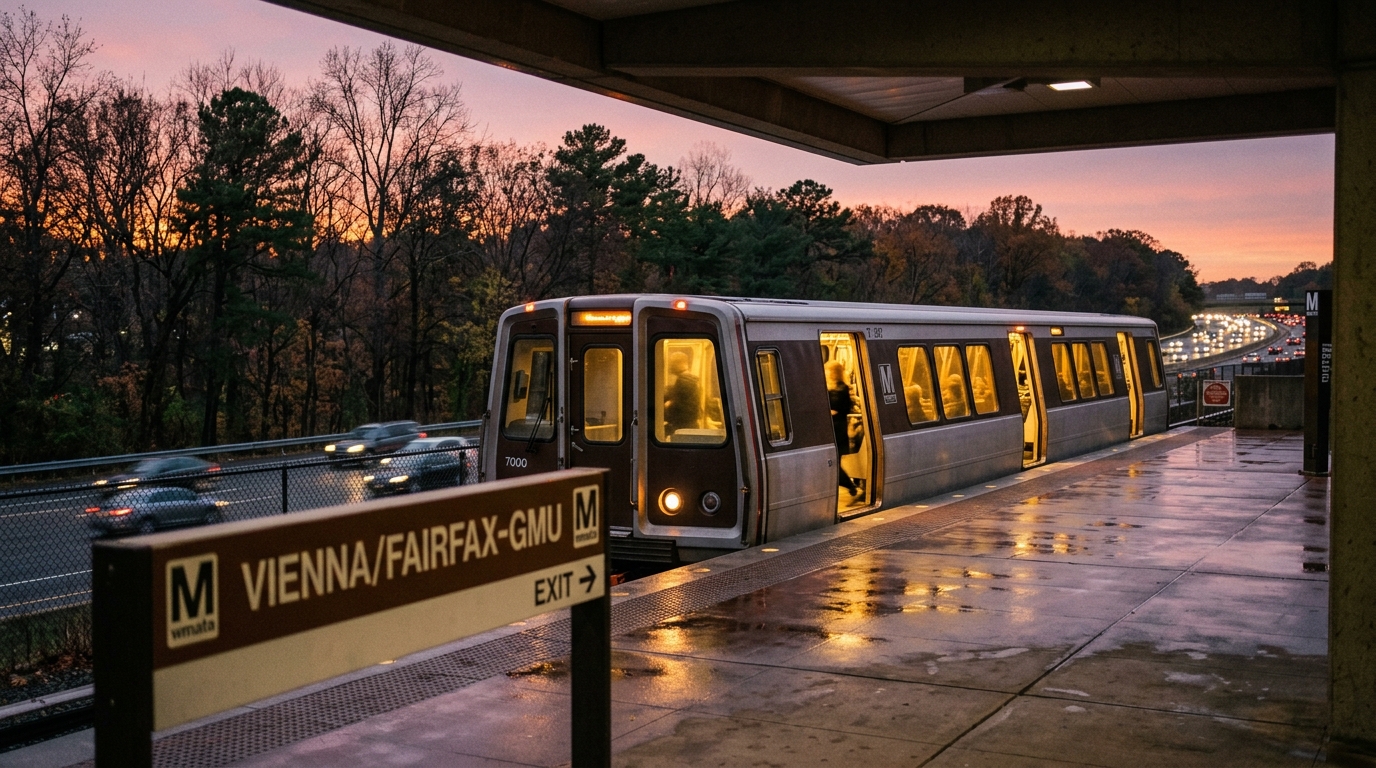
As the sun dips below the horizon, painting the sky in fiery hues, a common sight on many DMV roads isn't just the rush hour crawl—it's the sudden flash of a deer darting across the asphalt. This time of year, those fleeting encounters become far more frequent and dangerous. Deer mating season is officially underway in the Washington D.C. metropolitan area, ushering in a period of heightened risk for drivers navigating our busy streets and scenic parkways. Local traffic safety experts and wildlife officials are urging extreme caution. While deer are a year-round presence in our region's surprisingly wild pockets, their activity spikes dramatically in the fall, particularly from October through December. This increased movement directly translates to a greater chance of deer-vehicle collisions, posing significant threats to both wildlife and human safety, not to mention the potential for costly vehicle damage.
Deer-vehicle collisions typically peak during the fall mating season, especially around dawn and dusk.
### The Seasonal Spike: Why Fall is Prime Time for Deer Collisions So, what makes autumn such a perilous time on the roads for deer and drivers alike? It's primarily driven by biology. Fall marks the peak of the deer rut, or mating season. During this period, bucks are actively seeking does, and both sexes are much more mobile and less cautious than usual. They're often focused on finding a mate, not on oncoming traffic. This heightened activity isn't just confined to deep woods. Deer frequently cross roads as they move between feeding areas, bedding grounds, and new territories in search of mates. Their movements are most pronounced during dawn and dusk—the very hours when many DMV residents are commuting to and from work or school. Visibility is already lower at these times, making it even harder for drivers to spot an animal before it's too late. ### DMV's Unique Challenge: Where Wildlife Meets Commuter Lanes The DMV area, with its unique blend of bustling urban centers, dense suburban neighborhoods, and sprawling natural parks, creates a perfect storm for deer-vehicle encounters. From the wooded stretches of the Rock Creek Parkways in DC to the sprawling green spaces of Montgomery and Fairfax Counties, deer populations thrive surprisingly close to major thoroughfares. Residents in areas like Potomac, Great Falls, Burke, and Silver Spring are particularly familiar with sharing their roads with deer. These communities often border parks, stream valleys, or undeveloped land, providing ample habitat for deer while simultaneously funnelling them into conflict with residential and commuter traffic. A sudden appearance on a dark stretch of Route 7, River Road, or even I-270 can catch any driver off guard. ### The Dangers on the Road: More Than Just a Fender Bender A collision with a deer is no minor incident. The average deer weighs between 100 and 200 pounds, but larger bucks can easily exceed 300 pounds. Hitting an animal of that size can cause extensive damage to a vehicle, often costing thousands of dollars in repairs. More critically, it can lead to serious injuries for vehicle occupants, ranging from cuts and bruises to broken bones, head trauma, or even fatalities, especially if a driver swerves to avoid the animal and hits another vehicle or object. ### Driving Defensively: Essential Tips for Navigating Deer Season Staying safe during deer mating season requires vigilance and a proactive approach to driving. Here’s what DMV drivers can do to minimize their risk: * **Slow Down:** Adhering to speed limits, especially in areas known for deer activity, gives you more time to react. Reducing your speed by just 5-10 mph can significantly improve your stopping distance.
* **Scan the Road and Shoulders:** Don't just look straight ahead. Actively scan both sides of the road and the shoulders for any signs of movement. Deer often travel in groups, so if you see one, assume there are others nearby.
* **Use High Beams Wisely:** On dark, rural roads without oncoming traffic, use your high beams to increase visibility. The reflection of deer eyes can be spotted from a greater distance. Dim them immediately for approaching vehicles.
* **Be Extra Alert at Dawn and Dusk:** These are peak activity times for deer. Drive with heightened awareness during these hours.
* **Brake, Don't Swerve:** If a deer suddenly appears in your path, experts advise applying the brakes firmly and staying in your lane. Swerving can lead to more severe accidents, such as hitting another vehicle, a tree, or rolling over. While instinct might tell you to avoid the animal, maintaining control of your vehicle is paramount.
* **Wear Your Seatbelt:** This fundamental safety measure is crucial in any collision, including those with wildlife. A seatbelt can dramatically reduce the risk of injury.
* **Stay Sober and Avoid Distractions:** Driving under the influence or while distracted by a phone or other tasks severely impairs your reaction time, which is critical when a deer appears suddenly. ### What to Do After a Collision If you are involved in a deer-vehicle collision, prioritize safety first.
1. **Pull Over Safely:** Move your vehicle to the side of the road, turn on your hazard lights, and remain inside.
2. **Call the Police:** Report the incident to your local police department, even if the damage seems minor. They can document the accident for insurance purposes and dispatch an officer to handle the animal if necessary. For non-emergency situations, you can contact the Montgomery County Police Department or Fairfax County Police Department.
3. **Do Not Approach the Animal:** An injured deer can be unpredictable and dangerous. Keep a safe distance.
4. **Document the Damage:** Take photos of your vehicle and the scene for your insurance claim.
5. **Contact Your Insurance Company:** Report the collision as soon as possible. The increased risk of deer-vehicle collisions is a tangible concern for every driver in the DMV during these fall months. By understanding the seasonal factors at play and adopting defensive driving techniques, we can all contribute to safer roads for ourselves, our families, and the region's wildlife. Stay alert, slow down, and keep an eye out for our four-legged neighbors. 📍 Local Resources
Maryland Department of Natural Resources (DNR)
Information on deer management, preventing deer-vehicle collisions, and reporting injured wildlife in Maryland.
🌐 Website: dn
Advertisement
Explore more on this topic
Related Stories
Weather & Traffic
Wild Wreckage Shuts Down Georgia Avenue at Jefferson Street NW
Weather & Traffic
A severe car crash on Georgia Avenue and Jefferson Street NW yesterday afternoon brought traffic to a halt, causing significant disruption in the Brightwood Park neighborhood of Washington, D.C. The incident highlights ongoing concerns about road safety on busy D.C. corridors.
about 20 hours ago4 min read
Weather & Traffic
DMV Homeowners Turn to Rain Gardens to Tackle Heavy Downpours and Protect the Chesapeake Bay
Anne Arundel County·Weather & Traffic
about 23 hours ago5 min read
Weather & Traffic
DC Set to Be Second-Worst Large City for Driving by 2026, Study Forecasts
Howard County·Weather & Traffic
A new study predicts that by 2026, Washington, DC will be the second-worst large U.S. city for driving, signaling a worsening outlook for already congested DMV commutes.
1 day ago4 min read