Federal Judge Upholds Virginia Dream Act, Securing In-State Tuition for Immigrant Students
Share this article

What the Virginia Dream Act Does
The Virginia Dream Act, officially known as Senate Bill 1147 and House Bill 2123 when it was passed, grants in-state tuition eligibility to certain non-citizen students who have attended high school in Virginia for a specified period and graduated from a Virginia high school. These students must also meet other residency requirements and often file an affidavit stating they will apply for legal permanent residency when eligible. The core idea behind the act is straightforward: if a student has grown up in Virginia, attended its K-12 schools, and graduated from a Virginia high school, they should have the same access to affordable public higher education as their peers, regardless of their immigration status. This policy acknowledges the deep ties these students have to the commonwealth and their contributions to its communities.The Legal Challenge and the Judge's Decision
The specifics of the legal challenge against the Virginia Dream Act weren't fully detailed in the initial report [1], but such lawsuits often argue that state laws granting benefits to non-citizens infringe upon federal immigration authority or violate equal protection clauses. However, the federal judge's ruling on Monday firmly rejected these arguments, upholding the state's right to determine its own tuition policies. This decision provides a crucial layer of stability for the thousands of students who benefit from the act. Without this protection, many would face tuition bills that are often three times higher than in-state rates, effectively putting a college degree out of reach. The ruling reinforces the state's commitment to supporting all its high school graduates in their pursuit of higher education. For more general information on Virginia's residency requirements for tuition, the State Council of Higher Education for Virginia (SCHEV) provides detailed guidelines.Impact on Northern Virginia Students and Families
Northern Virginia, with its diverse population and proximity to federal institutions, has a significant number of students who stand to benefit directly from the Virginia Dream Act. High school graduates from cities like Alexandria, Falls Church, and Manassas, as well as the broader Arlington, Fairfax, and Prince William counties, often look to Virginia's public universities for their post-secondary education. This ruling ensures that those who meet the act's criteria won't see their college dreams derailed by a sudden increase in tuition costs. For families, the financial implications are enormous. The difference between in-state and out-of-state tuition can amount to tens of thousands of dollars annually. This decision means that families won't have to scramble to find additional funds or, worse, tell their children that college is no longer an option due to an adverse court ruling. It brings certainty and relief, allowing students to focus on their studies rather than their immigration status impacting their financial aid.A Broader Context for Immigrant Student Access
The Virginia Dream Act is part of a broader national conversation about equitable access to higher education for immigrant students. Many states have enacted similar legislation to support students who, through no fault of their own, find themselves in a complex legal status but are otherwise fully integrated into their local communities. These acts recognize the potential economic and social contributions of these students, arguing that investing in their education benefits the entire state. The federal judge's decision in Virginia sends a clear message about the legality and validity of such state-level initiatives. It underscores the principle that states have the authority to craft policies that serve their residents and promote educational attainment. Students and educators can find more resources and guidance through the Virginia Department of Education. Looking ahead, while this ruling provides significant relief, the landscape for immigrant students can always be subject to further legal or legislative challenges. However, for now, the path to affordable higher education for eligible immigrant students in Virginia remains secure. The community will undoubtedly continue to watch for any further developments, but for today, it's a moment of affirmation for fairness in education across the commonwealth. For insights into federal court proceedings, information can be found at the U.S. Attorney's Office, Eastern District of Virginia.📍 Local Resources
Provides comprehensive information on Virginia's higher education system, including residency requirements for tuition purposes and financial aid opportunities.
Offers legal assistance and advocacy for low-income Virginians, including services related to immigration and access to education.
Provides resources and guidance for school divisions and families of immigrant students, ensuring equitable access to educational opportunities.
Explore more on this topic
Related Stories

Takoma Park Bookstore Approved to Sell Beer and Wine, Enhancing Local Literary Scene
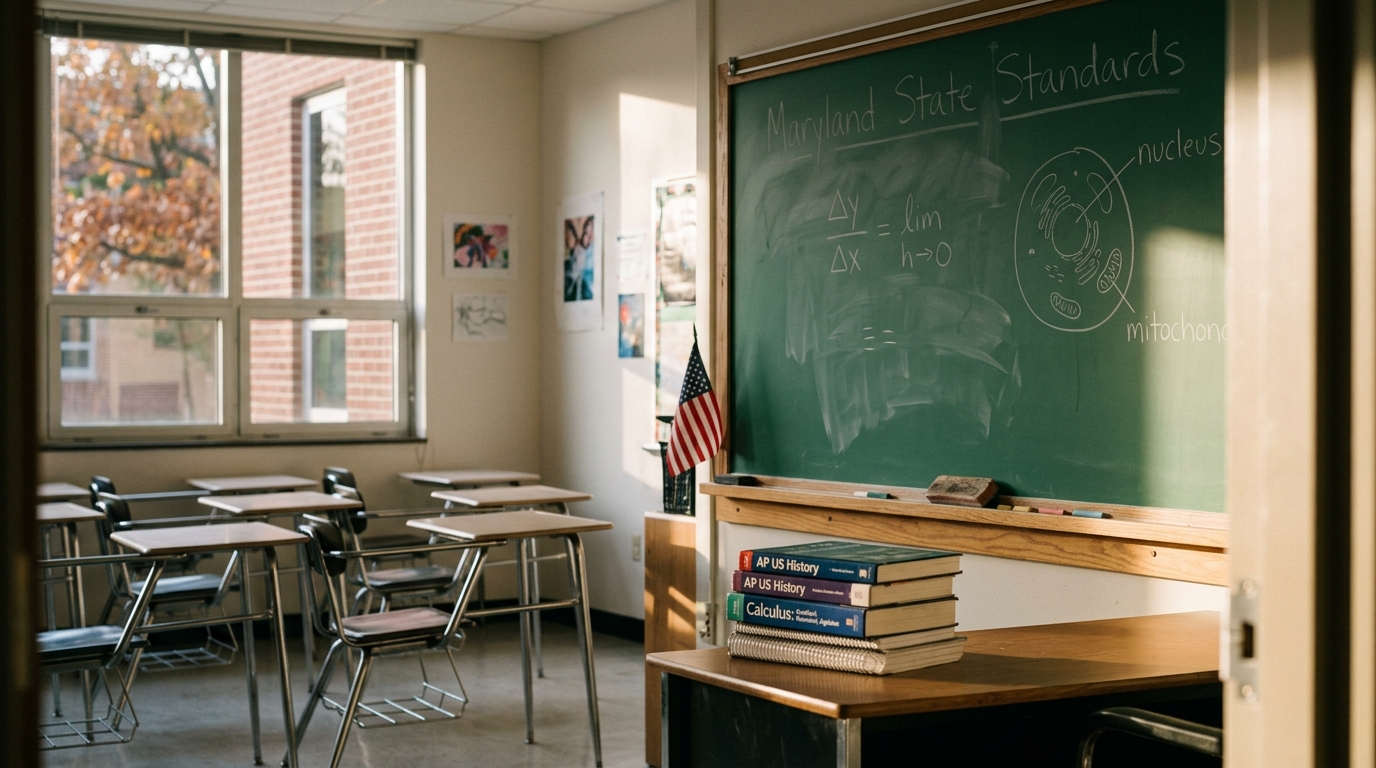
Poolesville High Named Maryland's Best, Montgomery County Dominates State Rankings
Poolesville High School has been named the best public high school in Maryland by education website Niche, leading a strong showing for Montgomery County Public Schools with five institutions in the state's top ten.

Prince Edward Visits Mount Vernon, Marking America's 250th Milestone in Fairfax County
Prince Edward, the Duke of Edinburgh, made a symbolic visit to George Washington's Mount Vernon in Fairfax County last Thursday, marking an early commemoration of America's upcoming 250th birthday and highlighting the enduring US-UK relationship.