DC Council Passes New Parking Enforcement Bill: What It Means for Washingtonians
Share this article
Understanding DC's Parking Predicament
Washington, D.C., is a city of distinct neighborhoods, vibrant commercial corridors, and a constant influx of residents and visitors. This unique blend creates a perpetual parking challenge. From the bustling streets of Georgetown and Adams Morgan to the residential zones of Capitol Hill and Cleveland Park, finding a convenient and legal parking spot can feel like winning the lottery. The District Department of Transportation (DDOT) and the Department of Public Works (DPW) manage an intricate system of residential parking permit (RPP) zones, metered parking, rush hour restrictions, and commercial loading zones, all designed to balance competing demands for curb space. The city's approach to parking isn't just about convenience; it's a critical component of traffic management, urban planning, and even city revenue. Parking regulations aim to keep traffic flowing, ensure emergency vehicle access, support local businesses, and provide reasonable access for residents. However, the system is also a significant source of frustration, with drivers often feeling caught between unclear signage, rapidly changing rules, and steep fines.What a New Enforcement Bill Typically Addresses
When the D.C. Council passes a "new parking enforcement bill," it often targets several key areas to improve efficiency, fairness, or revenue generation. While the specifics of this particular bill are still emerging from the legislative process, historically, such measures in D.C. have often focused on: * **Adjusting Fines and Penalties:** One of the most direct impacts of enforcement legislation is often a change in the cost of a parking violation. This could mean increased fines for certain infractions, new tiered penalty structures, or even adjustments to late fees. * **Expanding or Modifying Enforcement Zones:** The bill might introduce new areas where enforcement is stricter, alter the hours of existing restrictions, or redefine the boundaries of residential parking permit zones. * **Introducing New Technologies:** Modern parking enforcement often leverages technology, from license plate recognition (LPR) systems to smart meters. A new bill could authorize the use of advanced tools to identify violations more efficiently or to streamline the payment and appeals process. * **Addressing Specific Types of Violations:** The legislation might specifically target persistent issues like double-parking in certain commercial areas, blocking bike lanes, or parking in loading zones without proper authorization. * **Streamlining the Appeals Process:** While less common for "enforcement" bills, sometimes related legislation can include provisions to make the process of disputing a ticket more accessible or transparent for residents.The Legislative Journey in the District
A bill's journey through the D.C. Council is a thorough, multi-step process. It begins with introduction by a Councilmember, often following public input or agency recommendations. The bill is then assigned to a committee for review, where public hearings may be held, and amendments can be proposed. Once it passes out of committee, it goes before the full Council for a first reading, and then a second, final vote. This recent bill has successfully cleared this critical Council hurdle. After the Council's final vote, the bill heads to the Mayor's desk. The Mayor can sign it into law, allow it to become law without signature, or veto it. If vetoed, the Council can override the veto with a two-thirds majority. Finally, even after the Mayor's action, D.C. laws are subject to a 30-day Congressional review period, during which the U.S. Congress has the power to reject the legislation. Only after this period, assuming no Congressional objection, does a bill become officially enacted and published in the D.C. Register. This means that while the Council has acted, there are still a few steps before residents see the full impact of these changes on the streets.What This Could Mean for Washingtonians
For the average Washingtonian, a new parking enforcement bill carries direct implications. If the bill includes increased fines, it means a higher cost for accidental (or intentional) violations. If it focuses on specific areas or times, it demands greater vigilance from drivers. For residents in RPP zones, changes might affect guest parking, permit eligibility, or the overall availability of spaces on their street. Businesses, particularly those in retail and hospitality, also have a vested interest. Easier, more predictable parking can attract customers, while stricter enforcement without adequate alternatives can deter them. Delivery services, which often face the challenge of finding legal loading zones in busy areas, could see new regulations that either help or hinder their operations. It's also worth noting the broader impact on city infrastructure and planning. Revenue generated from parking fines is often reinvested into transportation projects, public services, or maintenance. So, while the immediate focus might be on avoiding a ticket, the underlying aim is often to support the city's overall functioning and quality of life. Understanding these implications helps residents advocate for policies that truly serve the community's needs. Residents should pay close attention as the specific language of the bill becomes public and as DDOT and DPW roll out new guidelines or educational campaigns. Staying informed about changes to parking signage, digital enforcement tools, and appeal procedures will be key to adapting to the new landscape. The conversation around parking in D.C. is never truly settled, and this latest legislative action is another chapter in the city's ongoing effort to manage its bustling streets.📍 Local Resources
Information on parking enforcement, how to pay tickets, and options for disputing violations.
Details on residential parking permits, meter operations, parking regulations, and transportation planning.
Provides independent hearings for parking ticket disputes and other D.C. government infractions.
Explore more on this topic
Related Stories
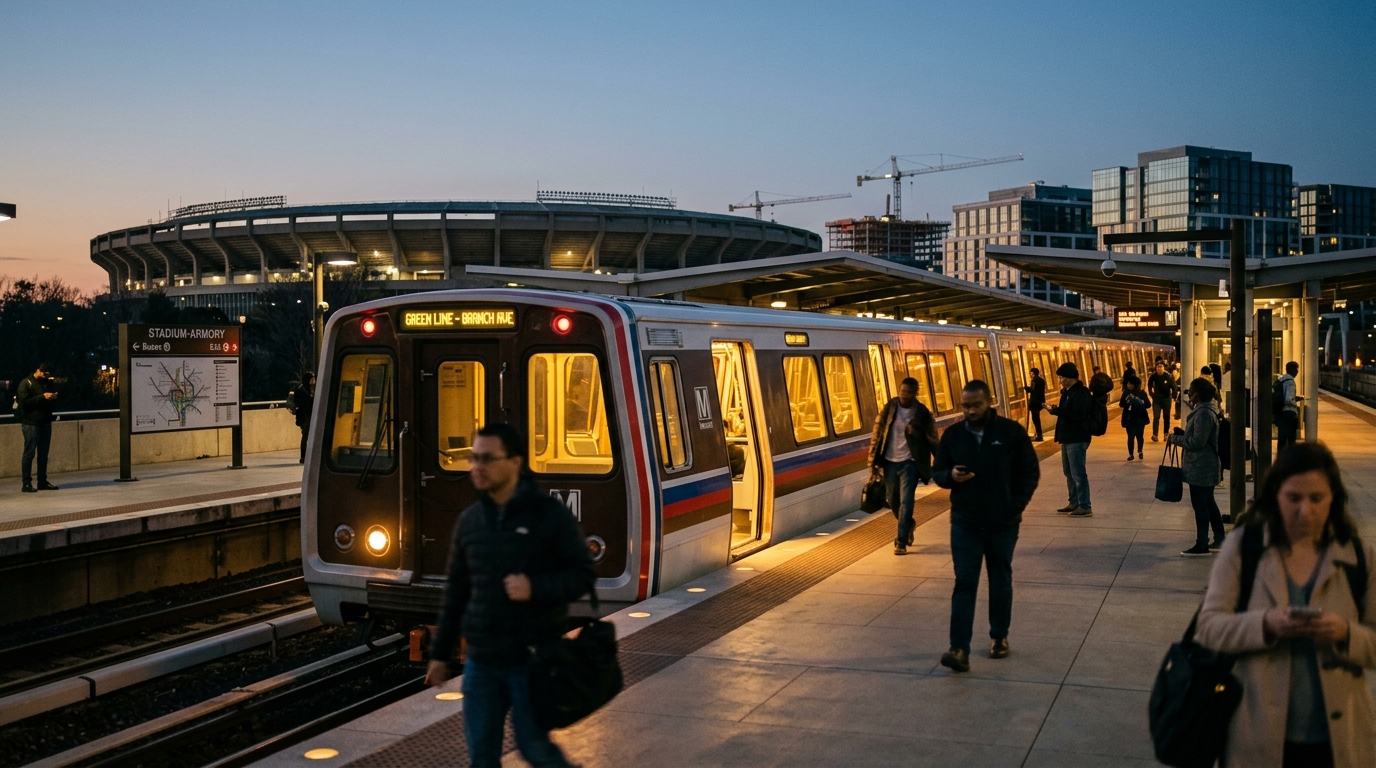
D.C. Council Greenlights $305 Million for Metro and Bus Upgrades Near RFK Stadium Site
The D.C. Council has approved $305 million for major Metro and bus upgrades near the RFK Stadium site, with most funds targeting the Stadium-Armory rail station to accommodate future visitors. This significant investment prepares the area for anticipated redevelopment and aims to enhance public transit accessibility for residents and event-goers.
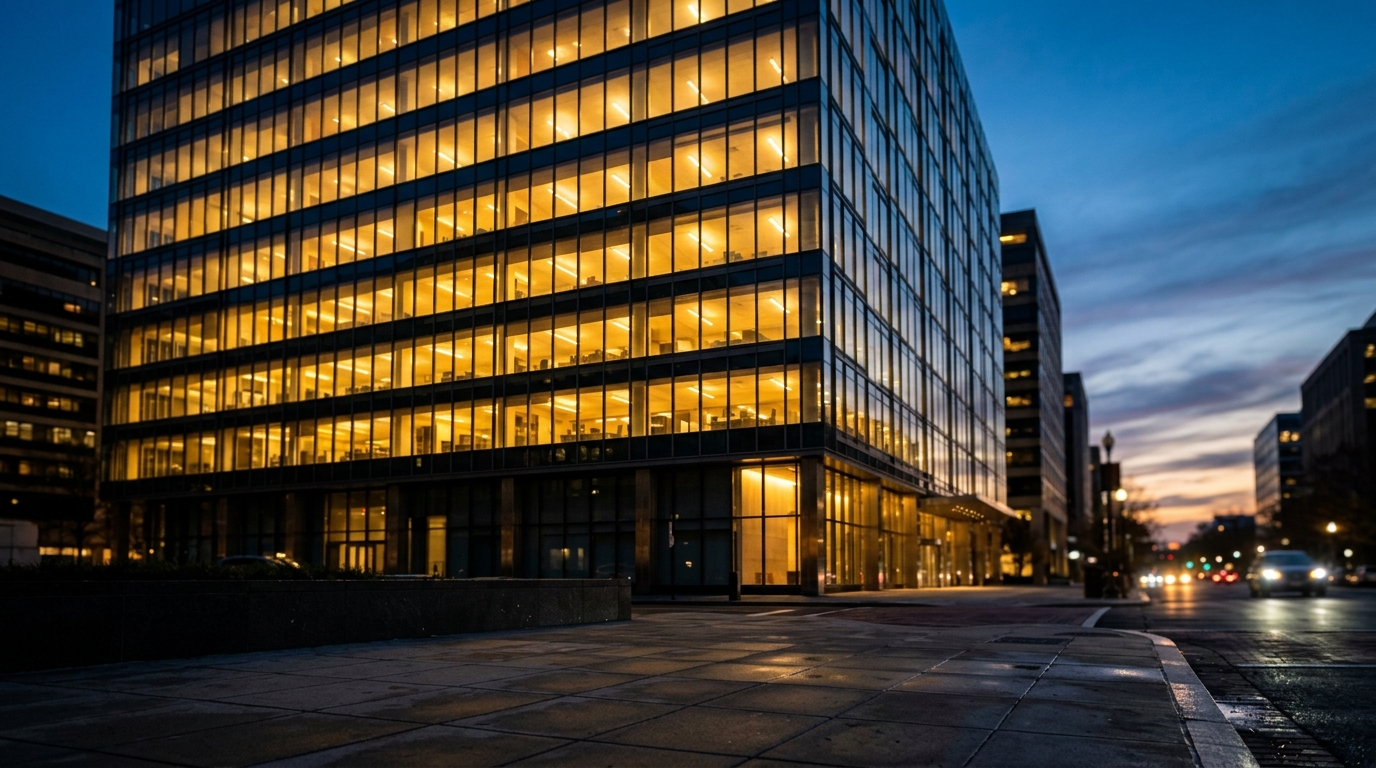
D.C. Union Leader Sounds Alarm on Waymo's Threat to Local Driving Jobs
A D.C. union leader has raised serious concerns that the expansion of autonomous vehicle technology, particularly from companies like Waymo, could put thousands of local driving jobs at risk in Washington, D.C. The warning highlights a critical challenge for the capital's workforce and economy as technological advancements reshape traditional industries.
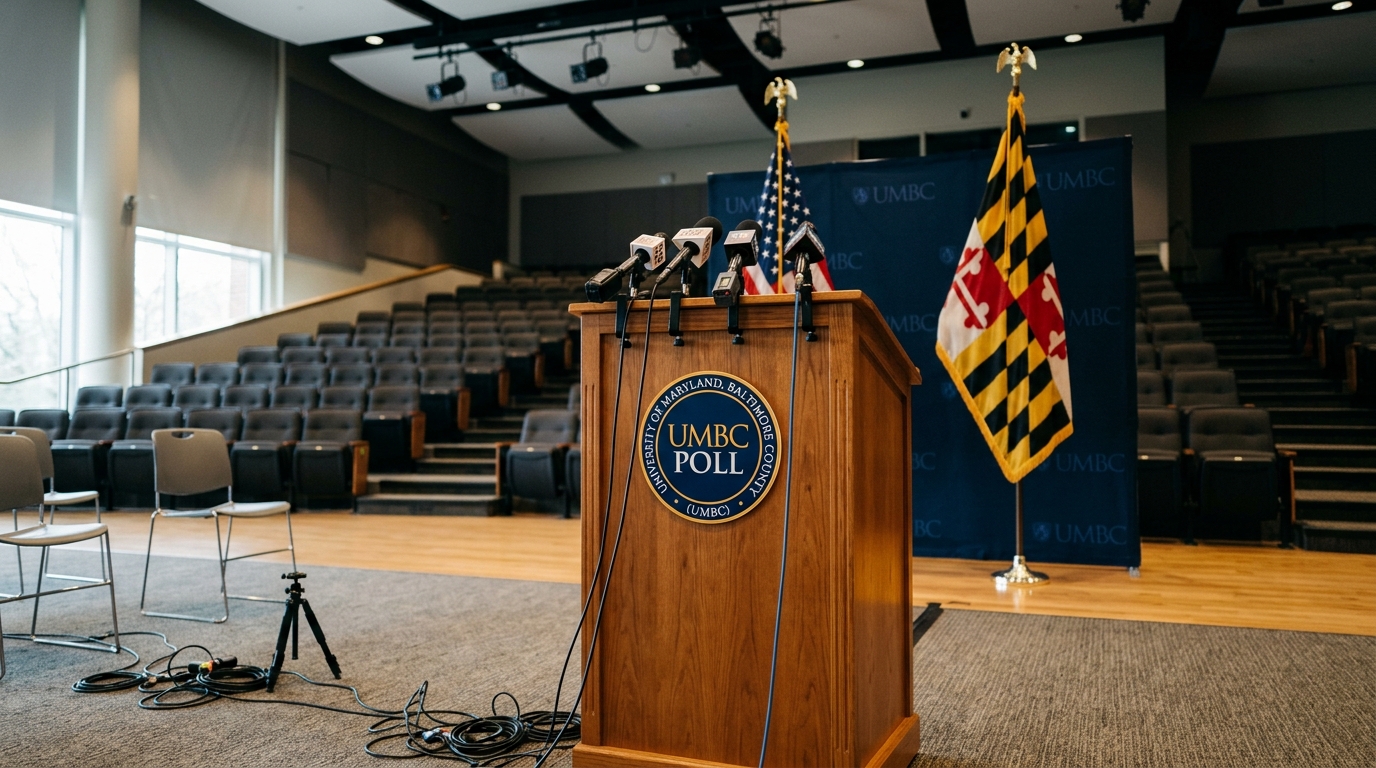
UMBC Poll Shows Wes Moore with Commanding Lead Over Dan Cox in Maryland Gubernatorial Race
A new poll from UMBC indicates Democratic candidate Wes Moore holds a significant 2-to-1 lead over Republican Dan Cox in the Maryland gubernatorial race, signaling a potentially challenging path for Cox and strong momentum for Moore as Election Day nears. This substantial margin offers a key snapshot of voter sentiment across the Old Line State.