DC Set to Be Second-Worst Large City for Driving by 2026, Study Forecasts
Share this article
Understanding the Current Commute Crisis
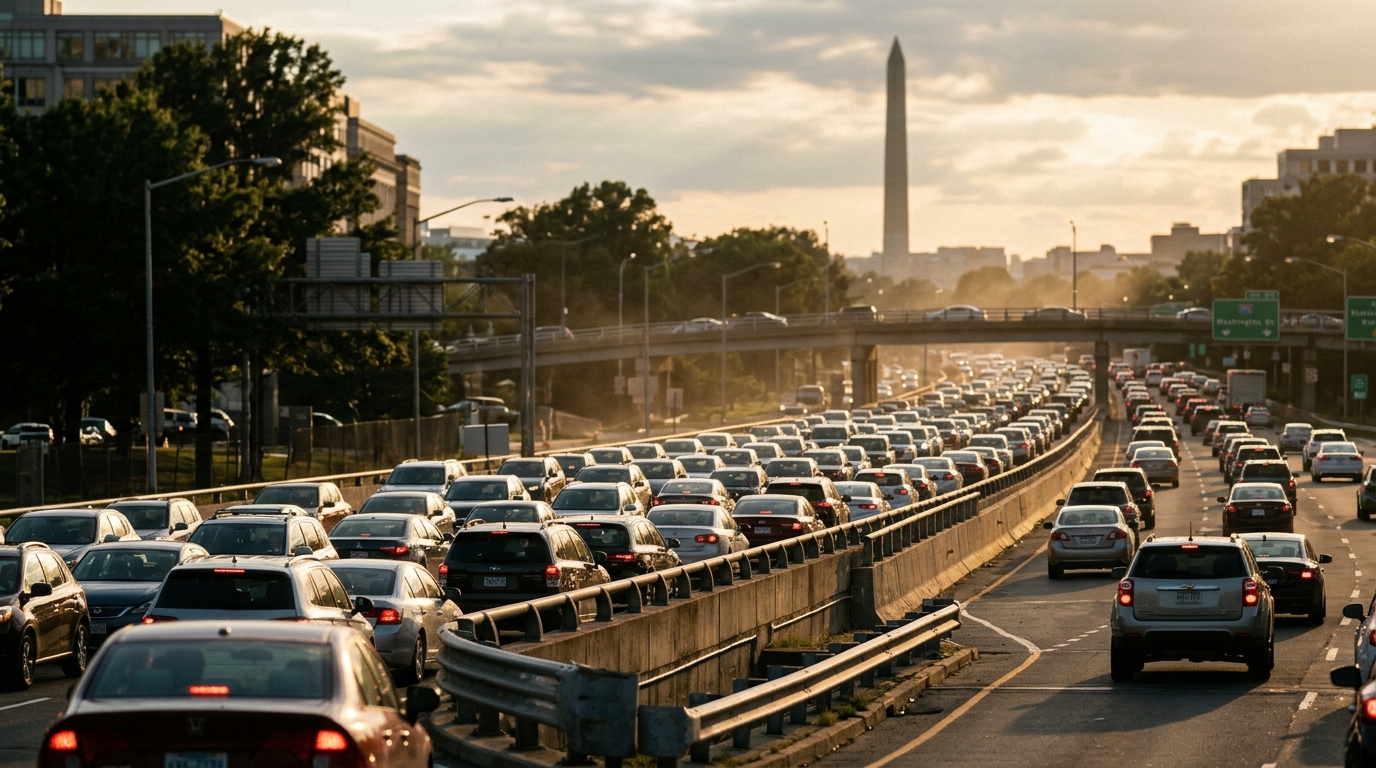
Even without a crystal ball, anyone who regularly drives in DC knows the situation is already tough. The District's unique position as a federal hub, surrounded by dense residential areas in Maryland and Virginia, creates a perfect storm for gridlock. Thousands of federal employees, contractors, and private sector workers pour into the city each day, often relying on personal vehicles despite robust public transit options. The sheer volume of vehicles often overwhelms the existing road infrastructure, much of which was designed decades ago. Construction projects, while necessary for long-term improvement, frequently exacerbate current congestion. Lane closures, detours, and ongoing work on major arteries like I-395 and I-66 are common sights, adding unexpected delays to even short trips.What This Forecast Means for DMV Residents
A ranking as the "second-worst" for driving isn't just about longer commute times. It has ripple effects across the entire DMV region. For businesses, increased traffic can mean higher transportation costs, delayed deliveries, and difficulty attracting employees who face grueling commutes. For residents, it translates to more money spent on gas, increased wear and tear on vehicles, and less time at home with family or pursuing leisure activities. Moreover, the environmental impact of prolonged idling in traffic is significant, contributing to air pollution and carbon emissions. Public health concerns related to stress and sedentary lifestyles, often linked to long commutes, could also see an uptick. The forecast signals a potential breaking point for many who rely on their cars to get around, pushing more people to reconsider their living arrangements or transportation choices.Ongoing Efforts and Future Challenges
The District Department of Transportation (DDOT) consistently works on projects aimed at improving traffic flow, enhancing public safety, and promoting alternative transportation methods. These efforts include smart traffic signal technology, bike lane expansion, and pedestrian-friendly initiatives. However, the pace of urban development and population growth often outstrips the ability to implement solutions quickly enough. Public transit, primarily the Washington Metropolitan Area Transit Authority (WMATA) Metro system, is a vital alternative for many commuters. Yet, challenges with service reliability, ongoing maintenance, and recent safety concerns have sometimes pushed riders back towards their cars. Encouraging more residents to utilize buses, trains, and ride-sharing services will be crucial in mitigating the forecast traffic woes. Organizations like Commuter Connections actively promote carpooling, vanpooling, and telework options to reduce the number of single-occupancy vehicles on the road.Looking Ahead to 2026 and Beyond
The year 2026 is less than two years away, meaning any significant changes needed to avert this grim forecast would have to be implemented with urgency. This projection should serve as a wake-up call for city planners, transportation officials, and residents alike. It highlights the critical need for continued investment in infrastructure, innovative traffic management strategies, and robust, reliable public transportation. For those living in or commuting to DC, this study reinforces the importance of planning ahead, exploring alternative routes, and considering public transit or flexible work arrangements where possible. The conversation around urban planning, sustainable transportation, and quality of life in the District will undoubtedly intensify as 2026 approaches.📍 Local Resources
Information on DC road projects, traffic management, and transportation initiatives.
Real-time alerts, schedules, and information for Metro rail and bus services.
Resources for carpooling, vanpooling, telework, and other alternative commute options in the DMV region.
Explore more on this topic
Related Stories
Westbound I-66 Snarled by Afternoon Car Fire Near Route 267 in Arlington
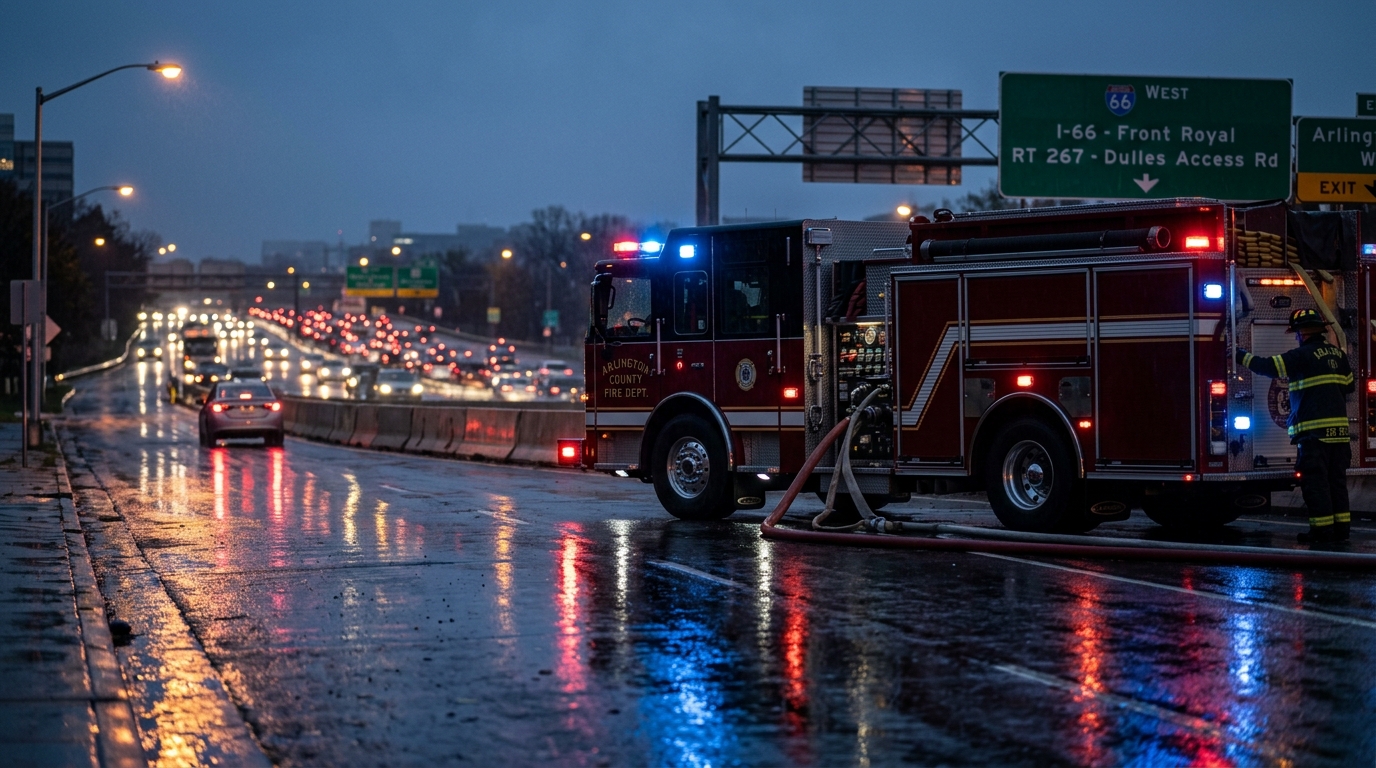
A vehicle fire on westbound I-66 near the Route 267 interchange yesterday afternoon caused significant traffic backups, snarling commutes for thousands in Arlington and Northern Virginia.
Purple Line's Opening Date Remains "Dynamic" as Construction Nears Finish in Montgomery County and Beyond
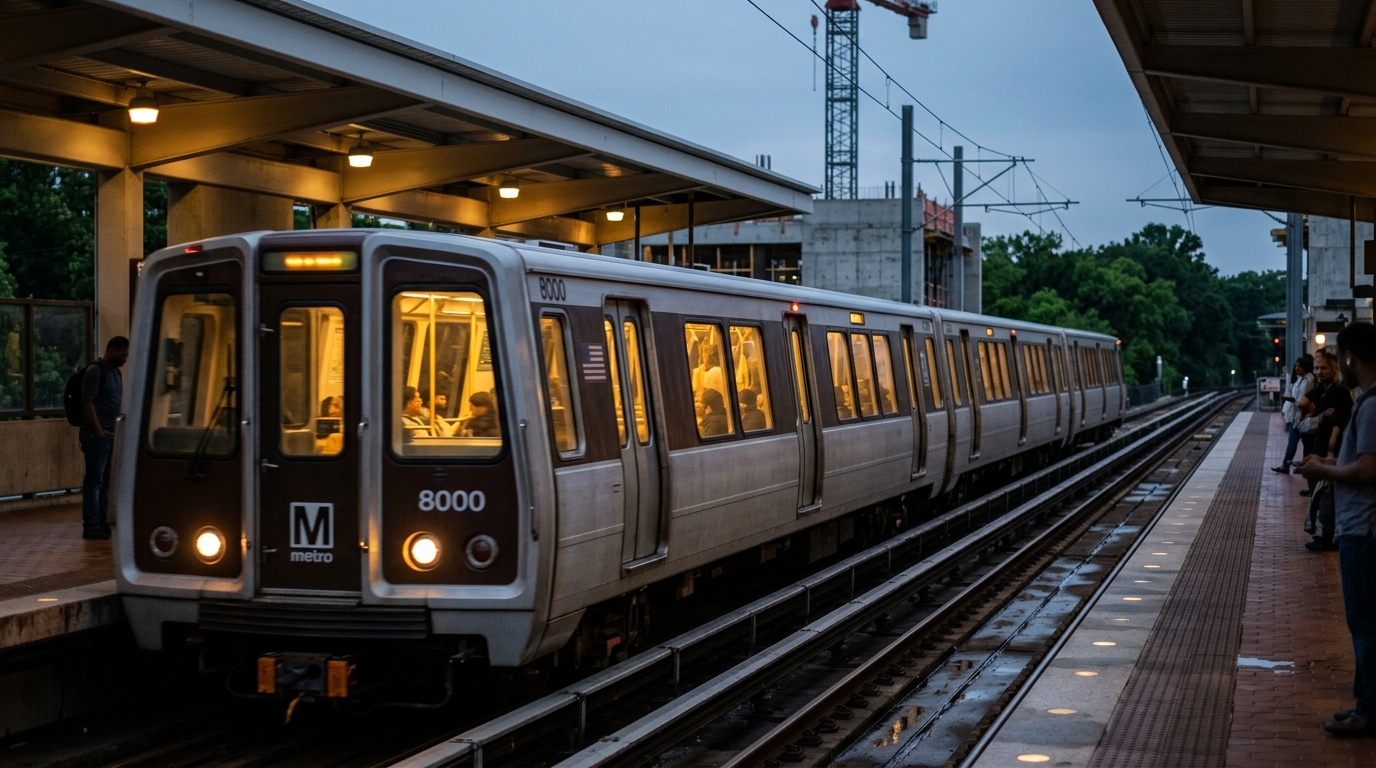
The Purple Line, a 16-mile light rail project connecting New Carrollton to Bethesda, is 92% complete, but its official opening date remains "dynamic," according to Maryland Transit Administration officials. While a contractual date of December 2027 exists, safety testing could push the launch into early 2028.
Major Delays on Maryland Beltway After Tractor-Trailer Crash Blocks Lanes
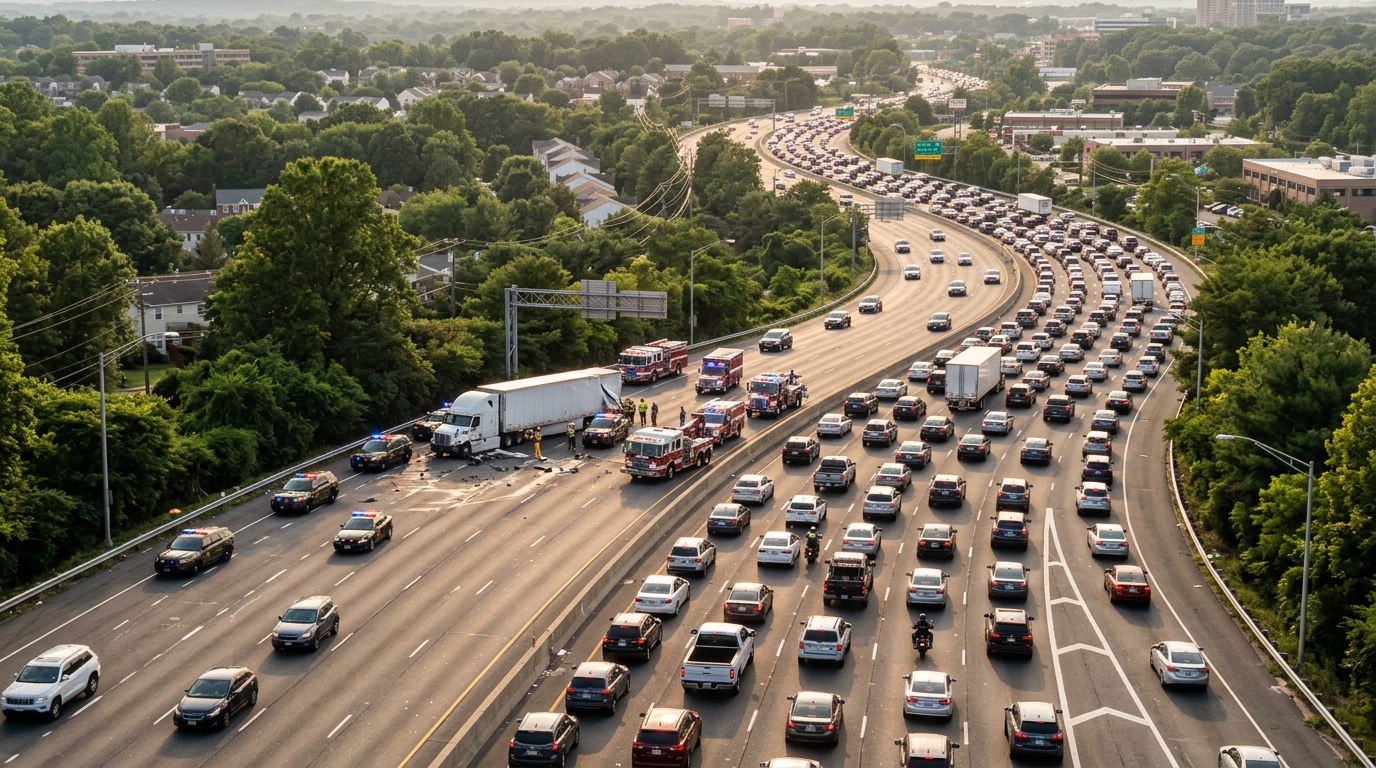
A significant crash involving a tractor-trailer on the Capital Beltway in Maryland blocked two lanes, causing major traffic delays and requiring emergency evaluation of multiple patients. The incident highlights ongoing traffic challenges on I-495 for DMV commuters.