DMV Homeowners Turn to Rain Gardens to Tackle Heavy Downpours and Protect the Chesapeake Bay
Share this article
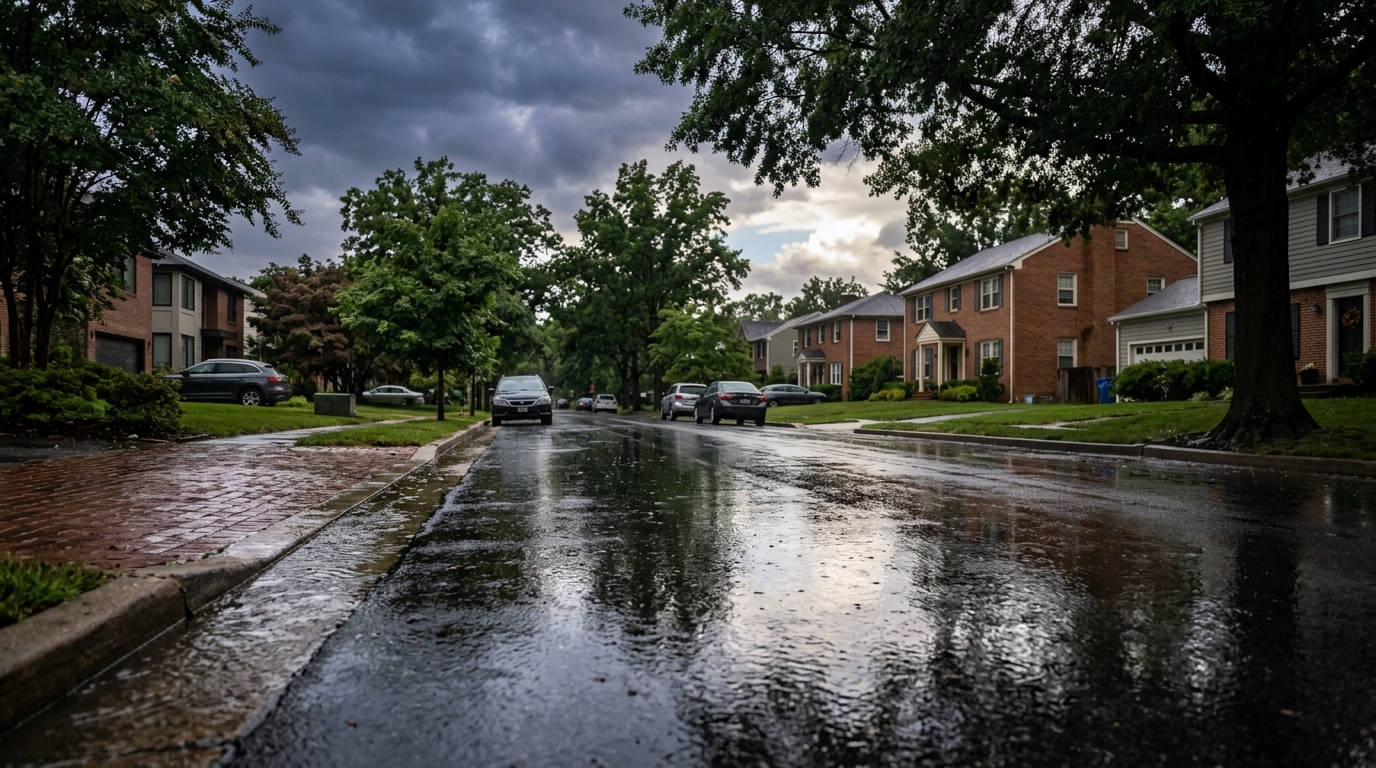
The Rising Tide of Runoff Challenges
Our climate is changing, and with it, the frequency and intensity of rainfall. This means more water hitting impervious surfaces like rooftops and pavement, which then rushes across properties, picking up everything from fertilizer and pesticides to oil and pet waste. This polluted cocktail, known as stormwater runoff, is a major problem for the DMV. It doesn't just cause localized flooding in basements and soggy lawns; it also carries harmful contaminants straight into our streams, rivers, and ultimately, the Chesapeake Bay [1].How Rain Gardens Work Their Magic
A rain garden is essentially a shallow depression in the landscape, strategically placed to intercept runoff. It’s filled with a special mix of soil – typically sand, compost, and existing soil – that allows water to percolate slowly into the ground [1]. The key players are native plants, chosen for their ability to thrive in both wet and dry conditions, and for their deep root systems. These deep roots do double duty: they help the soil absorb more water, and they create channels that allow water to infiltrate even deeper, recharging groundwater supplies. As water slowly filters through the soil and plant roots, pollutants are naturally removed, preventing them from reaching our local streams and the Bay. It’s a natural filtration system, right in your backyard. Beyond their environmental benefits, rain gardens also offer aesthetic appeal. They can be beautiful additions to any landscape, providing vibrant colors and textures throughout the growing season. They also create valuable habitat for local pollinators like bees and butterflies, boosting biodiversity right at home. Plus, improving your property's stormwater management can even increase its overall value according to the DC Department of Energy & Environment.Getting Started in Your DMV Yard
Thinking about adding a rain garden to your property? It's a project that requires a bit of planning but offers significant rewards. First, careful site selection is crucial. You'll want to place it at least 10 feet away from your home's foundation to avoid moisture issues and steer clear of any underground utility lines [1]. Next comes the design. The garden should be a shallow basin, designed to hold water temporarily after a storm. The soil mix is vital for proper drainage and filtration. Finally, choosing the right native plants is key. Look for species that are adapted to the DMV's climate and can tolerate both periods of saturation and drought. Local nurseries specializing in native plants can be a great resource, as can county extension offices and environmental organizations like the Chesapeake Bay Foundation. While rain gardens are relatively low-maintenance once established, they do require some attention. Initial weeding, mulching, and occasional plant replacement will keep your garden thriving and performing its best. Many local governments in the DMV, including those in Maryland and Virginia, offer resources and sometimes even incentives for homeowners to install these eco-friendly features. For example, the Maryland Department of the Environment provides guidance on stormwater best management practices. For DMV residents, embracing rain gardens offers a tangible way to combat the effects of increased rainfall and contribute directly to a healthier local environment. As spring rains become a regular feature, consider how a rain garden might transform your yard into a beautiful, functional asset for both your home and the community. Keep an eye out for local workshops and rebate programs that can help you get started on your own green infrastructure project.📍 Local Resources
Information on stormwater management, rain garden guides, and potential rebate programs for DC residents.
Provides resources, plant guides, and workshops for creating rain gardens and other Bay-friendly landscaping.
Offers expert advice, plant recommendations, and educational materials for sustainable gardening, including rain gardens, for Maryland residents.
Explore more on this topic
Related Stories
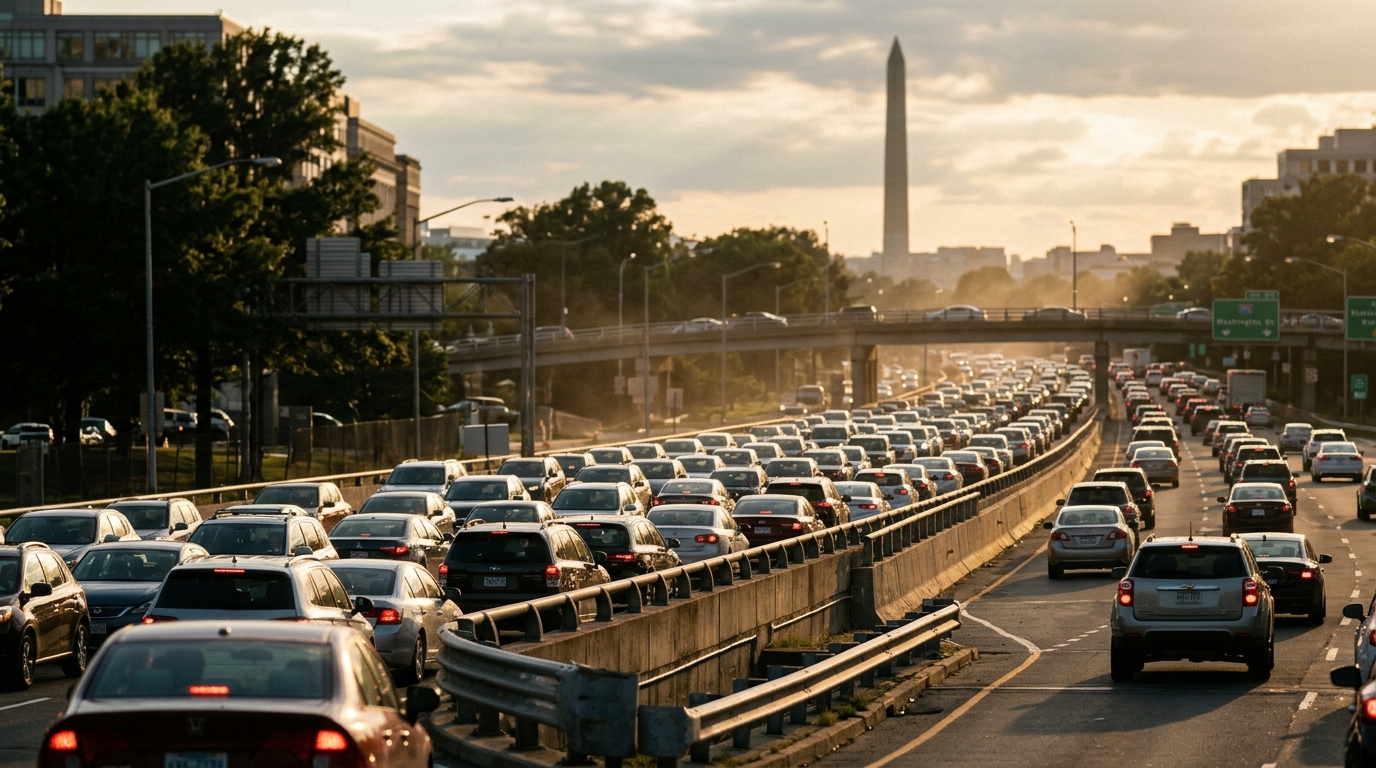
DC Set to Be Second-Worst Large City for Driving by 2026, Study Forecasts
A new study predicts that by 2026, Washington, DC will be the second-worst large U.S. city for driving, signaling a worsening outlook for already congested DMV commutes.

Westbound I-66 Snarled by Afternoon Car Fire Near Route 267 in Arlington
A vehicle fire on westbound I-66 near the Route 267 interchange yesterday afternoon caused significant traffic backups, snarling commutes for thousands in Arlington and Northern Virginia.
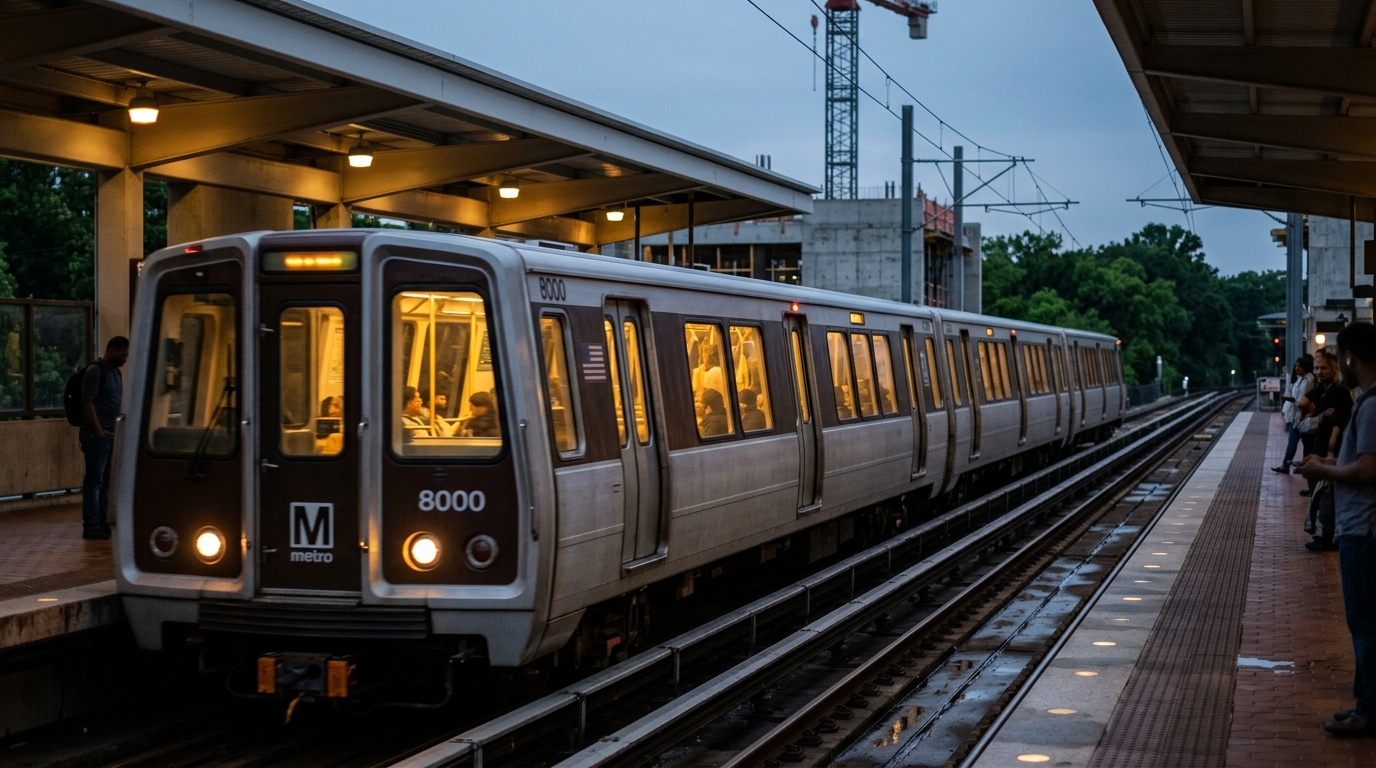
Purple Line's Opening Date Remains "Dynamic" as Construction Nears Finish in Montgomery County and Beyond
The Purple Line, a 16-mile light rail project connecting New Carrollton to Bethesda, is 92% complete, but its official opening date remains "dynamic," according to Maryland Transit Administration officials. While a contractual date of December 2027 exists, safety testing could push the launch into early 2028.