Supreme Court Justices Grill Both Sides in Maryland Redistricting Battle
Share this article
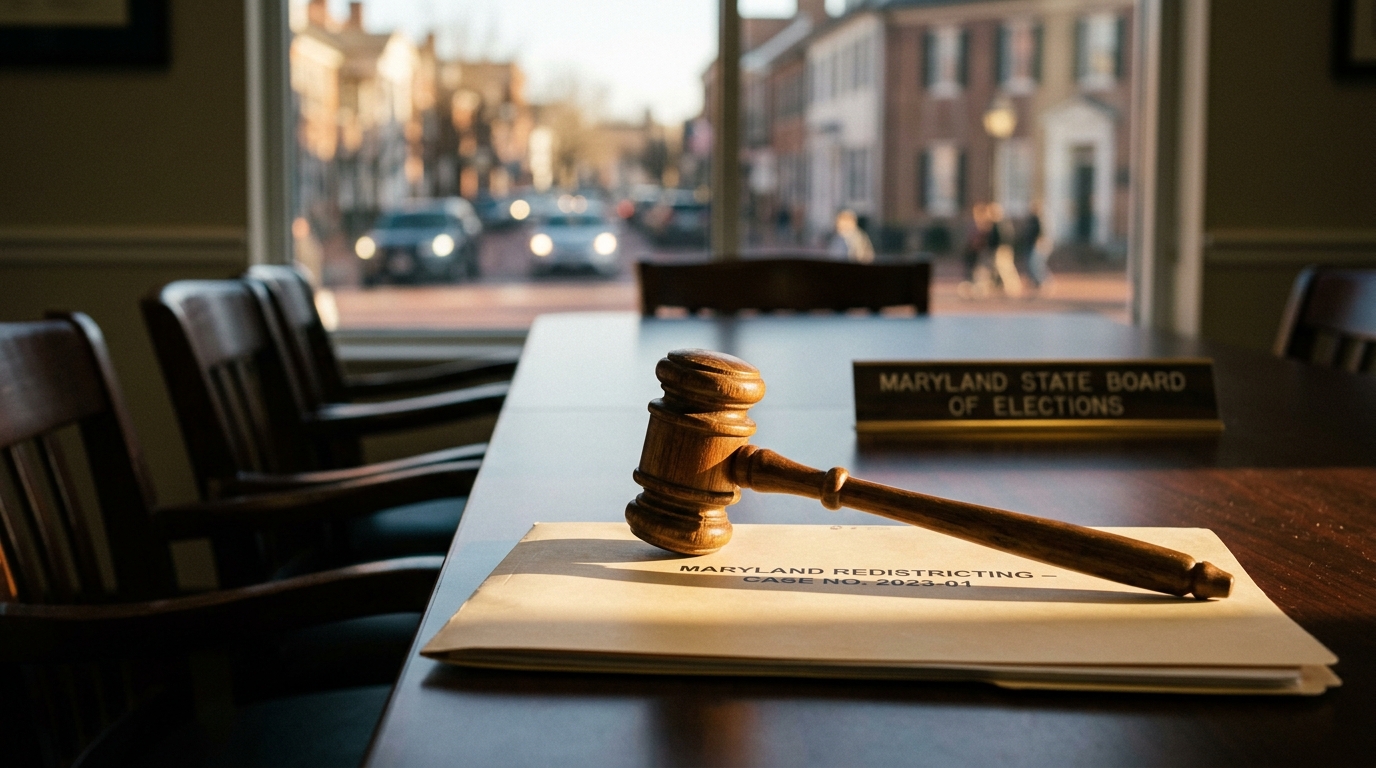
The Heart of the Redistricting Debate
For many in the DMV, the conversation around redistricting isn't just abstract political maneuvering; it directly impacts who represents them in Congress and the state legislature. Maryland's electoral maps have a history of drawing scrutiny, with critics often arguing that the lines have been drawn to give one party an unfair advantage. This practice can dilute the voting power of certain communities and make elections less competitive, leading to a sense of disenfranchisement among voters whose voices feel marginalized by oddly shaped districts. The Supreme Court stepping into this fray underscores the constitutional questions often raised by such maps. Challenges typically center on whether the maps violate voters' rights, discriminate against certain groups, or otherwise undermine fair representation. These are complex legal questions, often without easy answers, requiring justices to weigh competing interests and legal precedents.Arguments Before the Justices
During the recent arguments, the Supreme Court justices engaged attorneys representing both sides of the Maryland redistricting dispute. The phrase "down-to-the-wire" suggests a session marked by rigorous questioning and a deep dive into the legal intricacies of the case. Such arguments are typically high-pressure environments where lawyers present their best case, attempting to persuade the justices that their interpretation of the law and the facts should prevail. Justices often use these arguments to explore the full implications of a potential ruling, probing for weaknesses in legal arguments and considering the practical effects on voters and future elections. Their questions can range from technical details about how district lines were drawn to broader constitutional principles guiding fair elections. The back-and-forth is a crucial part of the judicial process, helping the Court clarify complex issues before rendering a decision. Residents interested in understanding the broader context of Maryland's electoral process can find more information on the Maryland State Board of Elections website.What's at Stake for Maryland Voters
For residents across Maryland, particularly those in areas like Montgomery County, Frederick County, and parts of Northern Virginia that border the state, the outcome of this Supreme Court case could redefine their political landscape. Congressional and state legislative districts determine which neighborhoods are grouped together, influencing everything from local infrastructure projects to federal funding priorities. A ruling from the Supreme Court could compel Maryland to redraw its maps, potentially shifting the balance of power in Annapolis and even impacting the composition of the state's delegation to the U.S. House of Representatives. This means that the votes cast by individual Marylanders could hold different weight depending on how these lines are ultimately drawn. Understanding the state's government structure is key, and resources like Maryland.gov offer comprehensive details. The decision will undoubtedly have a ripple effect, influencing not only the upcoming election cycles but also shaping the political discourse for the next decade. It underscores how critical legal challenges to redistricting are, as they touch the fundamental principles of representative democracy.The Road Ahead
With arguments concluded, the Supreme Court justices will now deliberate. There's no set timeline for when a decision will be announced, but major rulings are often released by the end of the Court's term, typically in late June. The Court's decisions are final and binding, setting precedents that can influence redistricting efforts nationwide. For those keen on following the Court's activities, the Supreme Court of the United States website provides updates on cases and opinions. DMV residents should keep an eye on this developing story. The Court's eventual ruling will not only determine the shape of Maryland's political map but could also send a powerful message about the permissible limits of partisan gerrymandering in the country. The impact on local elections, representation, and the overall political climate in Maryland will be significant, and understanding these shifts will be crucial for informed civic participation.Explore more on this topic
Related Stories

Rep. Spanberger Announces $1.3 Million Boost for Virginia Nursing Students
U.S. Representative Abigail Spanberger has announced $1.3 million in scholarships and incentives for nursing students in Virginia, a critical boost for the state's healthcare workforce facing persistent shortages. This funding aims to make nursing education more accessible and encourage more professionals to serve in local hospitals and clinics.

Fairfax Leaders Urged by State Legislators to Adopt 'Respectful' Tone in K-12 Funding Talks
State legislators are urging Fairfax County supervisors and school board members to adopt a more "respectful" tone when discussing state funding for K-12 education, highlighting frustrations over current rhetoric.
DC Council Passes New Parking Enforcement Bill: What It Means for Washingtonians
The D.C. Council has passed a new parking enforcement bill, signaling potential changes for drivers, businesses, and residents across the District. This legislative action aims to refine how the city manages its curb space, impacting everything from traffic flow and safety to daily commutes and local commerce. Washingtonians should prepare for possible adjustments to fines, enforcement zones, and the overall parking landscape.