Fairfax Leaders Urged by State Legislators to Adopt 'Respectful' Tone in K-12 Funding Talks
Share this article
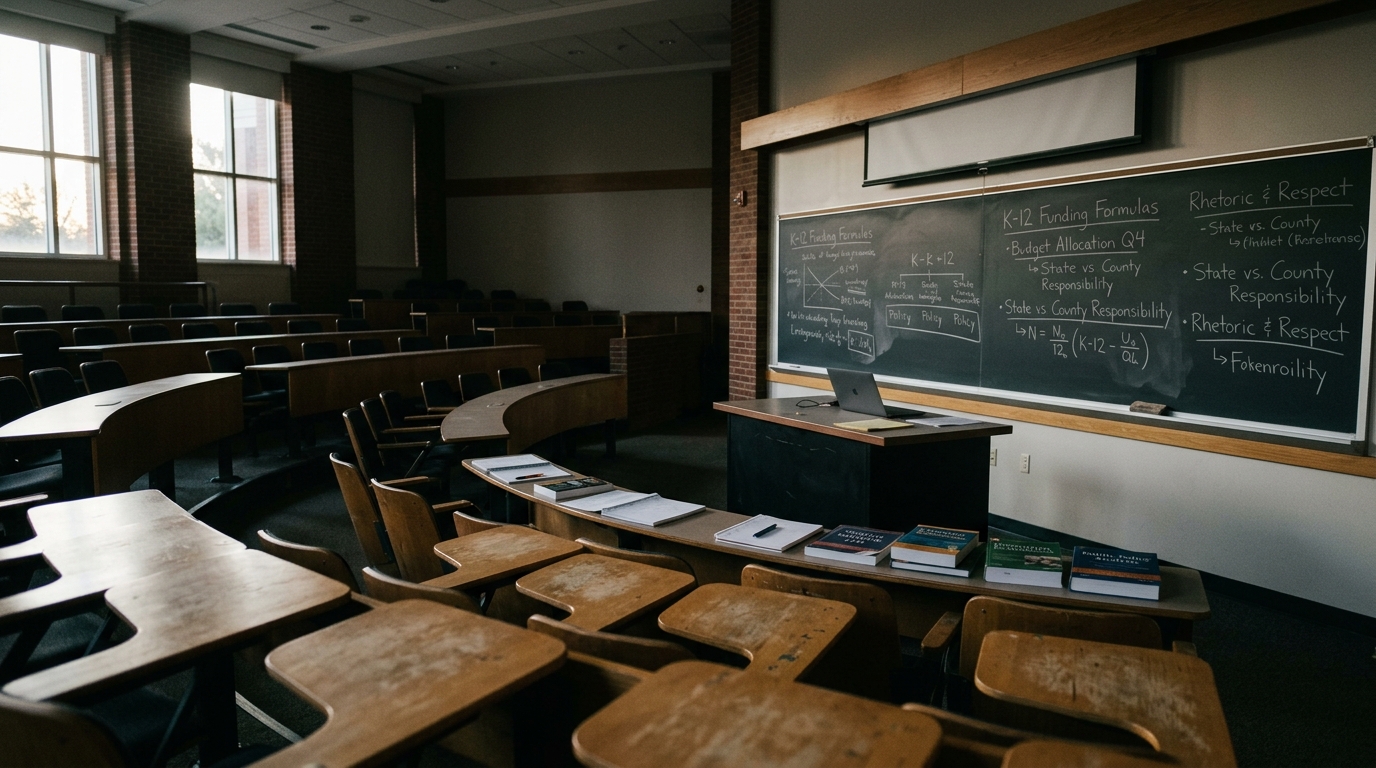
A Plea for Civility in Public Discourse
The heart of the matter, according to state legislators, is the tone of public statements made by county and school officials. Delegate Kathy Tran (D-18), a key voice in the discussion, emphasized the need for a collaborative spirit."Be respectful. We are all trying to do the same thing, which is to make sure our children get the best education they can. There are different ways to get there." — Delegate Kathy Tran (FFXnow)Tran's comments underscore a desire to shift the focus from perceived grievances to constructive problem-solving. While local leaders often advocate fiercely for more state funding, the state delegation appears to be suggesting that the methods of advocacy are becoming counterproductive. This dynamic is crucial for Fairfax County residents, as the quality of their children's education can often feel caught in the middle of these political back-and-forths. Understanding the intricacies of Virginia's education funding model, which blends state and local contributions, is essential for any productive discussion.
The State-Local Funding Tango
Education funding in Virginia is a complex dance between the state and its localities. The Commonwealth provides a significant portion of school budgets through various formulas, but local governments are also expected to contribute substantial funds, often through property taxes. Fairfax County, with its large and diverse student population, has long argued that state funding doesn't fully cover its needs, especially given the high cost of living and operations in Northern Virginia.Impact on Fairfax County Schools and Families
For the nearly 180,000 students enrolled in Fairfax County Public Schools, and their families, the tone of this dialogue can feel distant from their everyday concerns about classroom sizes, teacher salaries, and school resources. Yet, the outcome of these funding discussions directly impacts these very issues. When state and local leaders are at odds, it can create uncertainty and make long-term planning more difficult for the school system. The call for "respectful dialogue" isn't just about politeness; it's about fostering an environment where both sides can work together to find solutions that genuinely benefit students. A more collaborative approach could lead to more effective advocacy for Fairfax County's unique needs, rather than a cycle of public criticism. The Fairfax County government's official budget documents provide a detailed look at local funding allocations for various services, including schools.What This Means for Fairfax Residents
This request from state legislators directly impacts Fairfax County residents by shaping the political climate in which critical decisions about public education are made. A contentious relationship between state and local leaders can slow down progress, create confusion, and potentially lead to less effective outcomes for school funding. For parents, educators, and taxpayers in Fairfax, a more harmonious dialogue could mean a clearer path to stable and robust funding for their schools. It's a reminder that how our elected officials communicate can be just as important as what they communicate. Moving forward, residents should pay close attention to statements from both the Fairfax County Board of Supervisors and the Fairfax County School Board, observing if and how their language shifts in response to the state delegation's appeal.📍 Local Resources
Information on school operations, budget, and educational programs.
Contact information for your district supervisor and meeting schedules for local governance.
Access to legislative information, including bills, committee meetings, and legislator contact details.
Explore more on this topic
Related Stories
DC Council Passes New Parking Enforcement Bill: What It Means for Washingtonians
The D.C. Council has passed a new parking enforcement bill, signaling potential changes for drivers, businesses, and residents across the District. This legislative action aims to refine how the city manages its curb space, impacting everything from traffic flow and safety to daily commutes and local commerce. Washingtonians should prepare for possible adjustments to fines, enforcement zones, and the overall parking landscape.
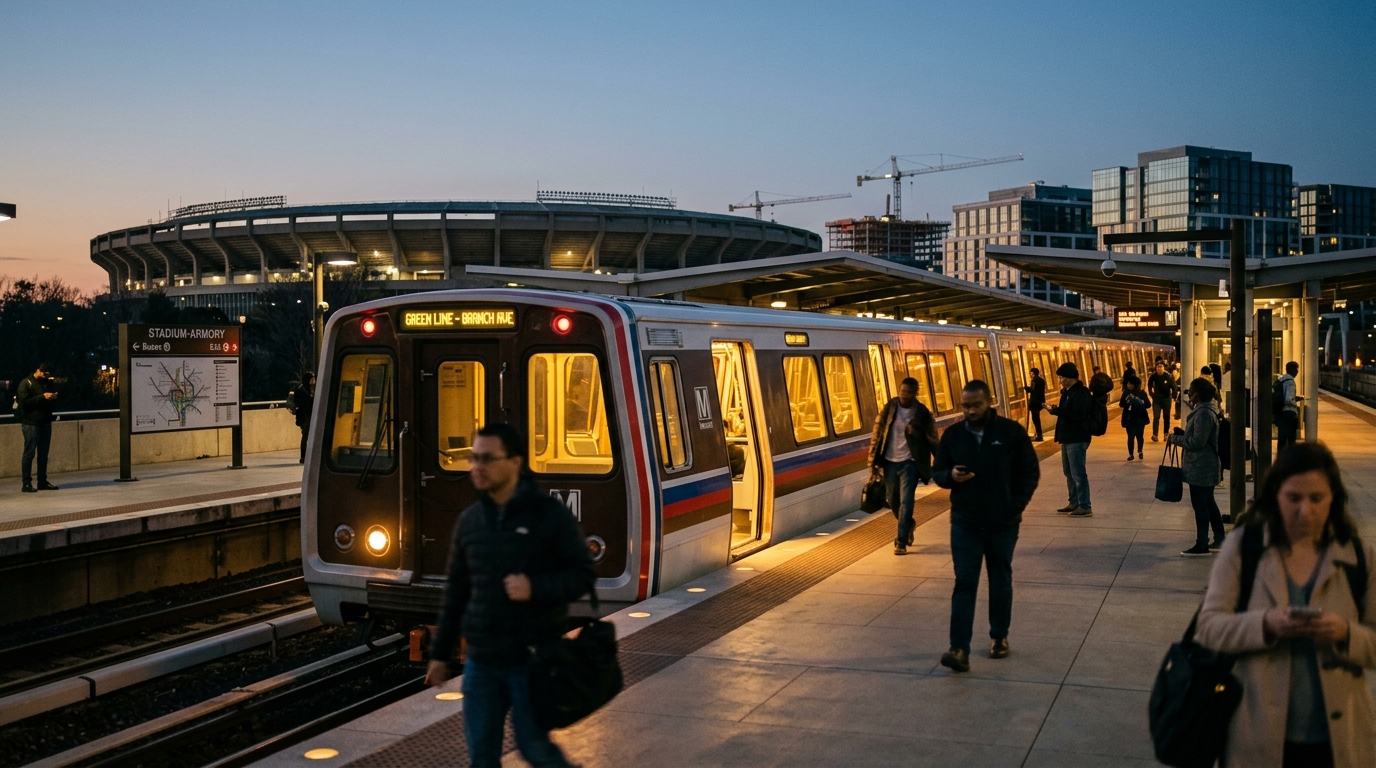
D.C. Council Greenlights $305 Million for Metro and Bus Upgrades Near RFK Stadium Site
The D.C. Council has approved $305 million for major Metro and bus upgrades near the RFK Stadium site, with most funds targeting the Stadium-Armory rail station to accommodate future visitors. This significant investment prepares the area for anticipated redevelopment and aims to enhance public transit accessibility for residents and event-goers.
D.C. Union Leader Sounds Alarm on Waymo's Threat to Local Driving Jobs
A D.C. union leader has raised serious concerns that the expansion of autonomous vehicle technology, particularly from companies like Waymo, could put thousands of local driving jobs at risk in Washington, D.C. The warning highlights a critical challenge for the capital's workforce and economy as technological advancements reshape traditional industries.