The daily trek for countless Washington, D.C., area commuters just got a grim new distinction: it's now considered one of the absolute worst in the entire country. For anyone navigating the region's notoriously congested roadways and transit lines, this news likely comes as less of a surprise and more of a confirmation of their everyday struggle. According to a recent report by
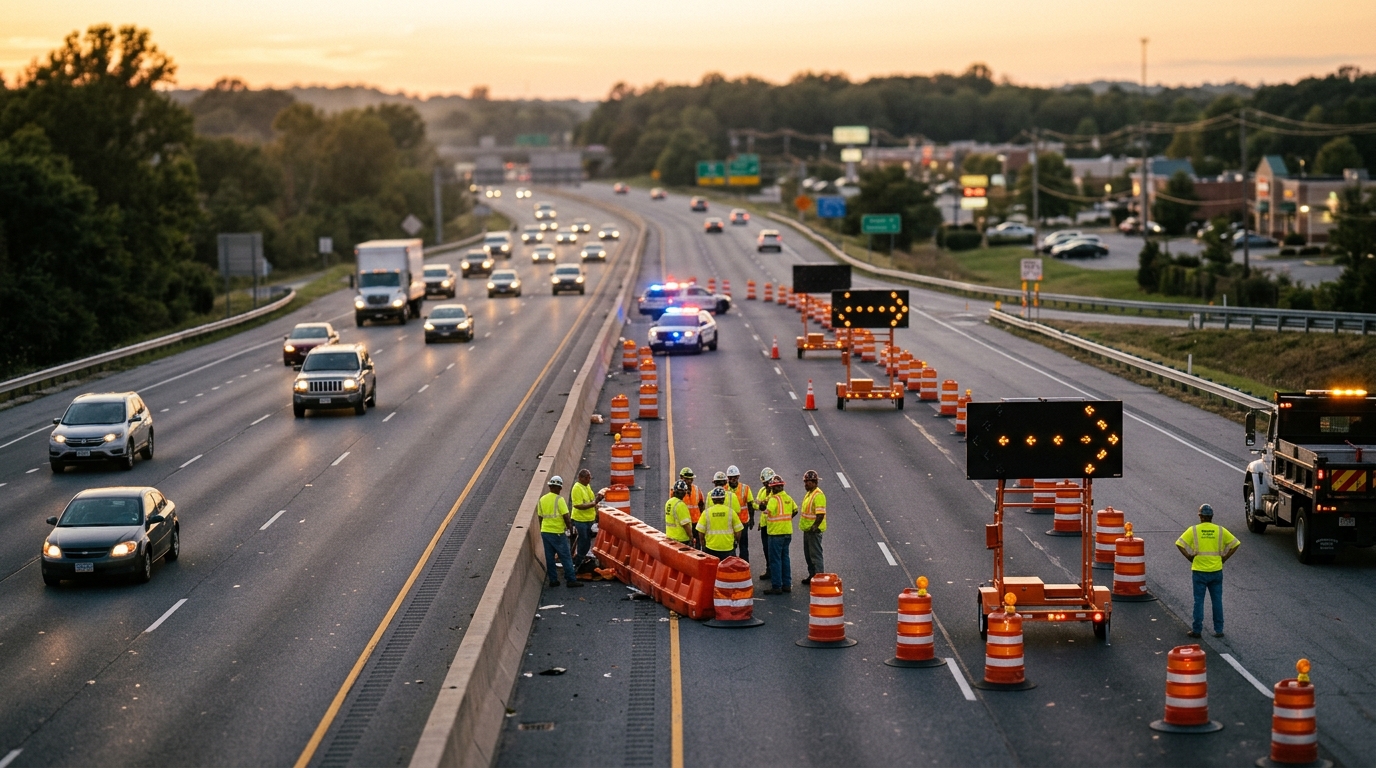
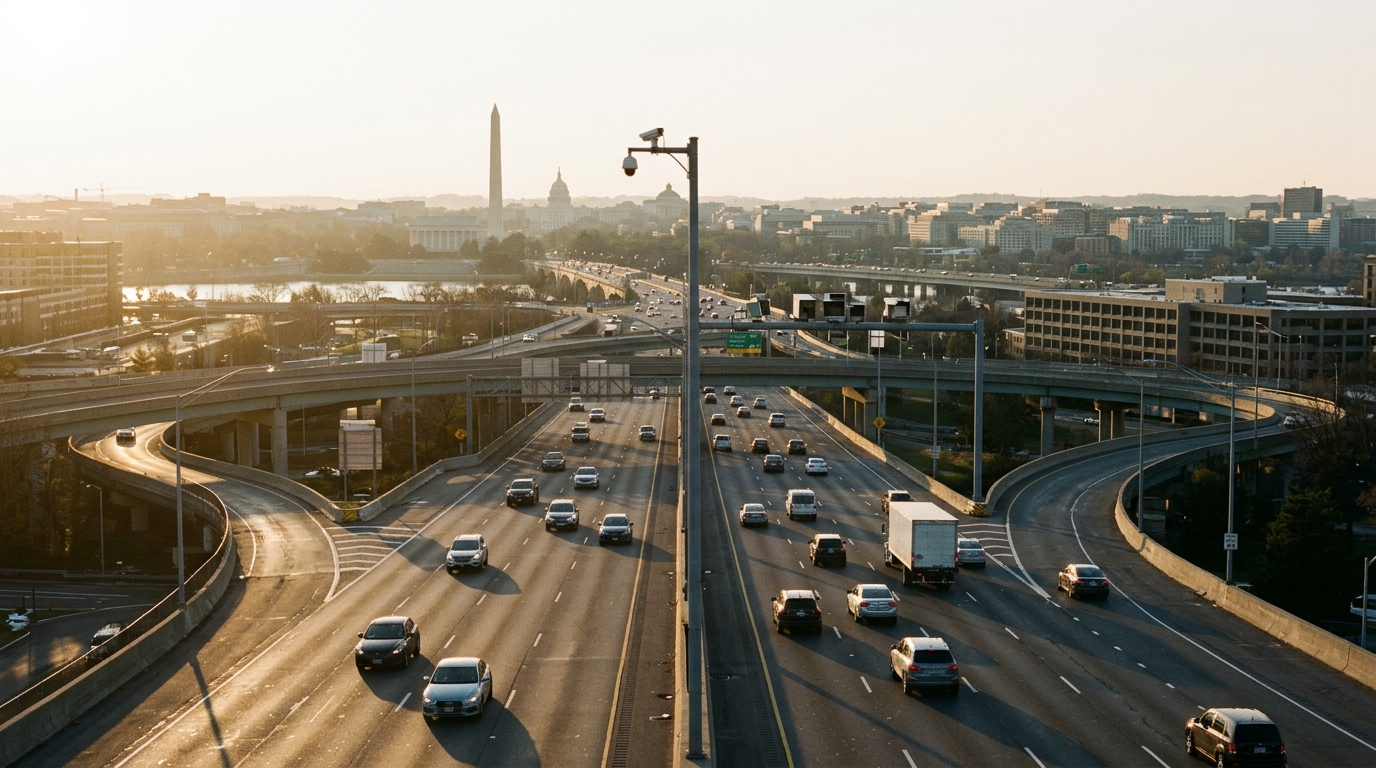
WTOP, the journey to and from work, school, or errands around the nation's capital is currently ranked among the most challenging commutes nationwide. This isn't just about a few bad rush hours; it speaks to a persistent, pervasive issue that impacts productivity, quality of life, and even the economic health of the broader DMV area. ### The Daily Reality for DMV Commuters Imagine spending hours each week stuck in traffic, inching along routes like I-270, I-395, or the Capital Beltway. Or perhaps you're packed onto a Metro train, experiencing delays or service adjustments. For many in Washington, D.C., Montgomery County, Fairfax County, and Arlington, this isn't an occasional nuisance; it's the backdrop of their professional and personal lives. This ranking underscores the immense pressure on the region's transportation infrastructure. The DMV is a hub for federal government employees, a growing tech sector, and a diverse array of businesses, all drawing a massive workforce from across Maryland, Virginia, and the District itself. The sheer volume of vehicles and transit users often overwhelms existing systems, leading to the congestion that has now earned the region this unenviable title. ### Economic and Environmental Toll A difficult commute isn't just a personal inconvenience; it carries significant economic weight. Lost productivity from employees stuck in gridlock can translate into millions of dollars annually for businesses. Additionally, the increased fuel consumption and wear and tear on vehicles hit residents directly in their wallets, adding to the cost of living in an already expensive region. Beyond the immediate financial impact, the environmental consequences are substantial. More time spent idling in traffic means higher carbon emissions, contributing to air quality issues in a region that has often grappled with smog and pollution concerns. This amplifies the call for more sustainable transportation solutions and continued investment in public transit and alternative commuting methods. The
DC Department of Transportation (DDOT) and its counterparts across the state lines constantly work to manage these complex challenges. ### Navigating a Multi-Jurisdictional Maze One of the unique aspects of the DMV's transportation challenges is its multi-jurisdictional nature. Commuters often cross city, county, and state lines just to get to their destinations. A problem on a highway in Maryland can quickly ripple into Virginia and D.C., and vice-versa. This requires intricate coordination among agencies like DDOT, the
Maryland Department of Transportation State Highway Administration (MDOT SHA), and the
Virginia Department of Transportation (VDOT). The
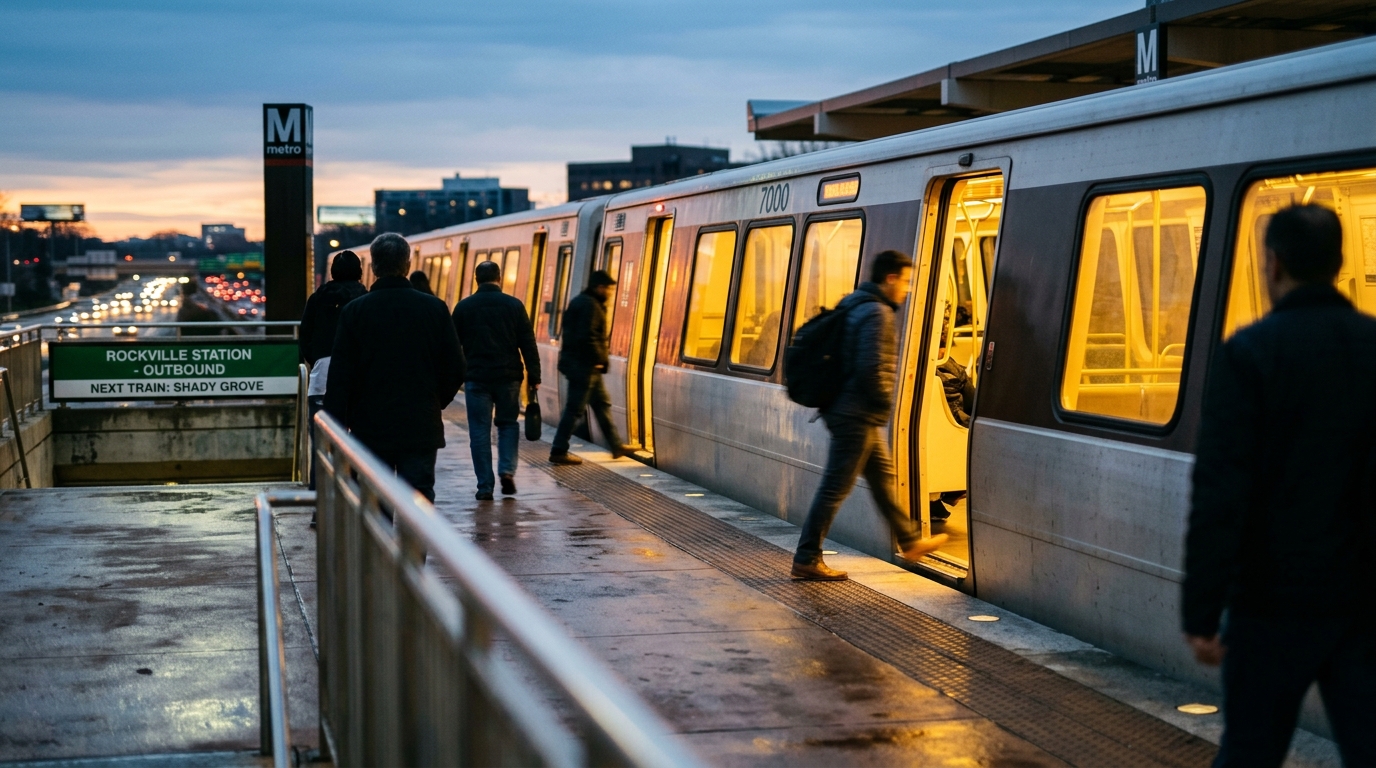
Washington Metropolitan Area Transit Authority (WMATA), which operates Metro rail and bus services, is a critical component of the regional transit network, offering an alternative to driving. However, even Metro services can face their own set of challenges, from maintenance-related delays to capacity issues during peak hours, often pushing more people back onto already crowded roads. ### What This Means for DMV Residents For those living and working in the DMV, this ranking is a stark reminder of the daily battle against congestion. It underscores the importance of staying informed about real-time traffic conditions, exploring flexible work arrangements, and considering public transportation, carpooling, or biking whenever possible. The region's ongoing efforts to expand transit options, improve road networks, and promote telework remain vital in mitigating these persistent challenges. As the DMV continues to grow, so too will the demands on its transportation infrastructure. Residents should keep an eye on local government initiatives and community discussions around urban planning and transit development, as these will directly shape the future of their daily commutes.
📍 Local Resources
Washington Metropolitan Area Transit Authority (WMATA)
Provides real-time Metro rail and bus alerts, schedules, and trip planning tools for public transit options across the DMV.
🕐 Hours: Varies by service
DC Department of Transportation (DDOT)
Offers information on D.C. road closures, construction projects, and traffic management efforts within the District.
📍 Location: 55 M St SE, Washington, DC 20003
Maryland 511 / Virginia 511
State-run services providing real-time traffic and travel information, including incidents, construction, and road conditions for Maryland and Virginia highways.