Maryland's Proposed Transit Budget: What Gains Mean for D.C. Suburbs
Share this article
Understanding Maryland's Transit Spending
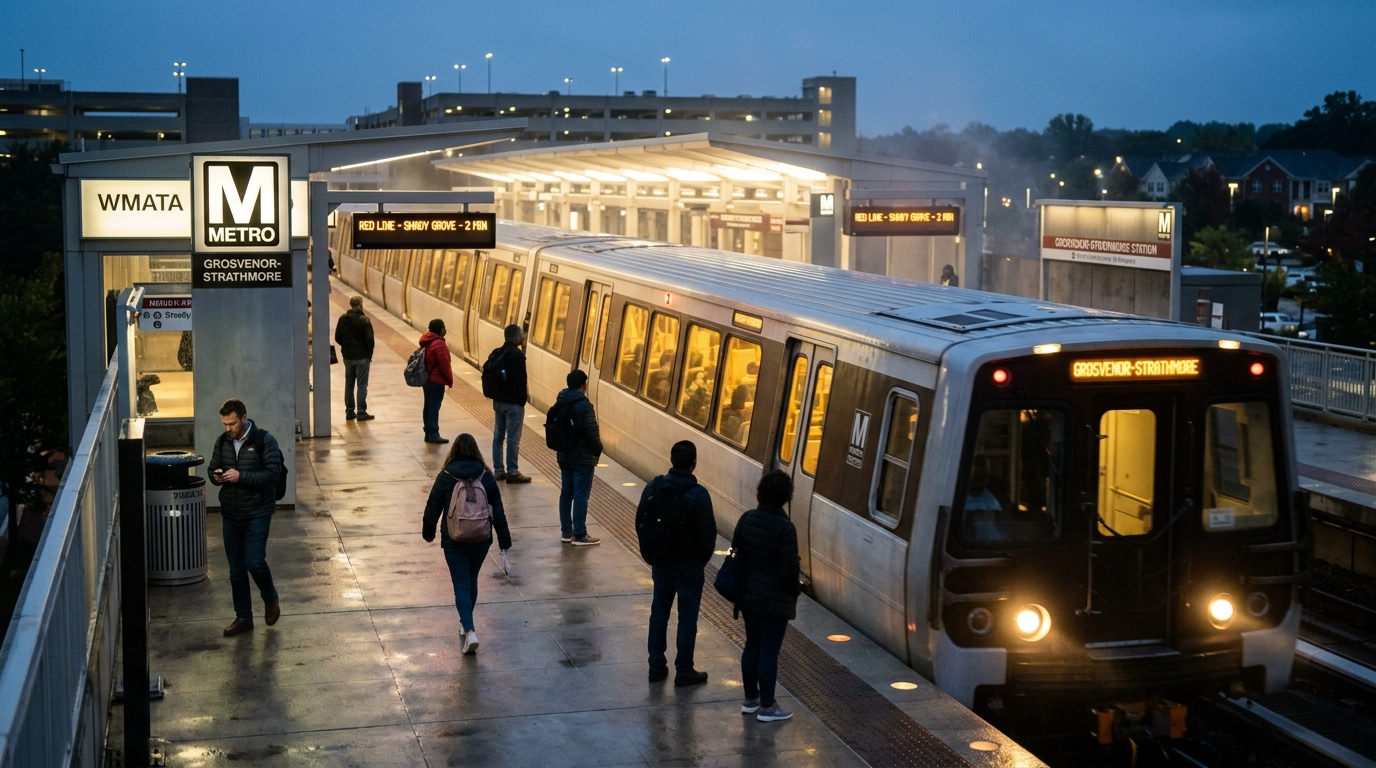
Maryland’s transit budget is a complex beast, funding everything from local bus lines to significant portions of the Washington Metropolitan Area Transit Authority (WMATA). It's the financial engine behind the buses that crisscross neighborhoods, the Metro trains that ferry thousands daily, and the ongoing maintenance and upgrades that keep these vital systems running. Decisions made at the state level directly trickle down to affect service frequency, infrastructure projects, and even the fares riders pay at the turnstile. For the DMV, a substantial portion of this state budget goes toward supporting WMATA, a multi-jurisdictional agency that relies on contributions from Maryland, Virginia, and the District of Columbia, alongside federal aid. Maryland's commitment to WMATA is crucial for the seamless operation of Metrorail and Metrobus services that connect Montgomery County's bustling urban centers like Silver Spring and Bethesda, and even extend into parts of Frederick County, with downtown Washington, D.C., and Northern Virginia.What "Gains" Could Mean for D.C. Suburbs
So, what exactly does it mean for D.C. suburbs to "gain" from the state's proposed transit budget? While specific details of the budget's allocations are keenly awaited, a general "gain" in transit funding for areas like Montgomery and Frederick counties could translate into several key benefits: * **Service Stability and Enhancement:** Increased funding can help maintain current service levels, preventing cuts to bus routes or reductions in train frequency. It could even pave the way for service enhancements, such as extended operating hours, new routes to underserved areas, or more frequent departures during peak times, easing congestion and wait times. * **Infrastructure Investment:** Transit systems require constant maintenance and modernization. A budget gain could mean more resources for repairing aging tracks, upgrading signal systems, or improving bus stops and stations. These investments enhance reliability, safety, and the overall rider experience. * **Fare Control and Affordability:** State funding can often play a role in subsidizing fares, helping to keep them affordable for riders. Without sufficient state support, transit agencies might be forced to consider fare hikes, placing a greater burden on commuters and potentially deterring ridership. * **Support for Local Transit Systems:** Beyond WMATA, Maryland's D.C. suburbs also rely on local bus services like Montgomery County's Ride On and Frederick County's TransIT. State funding is vital for these systems, ensuring they can continue to provide essential local connections and feed into the broader regional transit network. The contrast with Baltimore, where the proposed budget reportedly "reveals pain," underscores the significance of these potential gains for the DMV. It suggests a strategic prioritization that, for now, appears to favor the transit needs of Maryland's D.C.-adjacent communities.Connecting Commuters and the Economy
For the hundreds of thousands of residents in Montgomery County and Frederick County who commute into Washington, D.C., or within the broader region, these budget decisions are far from abstract. A robust and well-funded transit system means more reliable journeys, less time stuck in traffic, and a reduced carbon footprint. It supports the region's economic vitality by ensuring workers can access jobs and businesses can attract talent from across the metropolitan area. Consider the daily grind for a commuter in Rockville relying on the Metro's Red Line, or a resident in Gaithersburg using Ride On to connect to a Metro station. Any increase in funding, or even the stability of existing allocations, directly impacts their ability to get to work on time, pick up kids from school, or access healthcare appointments without the added stress of unreliable transportation. Businesses in downtown Silver Spring or Bethesda benefit from employees and customers who can easily reach their establishments via public transport.Looking Ahead: What Residents Should Watch For
As this proposed state transit budget moves through the legislative process, residents of Maryland's D.C. suburbs will want to pay close attention. The specific details of how these "gains" are allocated will determine the true impact on daily life. Will it mean more buses on the street, faster train service, or critical upgrades to existing infrastructure? The Maryland Department of Transportation (MDOT) is the primary agency responsible for overseeing the state's transportation network, and details of the budget will be critical for understanding future projects and service levels. Public input and advocacy from local leaders and transit organizations will likely play a role as the budget is finalized. Understanding these funding decisions is key to advocating for the transit services that keep our communities moving. What happens next with this budget could shape the future of transportation in Maryland's D.C. suburbs for years to come, influencing everything from individual commutes to regional economic development. Residents should keep an eye on local news and official announcements from MDOT and their respective county transit agencies for updates on how these proposed gains will materialize.📍 Local Resources
Provides Metrorail and Metrobus services throughout the D.C. metropolitan area, including Maryland's D.C. suburbs.
Offers local bus service within Montgomery County, connecting to WMATA and other regional transit.
Provides local bus and paratransit services throughout Frederick County.
Explore more on this topic
Related Stories

Maryland Special Education Complaints Surge 200% Since 2022, Raising Concerns for DMV Families
Special education complaints in Maryland have skyrocketed by 200% since 2022, signaling significant challenges for families navigating the public school system in the DMV. This dramatic increase raises concerns about the support provided to students with disabilities across the state.
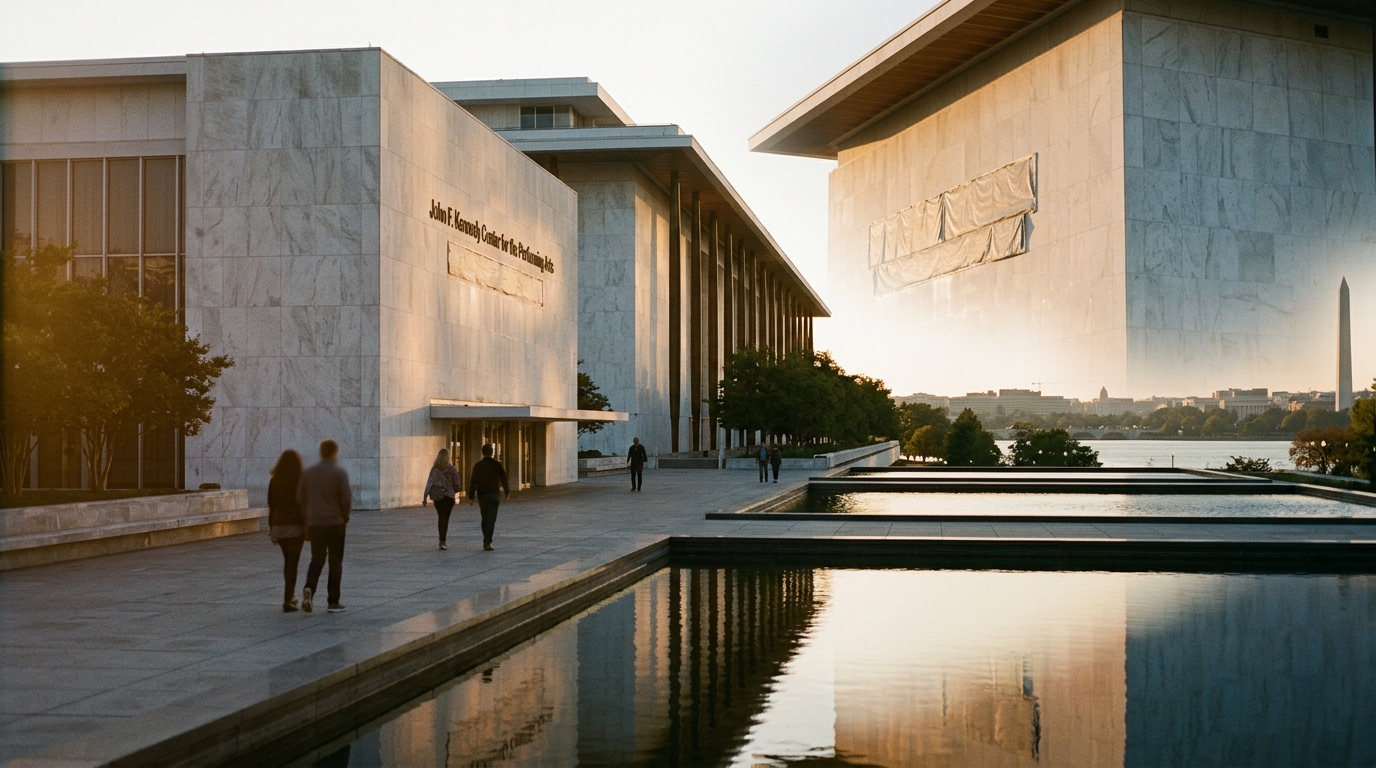
Reports: Kennedy Center Faces Bankruptcy Threat, Cites Removal of Trump's Name
Reports indicate the iconic Kennedy Center is warning of bankruptcy, reportedly linking its financial woes to the removal of former President Trump's name from a prominent space. This development raises serious concerns for the future of arts and culture in Washington D.C. and the broader DMV region. ---META
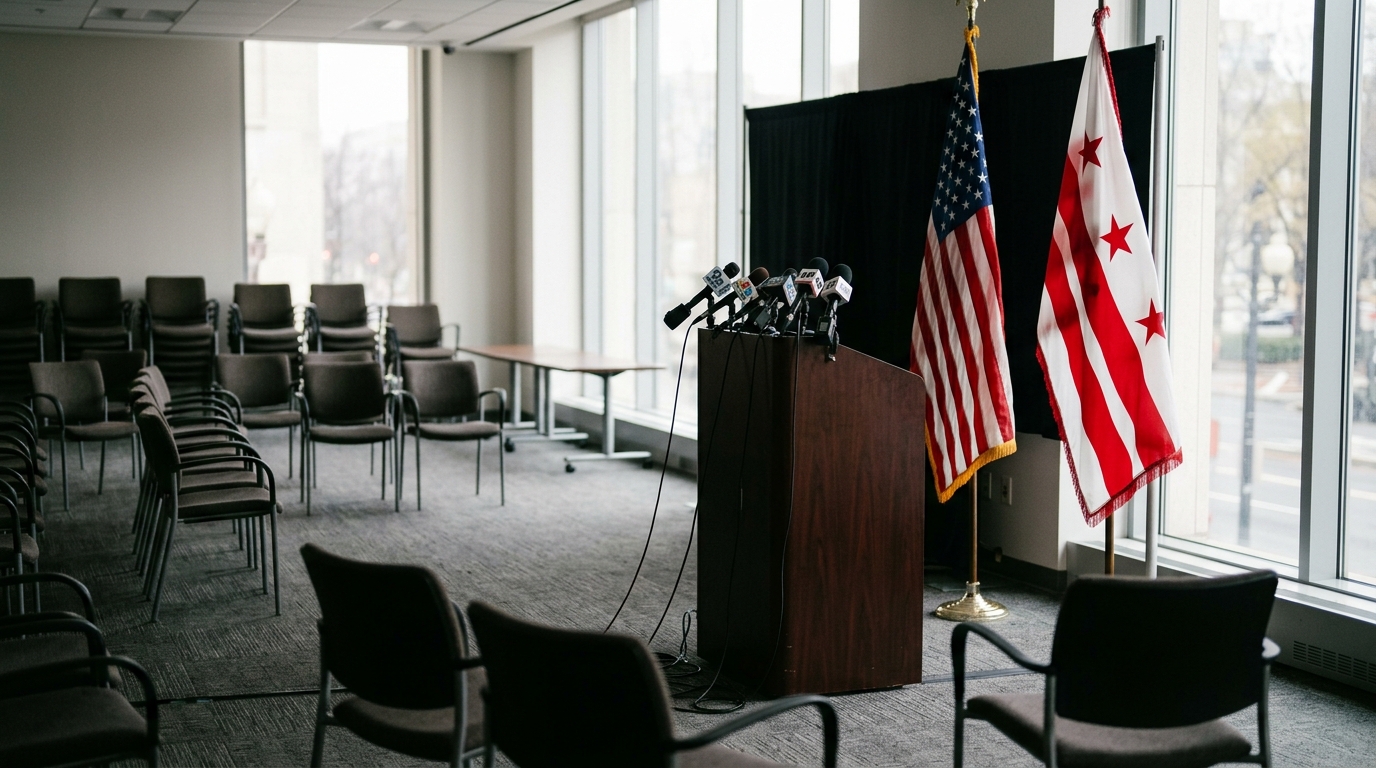
DC Baptist Pastors Lobby Against Driverless Car Bill, Citing 'Antihuman' Concerns
Some Baptist pastors in Washington D.C. are actively lobbying against a bill that would allow commercial driverless cars in the city, arguing that autonomous vehicles are "antihuman." This opposition introduces a unique ethical and moral dimension to the D.C. Council's debate over integrating artificial intelligence into urban transportation.