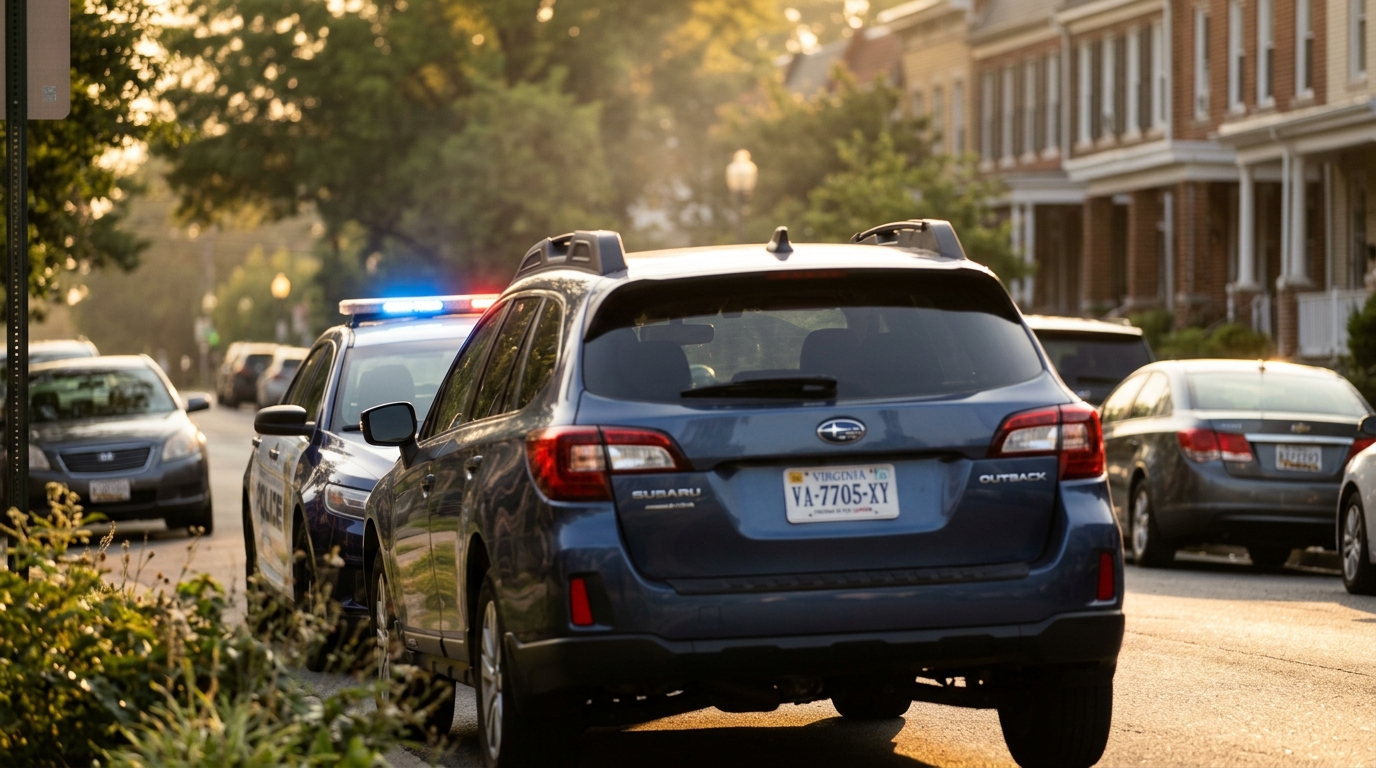
Driving around the DMV, it's not uncommon to spot cars sporting license plates from various states. But if your daily commute involves Maryland roads and your vehicle still carries Virginia tags, you might want to pay close attention. Reports indicate that Maryland is stepping up its enforcement efforts against residents who haven't registered their vehicles locally, with a particular focus on those still displaying Virginia plates. This isn't just about a change of scenery; it's about ensuring all residents contribute fairly to state services and adhere to local regulations. The move highlights Maryland's push to identify and penalize drivers who are, intentionally or not, circumventing state registration fees, taxes, and inspection requirements by maintaining out-of-state registrations while living and working in Maryland
[1].
Maryland is intensifying efforts to ensure all residents driving on its roads register their vehicles locally, impacting those still holding onto out-of-state tags.
For many DMV residents, moving across state lines within the region is a common occurrence. A job change might take someone from Arlington to Bethesda, or a new home could mean a shift from Fairfax to Frederick. While the move itself is often straightforward, updating vehicle registration sometimes falls by the wayside. However, Maryland law generally requires new residents to register their vehicles and obtain Maryland driver's licenses within a specific period after establishing residency. Failing to do so can lead to significant penalties. ### Why the Renewed Focus? States like Maryland rely on vehicle registration fees and excise taxes to fund critical infrastructure projects, maintain roads, and support various public services. When residents operate vehicles with out-of-state plates while living in Maryland, the state loses out on this essential revenue. Beyond the financial aspect, accurate registration records are crucial for law enforcement, emergency services, and even environmental regulations, ensuring vehicles meet state emissions standards. The publication highlights that this crackdown isn't just a random enforcement spree; it's a concerted effort to address a known issue. While specific details on how the state identifies non-compliant vehicles were not immediately available, such efforts often involve tips from the public, law enforcement observations, and data cross-referencing between state agencies
[1]. ### What It Means for DMV Residents This push from Maryland's Motor Vehicle Administration (MVA) directly impacts thousands of people across the DMV. Think about those who've moved from Northern Virginia counties like Arlington or Fairfax into Montgomery County or Prince George's County for work, family, or a new lifestyle. It’s easy to overlook changing a license plate when you're settling into a new home, finding new schools, or navigating a new commute. But the grace period for such changes isn't indefinite. According to reports, if you've established residency in Maryland—meaning you live, work, or own property here—and your car still has Virginia plates, you're now on the state's radar. The implications can range from hefty fines to potential impoundment of your vehicle, depending on the severity and duration of non-compliance. It's not just about avoiding a ticket; it's about adhering to the laws of your new home state. Maryland's MVA website provides comprehensive information on
vehicle registration requirements for new residents. Typically, new residents have a short window, often around 60 days, to transfer their vehicle registration and obtain a Maryland driver's license. This period allows for a reasonable transition but isn't meant to be an indefinite loophole. ### Navigating the Registration Process For those who find themselves caught in this cross-state conundrum, understanding the steps to achieve compliance is key. The process generally involves: * **Establishing Maryland Residency:** This often means having a Maryland address on your driver's license, utility bills, or tax documents.
* **Obtaining a Maryland Driver's License:** This is usually a prerequisite for registering a vehicle in the state.
* **Vehicle Inspection:** Maryland requires safety inspections for all vehicles brought into the state for registration. This is a one-time inspection at a licensed inspection station.
* **Required Documentation:** You'll need your out-of-state title, proof of insurance, a lien release (if applicable), and proof of Maryland residency.
* **Paying Fees and Taxes:** This includes title fees, registration fees, and excise taxes, which vary based on the vehicle's value and type. The Maryland MVA emphasizes that proper registration ensures vehicles on its roads are safe, insured, and contributing their fair share to state services. Ignoring these requirements could lead to escalating penalties, making the eventual compliance much more costly than if addressed proactively. Residents can find detailed guidance and forms directly on the
Maryland Motor Vehicle Administration website. This intensified focus serves as a clear reminder for anyone living in Maryland with out-of-state tags to review their registration status. It's a matter of state law, fiscal responsibility, and ensuring the integrity of vehicle records within the state.
📍 Local Resources
Maryland Motor Vehicle Administration (MVA)
Official state agency for driver's licenses, vehicle registration, and titling services.
📍 Location: Multiple locations across Maryland. Check website for nearest branch.
🕐 Hours: Varies by branch. Check website.
Maryland State Government Information
General information and services for residents, including links to various state departments.
Maryland Attorney General - Consumer Protection Division
Handles consumer complaints and offers resources on various legal issues, including understanding state regulations.