DC Residents Share Visions for RFK Campus as Council Weighs Master Plan
Share this article

A Legacy Site at a Crossroads
The Robert F. Kennedy Memorial Stadium, opened in 1961, was once a bustling hub, hosting everything from Super Bowls to World Cup matches and legendary rock concerts. But since its last major tenant, D.C. United, moved out, the stadium has largely sat vacant, a shadow of its former glory. The site's owner, Events DC, has been working on various proposals for its redevelopment, with the current master plan aiming to transform the 190-acre property into a vibrant mixed-use destination. This isn't just about tearing down an old stadium; it's about reimagining a massive plot of land that connects to the Anacostia Riverfront, Capitol Hill, and the surrounding wards.Community Voices Shape the Future
The D.C. Council's review process is designed to be a forum for these diverse perspectives. Public hearings and community meetings are vital components, allowing residents to directly engage with their elected officials and planning authorities. For many, this is a chance to advocate for specific elements they believe are essential for the site's revitalization. Some push for substantial green spaces and recreational facilities, emphasizing the need for more parks and trails along the Anacostia. Others see the potential for affordable housing, addressing the city's ongoing housing crisis. Still others advocate for new entertainment venues, retail options, or even a return of a major sports team, hoping to rekindle the campus's legacy as a regional draw. The council's role is to synthesize this input, weigh competing interests, and ultimately approve a master plan that aligns with the city's long-term vision and regulatory frameworks. This often involves navigating complex zoning laws, environmental regulations, and financial feasibility studies. The master plan isn't a final blueprint but rather a guiding document that sets the overall parameters for future development, influencing subsequent detailed planning and construction phases. Understanding the District's Comprehensive Plan is key to grasping the broader context of such large-scale projects.What's Next for the RFK Site?
The ongoing review by the D.C. Council marks a critical juncture. Once the council concludes its assessment and potentially approves a revised master plan, the city will move closer to concrete steps for redevelopment. This could involve securing new tenants, initiating demolition of the old stadium, and beginning infrastructure improvements. The process is often lengthy, involving multiple stages of approvals, funding acquisition, and detailed design work. Residents interested in staying informed about the RFK Campus redevelopment can monitor the Events DC official website for updates and public meeting schedules. The future of this iconic site remains a topic of considerable public interest and will continue to be a focal point for community engagement. The decisions made in the coming months and years will determine whether the RFK Campus transforms into a dynamic urban asset that serves all Washingtonians. The D.C. Council's review is a vital step in ensuring that those community voices are heard and incorporated into the vision for one of the city's most significant redevelopment opportunities.📍 Local Resources
Provides information on city planning initiatives, zoning, and comprehensive plans for various neighborhoods and major development sites like RFK. Offers public access to planning documents and meeting schedules.
The official convention and sports authority for Washington, D.C., and the owner/manager of the RFK Campus. Provides updates on redevelopment projects, public engagement, and the RFK Master Plan.
This committee often oversees major city properties and revenue-generating projects, including large-scale redevelopments. Residents can find information on upcoming hearings and legislation related to the RFK Campus.
Explore more on this topic
Related Stories

DC Committee Moves to Streamline Utility Aid, Easing Burden on Vulnerable Residents
A D.C. Council committee has advanced a bill aimed at streamlining utility aid, promising to ease the burden on low-income residents who currently face repetitive verification processes to maintain essential services. The legislation seeks to make it simpler for thousands of District residents to access and keep critical assistance for electricity, gas, and water.
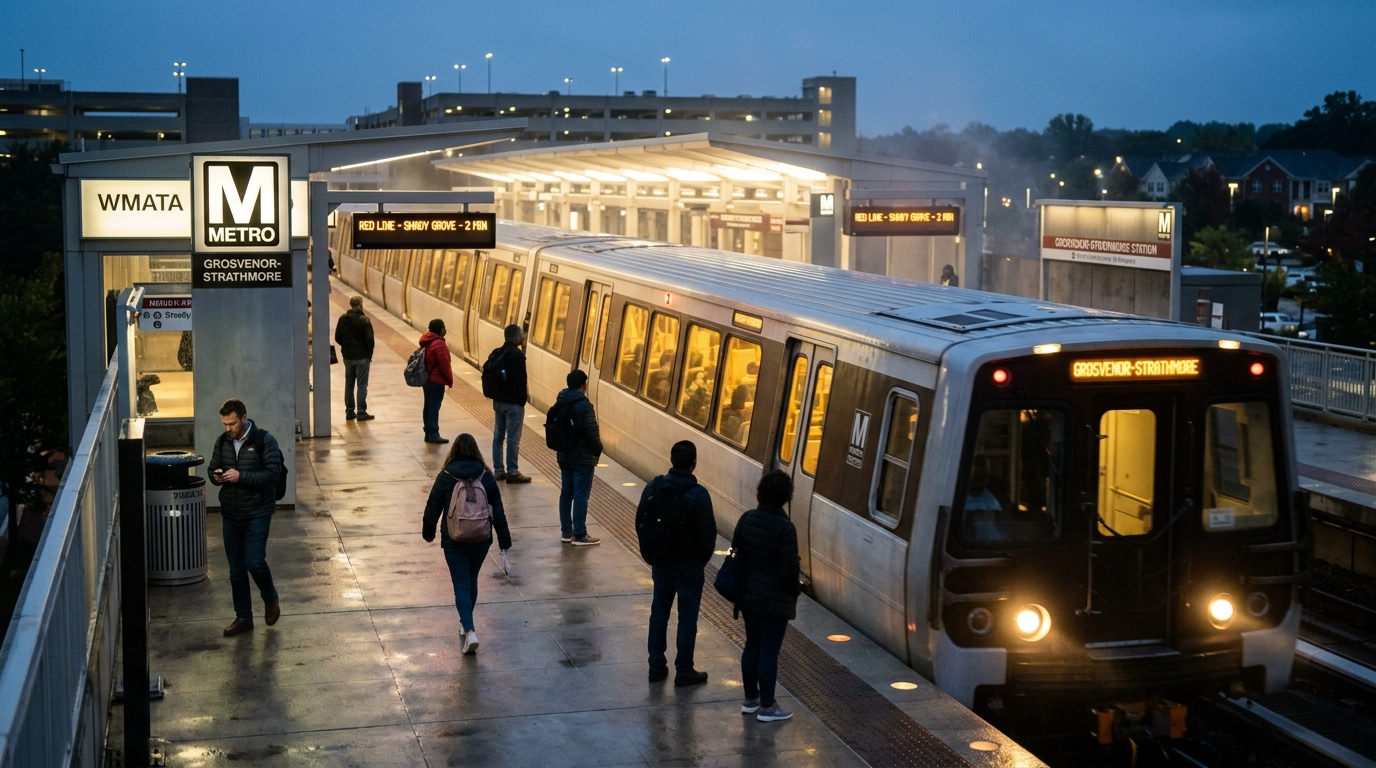
Maryland's Proposed Transit Budget: What Gains Mean for D.C. Suburbs
Maryland's proposed transit budget suggests a positive shift for D.C. suburbs like Montgomery and Frederick counties, potentially leading to stable services, infrastructure improvements, and fare control, contrasting with challenges faced by Baltimore.

Maryland Special Education Complaints Surge 200% Since 2022, Raising Concerns for DMV Families
Special education complaints in Maryland have skyrocketed by 200% since 2022, signaling significant challenges for families navigating the public school system in the DMV. This dramatic increase raises concerns about the support provided to students with disabilities across the state.