DC Committee Moves to Streamline Utility Aid, Easing Burden on Vulnerable Residents
Share this article

Cutting Through the Red Tape
The committee's decision to advance this utility aid bill marks a crucial step toward alleviating a significant source of frustration for thousands in the District. The legislation targets the repetitive verification processes that have long plagued D.C.'s utility assistance programs. Currently, residents often have to submit extensive documentation and re-apply for aid at frequent intervals, a process that can be difficult to navigate for individuals with limited access to technology, transportation, or time.The Human Cost of Bureaucracy
The struggle to secure and maintain utility assistance isn't just an administrative headache; it has profound human consequences. A single missed deadline or a lost piece of paperwork can mean the difference between a warm home and a cold one, or access to clean water versus none. For families with children, seniors on fixed incomes, or individuals with disabilities, these disruptions can be catastrophic. The District's utility assistance programs, such as the Low Income Home Energy Assistance Program (LIHEAP) and the Utility Discount Programs (UDP) for electricity, gas, and water, are vital lifelines. However, their effectiveness is hampered when the very mechanism for accessing them becomes an obstacle. The proposed bill acknowledges that poverty itself is often a chronic condition, not a temporary state requiring constant re-confirmation. Simplifying access means these critical programs can truly serve their purpose: preventing disconnections and ensuring basic living standards for all residents.What the Bill Aims to Achieve
The legislation advanced by the committee focuses on creating a more compassionate and efficient system. While specific details of the bill's final language are still being ironed out, the overarching goal is to reduce the frequency and intensity of re-verification requirements. This could involve cross-referencing eligibility with other D.C. government programs, such as SNAP or Medicaid, where income verification has already occurred. By doing so, the District hopes to minimize the administrative burden on both residents and the agencies administering the aid. This shift could free up resources currently spent on repetitive paperwork processing, allowing staff to focus more on outreach and direct assistance. The D.C. Department of Energy & Environment (DOEE), which oversees many of these programs, stands to benefit from a streamlined process, enabling them to serve more residents more effectively.Local Impact for D.C. Residents
This proposed bill directly impacts thousands of D.C. residents, particularly those in neighborhoods like Anacostia, Congress Heights, and Columbia Heights, where income disparities are more pronounced and the need for assistance is often higher. For these communities, the bill represents a potential turning point, promising more stable access to essential services. It means less time spent gathering documents, less anxiety about impending deadlines, and a greater sense of security regarding basic utilities. If enacted, residents could see a noticeable reduction in the paperwork required to maintain their utility discounts and aid, ensuring that help arrives when it's needed and stays in place as long as it's deserved.Next Steps in the Legislative Journey
With the committee's approval, the utility aid bill now heads to the full D.C. Council for a vote. If it passes there, it will then move to the Mayor for her signature. The legislative process can sometimes involve further amendments and debates, but the committee's advancement signals strong support for the underlying principles of the bill. Community advocacy groups and local non-profits are likely to continue pushing for its swift passage, emphasizing the critical need for these reforms. The push for more accessible utility aid aligns with broader efforts to combat poverty and promote equity in the District. Ensuring that residents can keep their utilities connected without undue stress is a fundamental component of creating a stable and healthy community. The D.C. Council's committee has taken a significant step towards a more humane and efficient system, acknowledging that dignity and basic needs should not be contingent on an endless parade of paperwork.📍 Local Resources
Administers programs like LIHEAP and Utility Discount Programs for eligible D.C. residents.
Provides advocacy and assistance to D.C. utility consumers regarding service, billing, and disconnections.
Offers various economic support services, including SNAP and TANF, which can often be linked to utility aid eligibility.
Explore more on this topic
Related Stories

DC Residents Share Visions for RFK Campus as Council Weighs Master Plan
Washington, D.C. residents are actively participating in shaping the future of the iconic RFK Campus as the D.C. Council reviews its master plan. The 190-acre site, a former sports landmark, is poised for a major transformation, with community input guiding decisions on everything from green spaces and housing to economic development.
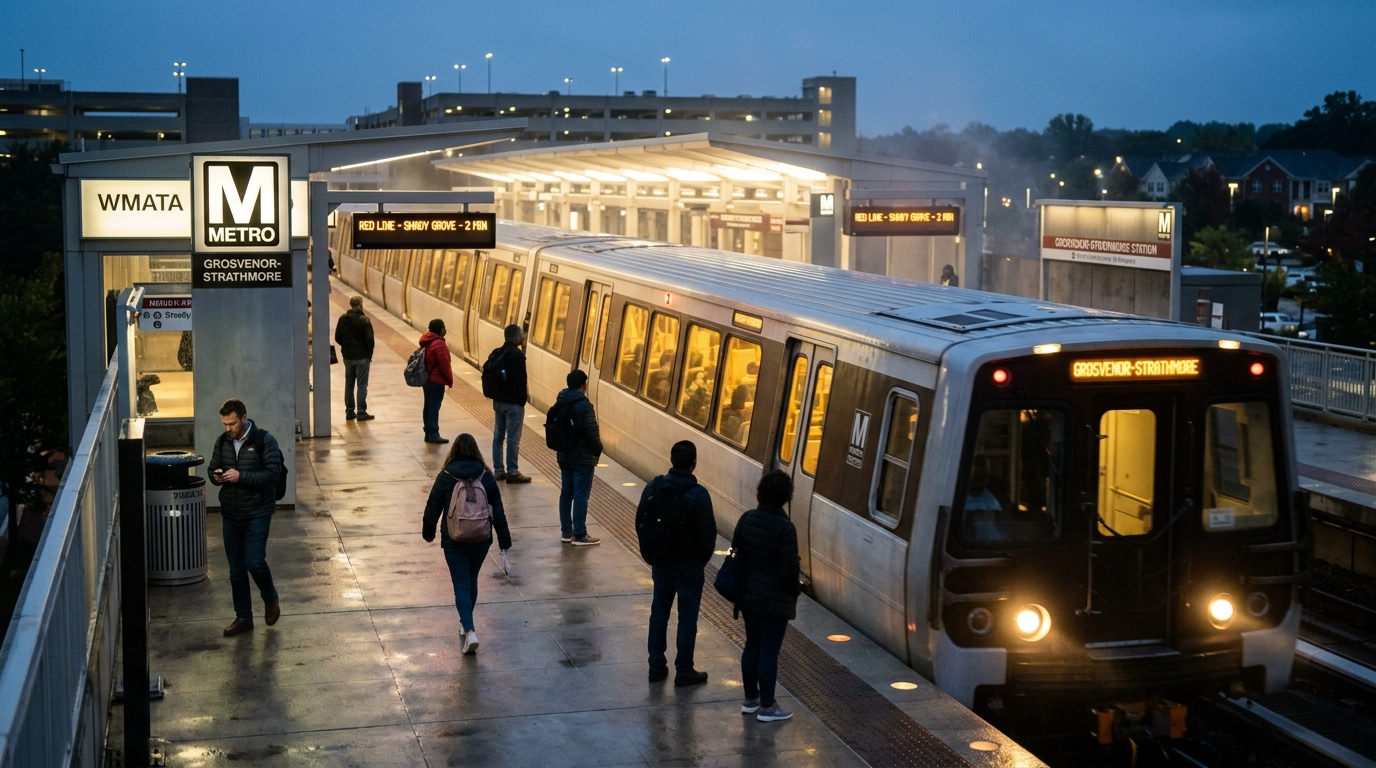
Maryland's Proposed Transit Budget: What Gains Mean for D.C. Suburbs
Maryland's proposed transit budget suggests a positive shift for D.C. suburbs like Montgomery and Frederick counties, potentially leading to stable services, infrastructure improvements, and fare control, contrasting with challenges faced by Baltimore.

Maryland Special Education Complaints Surge 200% Since 2022, Raising Concerns for DMV Families
Special education complaints in Maryland have skyrocketed by 200% since 2022, signaling significant challenges for families navigating the public school system in the DMV. This dramatic increase raises concerns about the support provided to students with disabilities across the state.