Maryland Audit Reveals Out-of-State Drivers Owe Over $818 Million in Unpaid Tolls
Share this article
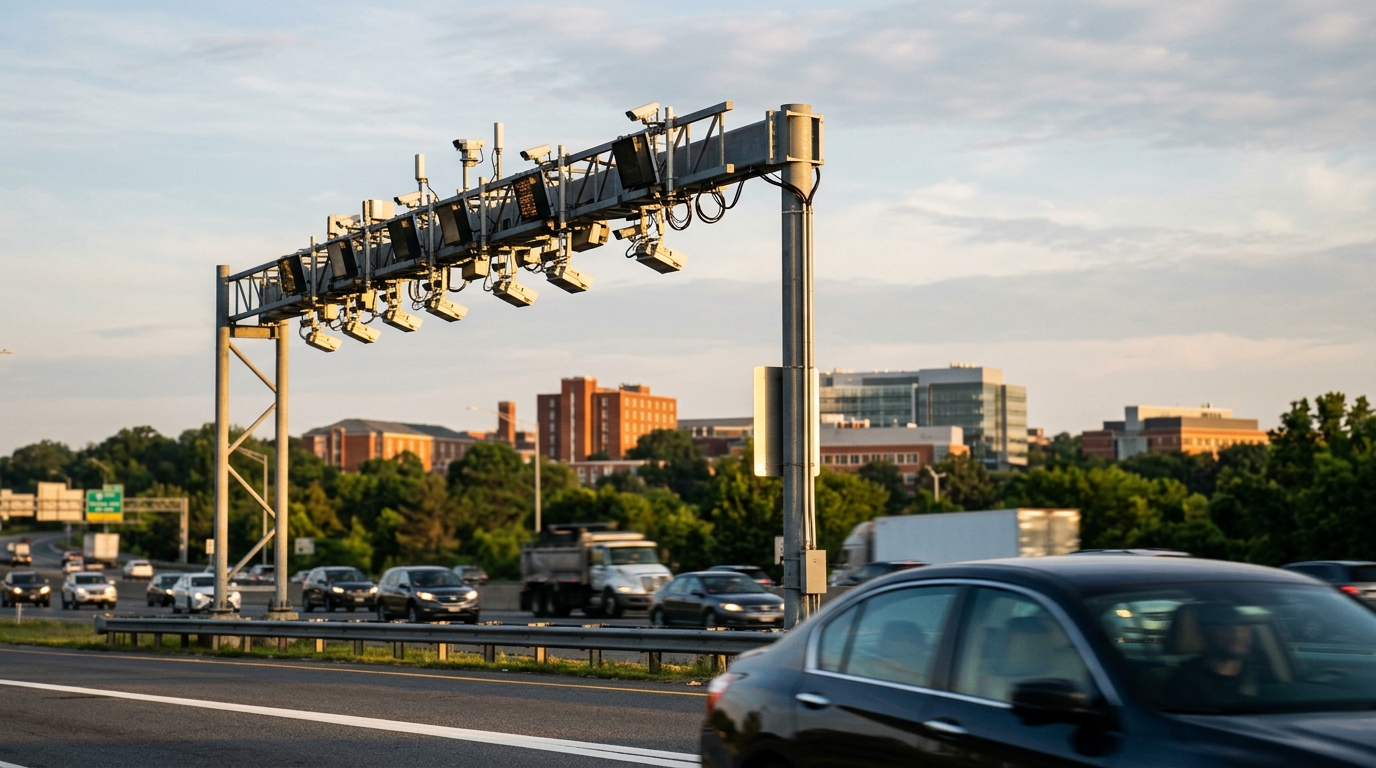
The Weight of Unpaid Bills
The audit's finding of over $818 million in outstanding tolls and fees from non-Maryland drivers paints a stark picture of revenue leakage. This isn't just about the initial toll amount; it includes the penalties and administrative fees that accumulate when tolls go unpaid. These charges often escalate over time, turning a small, missed payment into a much larger bill.Why the Mounting Debt?
Collecting tolls from drivers registered in other states presents unique challenges. Unlike in-state drivers, whose vehicle registrations can be directly linked to outstanding debts and potentially flagged for renewal holds, pursuing out-of-state offenders often requires navigating complex inter-state agreements and legal frameworks. Each state has its own motor vehicle laws, and reciprocal enforcement agreements for toll violations aren't always comprehensive or uniformly applied. For instance, a driver from Virginia or Pennsylvania might accrue unpaid tolls while traveling through Maryland. If Maryland lacks a robust agreement with that specific state to share driver information or enforce collection, the debt can become difficult and costly to pursue. This administrative hurdle contributes significantly to the accumulation of such a large outstanding balance. The sheer volume of traffic flowing through Maryland from neighboring states like Virginia, Pennsylvania, Delaware, and New Jersey further complicates enforcement efforts.Impact on DMV Residents and State Finances
For Maryland residents, and indeed for all DMV drivers who diligently pay their tolls, this audit finding can be frustrating. The $818 million shortfall represents funds that could otherwise be invested directly back into the transportation network that everyone uses. Imagine what that sum could fund: significant upgrades to aging bridges, expansion of public transit options, critical road resurfacing projects, or even a reduction in future toll rate increases. The Maryland state budget relies on a diverse set of revenue streams, and transportation funding is a critical component. A deficit of this magnitude in one area can ripple across other state services. It means less money for infrastructure, which impacts travel times, safety, and the overall quality of life for those living and working in the region. Drivers from Northern Virginia and Washington, D.C., who regularly commute or travel through Maryland, are part of the "out-of-state" group, and this issue highlights the need for regional solutions to regional problems.Government Oversight and the Path Forward
This audit, likely conducted under the purview of a body like the Maryland General Assembly's Joint Audit Committee, serves as a critical mechanism for government oversight. Audits are designed to identify inefficiencies, financial discrepancies, and areas where public funds are not being managed effectively. The findings will undoubtedly prompt Maryland lawmakers and transportation officials to re-evaluate current collection strategies and explore new avenues for recouping these lost revenues. Potential solutions could include strengthening reciprocal agreements with neighboring states, investing in more advanced toll enforcement technologies, or even exploring legislative changes to facilitate easier collection from out-of-state offenders. The goal would be to deter non-payment and ensure that all drivers, regardless of their state of residence, contribute their fair share to the upkeep of Maryland's vital transportation infrastructure.What This Means for the DMV
This audit underscores the complex financial realities of maintaining a robust transportation network in a densely populated, interconnected region like the DMV. While the $818 million debt is owed by out-of-state drivers, its impact is felt by everyone who uses Maryland's roads and relies on the services its state government provides. DMV residents should expect increased scrutiny on toll collection practices and potential legislative efforts to address this massive shortfall. It's a reminder that regional collaboration is paramount, not just for traffic flow, but for financial stability. Watch for announcements from the MDTA and the Maryland General Assembly regarding new initiatives aimed at recovering these funds and ensuring a more equitable system for all who travel through the Old Line State.Explore more on this topic
Related Stories
DC Council Passes New Parking Enforcement Bill: What It Means for Washingtonians
The D.C. Council has passed a new parking enforcement bill, signaling potential changes for drivers, businesses, and residents across the District. This legislative action aims to refine how the city manages its curb space, impacting everything from traffic flow and safety to daily commutes and local commerce. Washingtonians should prepare for possible adjustments to fines, enforcement zones, and the overall parking landscape.
D.C. Council Greenlights $305 Million for Metro and Bus Upgrades Near RFK Stadium Site
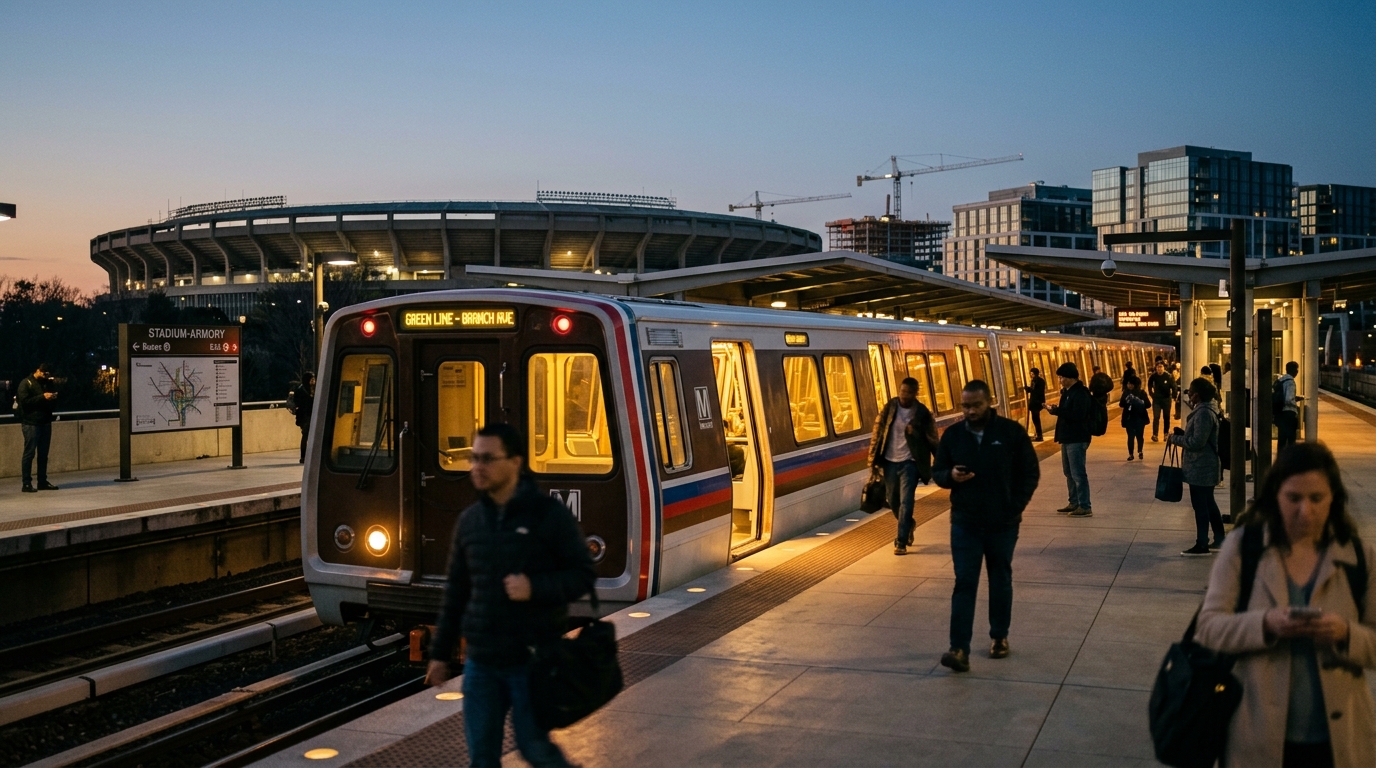
The D.C. Council has approved $305 million for major Metro and bus upgrades near the RFK Stadium site, with most funds targeting the Stadium-Armory rail station to accommodate future visitors. This significant investment prepares the area for anticipated redevelopment and aims to enhance public transit accessibility for residents and event-goers.
D.C. Union Leader Sounds Alarm on Waymo's Threat to Local Driving Jobs
A D.C. union leader has raised serious concerns that the expansion of autonomous vehicle technology, particularly from companies like Waymo, could put thousands of local driving jobs at risk in Washington, D.C. The warning highlights a critical challenge for the capital's workforce and economy as technological advancements reshape traditional industries.