The familiar hum of an engine, the quick turn of a steering wheel, the friendly nod from a bus driver – these are everyday sights and sounds across Washington, D.C. But a D.C. union leader is now warning that a silent revolution in transportation could soon disrupt this reality, potentially threatening thousands of driving jobs in the nation's capital. The concern centers on the expansion of autonomous vehicle technology, specifically from companies like Waymo, and its looming impact on the city's workforce. According to a report from
FOX5DC, a local union leader has voiced significant apprehension about the future of driving professions as self-driving cars become more prevalent. The core message is stark: the advent of driverless technology could displace a substantial number of workers who depend on driving for their livelihoods right here in D.C. ### The Rise of Autonomous Vehicles and D.C.'s Workforce Waymo, a subsidiary of Alphabet Inc., is a prominent player in the autonomous vehicle industry, actively developing and deploying self-driving car technology in various cities across the United States. While the promise of autonomous vehicles often highlights increased safety, reduced traffic congestion, and greater accessibility, the discussion around their societal impact frequently includes the potential for job displacement. For a city like Washington, D.C., with its dense population, complex transportation network, and reliance on a broad spectrum of driving services, this potential disruption carries significant weight. The D.C. metropolitan area is home to a vast network of transportation professionals. From the taxi drivers navigating the bustling streets around Capital One Arena, to the rideshare operators ferrying passengers between government buildings and residential neighborhoods, to the delivery drivers crisscrossing the city with packages and meals, these roles are integral to the daily functioning of the capital. Beyond these, there are also commercial truck drivers, bus operators for WMATA and other local transit systems, and various private chauffeurs. These jobs aren't just statistics; they represent families, careers, and vital contributions to the local economy.
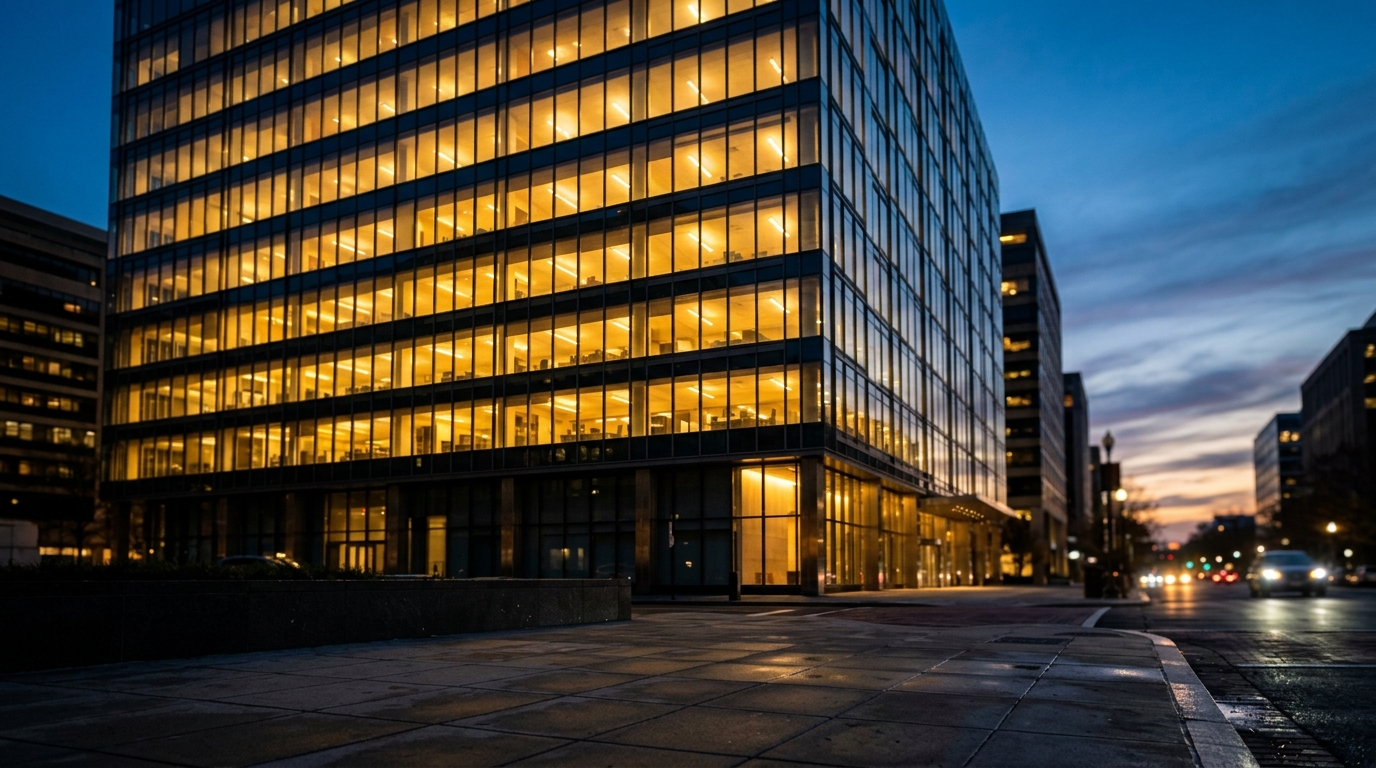
Thousands of driving jobs in Washington, D.C. could be threatened by the expansion of autonomous vehicle technology.
The union leader's concern underscores a broader debate about how cities will adapt to technological advancements that fundamentally alter traditional industries. It's a question of economic transition and social equity: how can D.C. embrace innovation while protecting its residents from adverse economic shocks? ### Understanding the Union's Perspective Labor unions have historically played a crucial role in advocating for workers' rights and ensuring fair treatment during periods of industrial and technological change. Their apprehension about autonomous vehicles is rooted in a long history of automation impacting employment. From manufacturing floors to administrative offices, new technologies have always reshaped the job market, often leading to initial job losses in specific sectors while potentially creating new opportunities elsewhere. The challenge lies in managing this transition equitably. A D.C. union leader's warning reflects a proactive stance, aiming to bring these concerns to the forefront before widespread displacement occurs. This isn't just about resisting progress; it's about ensuring that workers have a voice in shaping the future of their industries. Unions often advocate for retraining programs, job placement services, and social safety nets to support workers affected by automation. They also push for regulations that might mandate human oversight in certain autonomous operations or ensure that the economic benefits of automation are shared more broadly. The focus on "thousands of jobs" suggests a significant segment of the D.C. workforce could be impacted. Such a large-scale shift would reverberate through the local economy, affecting everything from individual household incomes to the demand for local services and goods. ### Potential Economic Ripple Effects for Washington, D.C. If a significant number of driving jobs were indeed displaced, the economic consequences for Washington, D.C., could be substantial. Each job supports not just an individual, but often a family, contributing to the local housing market, retail spending, and tax base. A loss of "thousands" of jobs would mean a corresponding reduction in consumer spending, potentially hurting small businesses across neighborhoods like Adams Morgan, Columbia Heights, and Capitol Hill. Moreover, the city relies on income taxes and other revenue generated by its workforce. A decline in employment could strain public services, impacting everything from schools to infrastructure projects. The D.C. government has long focused on job creation and workforce development as pillars of its economic strategy. The emergence of widespread autonomous vehicle operations presents a new and complex challenge to these efforts. Policy discussions in the District would likely need to address several key areas:
* **Workforce Development:** Investing in robust retraining and upskilling programs to prepare current drivers for new roles, potentially in the tech sector, vehicle maintenance, or other growing industries. The
D.C. Department of Employment Services (DOES) would be critical in such efforts.
* **Regulatory Frameworks:** Developing clear regulations for autonomous vehicles operating within D.C. to balance innovation with public safety and economic stability. This could involve licensing, operational requirements, and even considerations for human-centric public transportation models.
* **Economic Diversification:** Continuing to foster a diverse economic base that is less susceptible to single-industry disruptions, ensuring D.C. remains resilient in the face of technological change.
* **Social Safety Nets:** Strengthening unemployment benefits, housing assistance, and other support systems to help residents navigate periods of job transition. ### The Road Ahead for D.C. Drivers The concerns raised by the D.C. union leader highlight a critical juncture for the city. While the full scope and timeline of autonomous vehicle deployment in Washington, D.C., remain to be seen, the conversation about its impact on jobs is already underway. This isn't a distant future scenario; it's a present-day challenge that requires thoughtful planning and collaboration between policymakers, labor organizations, technology companies, and the community. For D.C. residents working in driving professions, this warning serves as a reminder to stay informed about technological advancements and their potential implications. It also underscores the importance of local advocacy in shaping policies that will define the future of work in the capital. The path forward will likely involve a blend of embracing innovation, protecting workers, and investing in a resilient and adaptable workforce. What remains to be seen is how quickly D.C. will move to address these concerns and what specific measures will be put in place to support those whose livelihoods might be impacted.
📍 Local Resources
D.C. Department of Employment Services (DOES)
Offers workforce development programs, job training, unemployment insurance, and career services for D.C. residents.
📍 Location: 4058 Minnesota Ave NE, Washington, DC 20019
🕐 Hours: Mon-Fri 8:30am-5pm
Washington Metropolitan Council, AFL-CIO
The local federation of labor unions in the D.C. metro area, advocating for workers' rights and economic justice.
📍 Location: 888 16th St NW, Washington, DC 20006
🕐 Hours: Varies by department
D.C. Workforce Investment Council (WIC)
A mayoral-appointed board that provides strategic guidance on workforce development policies and initiatives in D.C.
📍 Location: 2235 Shannon Place SE, Washington, DC 20020
🕐 Hours: Mon-Fri 9am-5pm