UMBC Poll Shows Wes Moore with Commanding Lead Over Dan Cox in Maryland Gubernatorial Race
Share this article
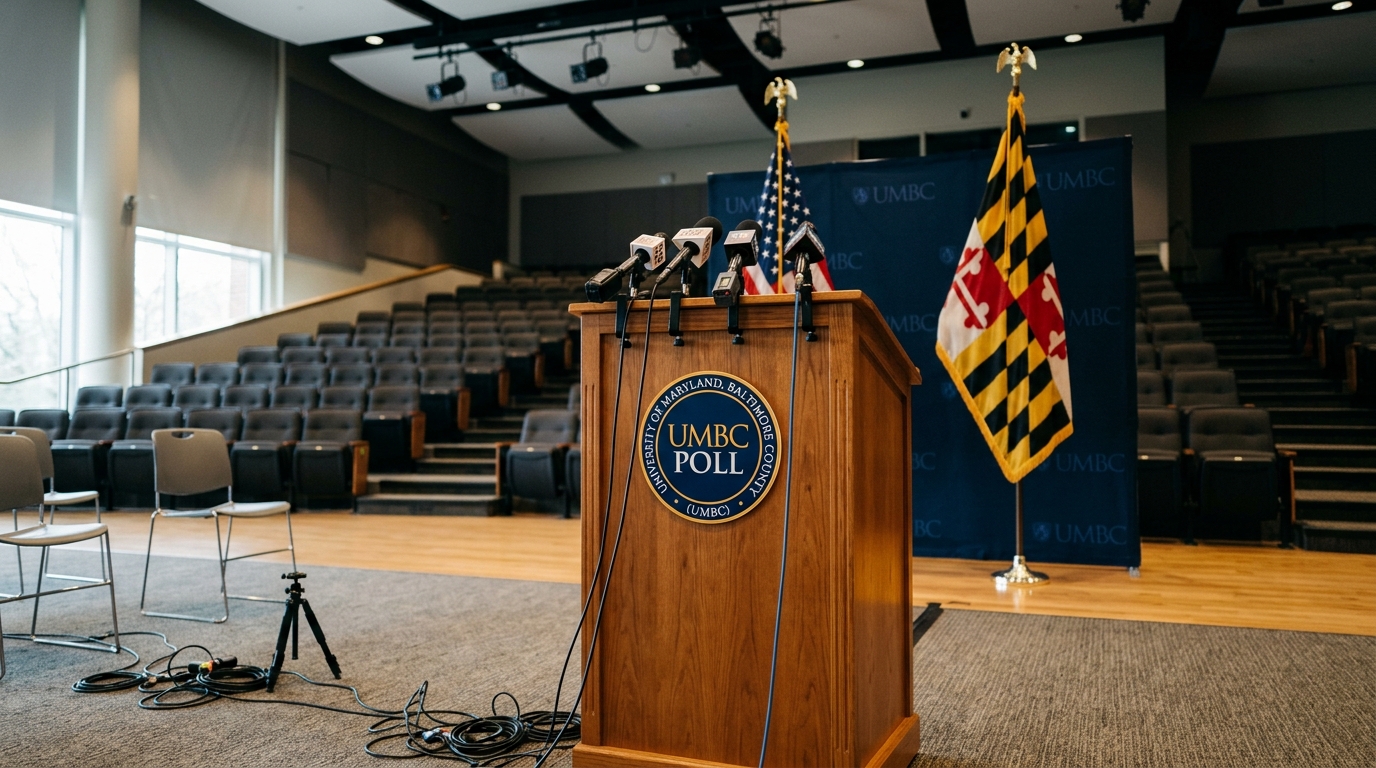
Understanding the Poll's Implications
A 2-to-1 lead in a statewide contest is a significant indicator, often signaling a candidate has successfully consolidated support and broadened their appeal beyond their core base. For Wes Moore, this suggests his campaign has resonated strongly with a broad spectrum of Maryland voters. This kind of margin can energize a campaign, boosting fundraising efforts and volunteer morale, while potentially making it harder for the opposing campaign to gain traction.The Maryland Political Landscape
Maryland's political identity is complex, marked by dense urban and suburban populations that tend to vote Democratic, alongside more rural areas that often lean Republican. This creates a fascinating electoral map where candidates must build coalitions across diverse communities. The I-270 corridor, encompassing parts of Montgomery and Frederick counties, represents a crucial swing area that often reflects broader statewide trends. A strong showing for either candidate here can be indicative of their wider appeal. For a Republican candidate like Dan Cox, overcoming a 2-to-1 deficit would require an extraordinary shift in voter sentiment. It would necessitate a significant mobilization of his base, a compelling argument to sway undecided voters, and potentially a misstep from the opposing campaign. Cox's strategy would likely need to focus on drawing stark contrasts and energizing voters who might feel disengaged from the current political dialogue. On the other hand, for Wes Moore, maintaining such a lead would be the primary goal. His campaign would likely focus on voter turnout, ensuring that supporters are registered and motivated to cast their ballots. The challenge for a frontrunner is often to avoid complacency and to continue actively engaging with voters, rather than assuming victory is assured. The campaign would likely emphasize their platform and vision for Maryland, reinforcing the reasons why voters are currently favoring them.Campaign Strategies and Voter Engagement
A poll like this from UMBC can act as a catalyst for both campaigns, albeit in different ways. For the trailing campaign, it can serve as a wake-up call, prompting a reassessment of messaging, targeting, and resource allocation. It might lead to a more aggressive campaign style, an increase in advertising, or a greater focus on specific issues designed to resonate with particular demographics. The goal would be to chip away at the opponent's lead, one percentage point at a time. Conversely, for the leading campaign, the poll can be a tool for continued momentum. It can help in securing additional endorsements, attracting more volunteers, and encouraging donors to contribute, all of which are vital for expanding reach and impact in the final stretch of an election. The narrative shifts from "can they win?" to "by how much will they win?", which can itself influence voter perception and participation. Voter engagement is crucial, regardless of poll numbers. Even with a significant lead, a campaign must ensure its supporters turn out to vote. This involves extensive ground game efforts, including door-knocking, phone banking, and digital outreach. For voters, these poll results can impact their perception of the race's competitiveness. Some might feel more inclined to vote if they believe their candidate needs every vote, while others might feel less urgency if their candidate appears to be cruising to victory. It's a delicate balance that campaigns constantly manage. Information on voter registration and election dates can be found on the Maryland State Board of Elections website.The Role of University Polls
University-sponsored polls, like those conducted by UMBC, often carry a particular weight in political discourse. They are typically seen as independent and non-partisan, focused on academic rigor and providing an accurate snapshot of public opinion at a given moment. Unlike polls commissioned directly by campaigns or political parties, university polls are usually transparent about their methodology, including sample size, margin of error, and the dates of data collection. While the details of this specific poll beyond the 2-to-1 margin are not publicly detailed in the source, the institutional backing of UMBC lends credibility to its findings. These polls serve a vital function in a democratic society by offering insights into the public's mood and preferences. They can help voters understand the dynamics of a race, inform journalists' coverage, and guide candidates in refining their messages. However, it's always important to remember that polls are snapshots in time, not predictions. Voter sentiment can shift, events can alter public opinion, and turnout on Election Day can always surprise. More about the university can be found at the University of Maryland, Baltimore County official site.Looking Ahead for Maryland Residents
As the Maryland gubernatorial election moves into its final phases, all eyes will be on how both campaigns respond to this UMBC poll. Will Dan Cox manage to close the gap with a strong push in the coming weeks? Or will Wes Moore leverage this momentum to further solidify his position and prepare for a commanding victory? The stakes are high for Maryland residents, as the next governor will confront critical issues ranging from economic development and public safety to environmental protection and education funding. Voters across the DMV, particularly those in Maryland, should stay engaged, examine the candidates' platforms, and prepare to cast their ballots. The political landscape is always dynamic, and while polls provide valuable insights, the ultimate decision rests with the electorate. What happens in the weeks leading up to Election Day will be crucial in determining who leads Maryland for the next four years. Residents can learn more about the candidates' visions for the state by visiting their official campaign websites: Wes Moore for Maryland and Dan Cox for Governor.📍 Local Resources
Official source for voter registration, election dates, polling place information, and candidate details for all Maryland elections.
Local election information, voter services, and polling location details specific to Montgomery County residents.
Provides election services, voter registration, and information on local candidates and ballot initiatives for Frederick County.
Explore more on this topic
Related Stories
DC Eyes Free, Streamlined Back-to-School Paperwork to Ease Family Burdens
Arlington GOP Throws Support Behind Independent Audrey Clement for County Board, Skips Treasurer Race
The Arlington County Republican Committee has announced its support for independent candidate Audrey Clement in the County Board race, while notably criticizing both contenders and opting not to endorse anyone in the special election for county treasurer. This strategic move could reshape local politics in Arlington.
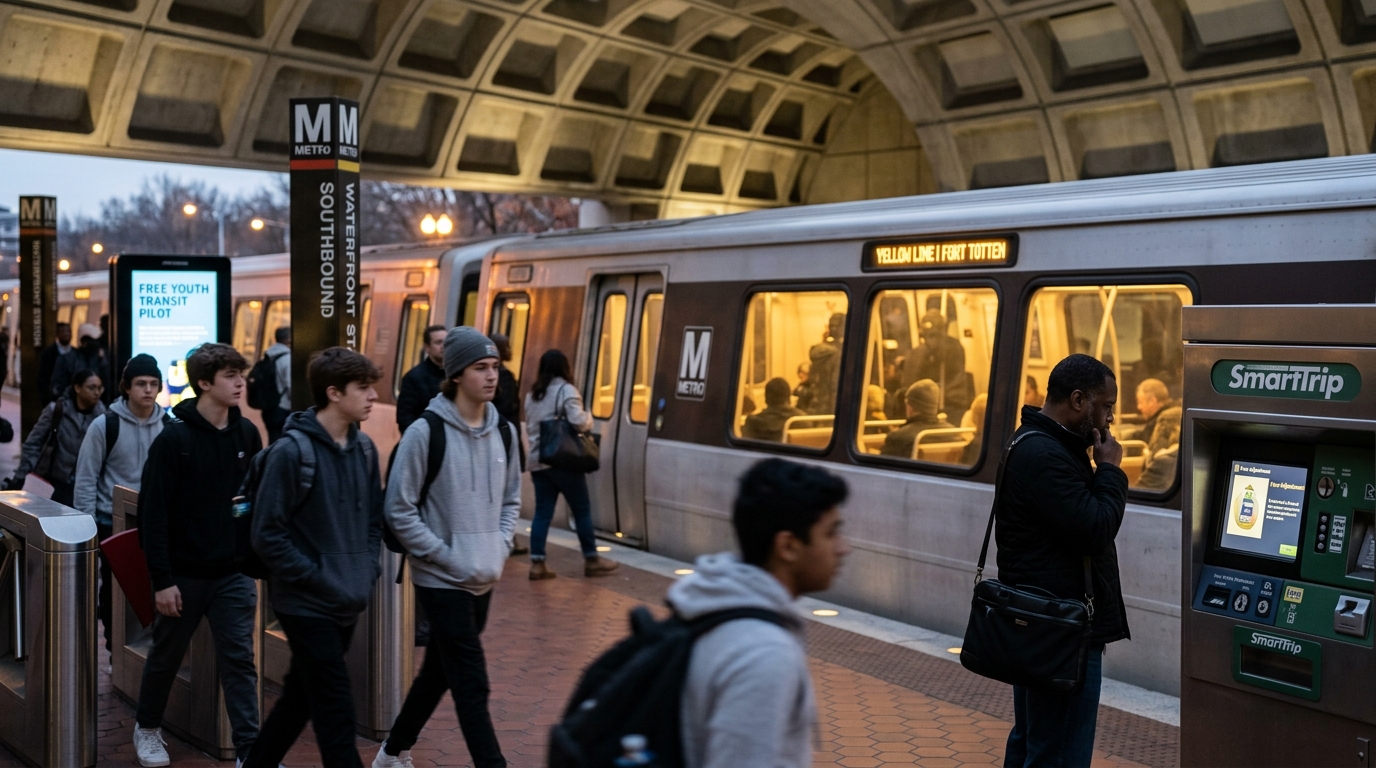
Metro Proposes Fare Hike Alongside Free Rides for DMV Youth
Metro has proposed a significant change to its fare structure, including a system-wide increase for many riders and free access for DMV youth. This plan aims to address financial challenges while boosting accessibility for young people across the region.