DMV Latino Evangelical Leaders Call for Renewed TPS Protections
Share this article
Understanding Temporary Protected Status
Temporary Protected Status is a humanitarian immigration program established by Congress in 1990. It allows eligible foreign nationals from certain countries to live and work in the U.S. temporarily if their home countries are deemed unsafe for return due to armed conflict, environmental disaster, or other extraordinary and temporary conditions. For many, TPS has offered a crucial lifeline, allowing them to escape danger and contribute to American society, including right here in the DMV. The program doesn't offer a path to permanent residency or citizenship, but it does provide relief from deportation and authorization to work. Over the years, countries like El Salvador, Honduras, Nicaragua, and Haiti have been designated for TPS, with their statuses periodically reviewed and either extended or terminated by the Department of Homeland Security. You can find more details on current TPS designations and eligibility requirements on the official U.S. Citizenship and Immigration Services website.Why DMV Leaders Are Speaking Up
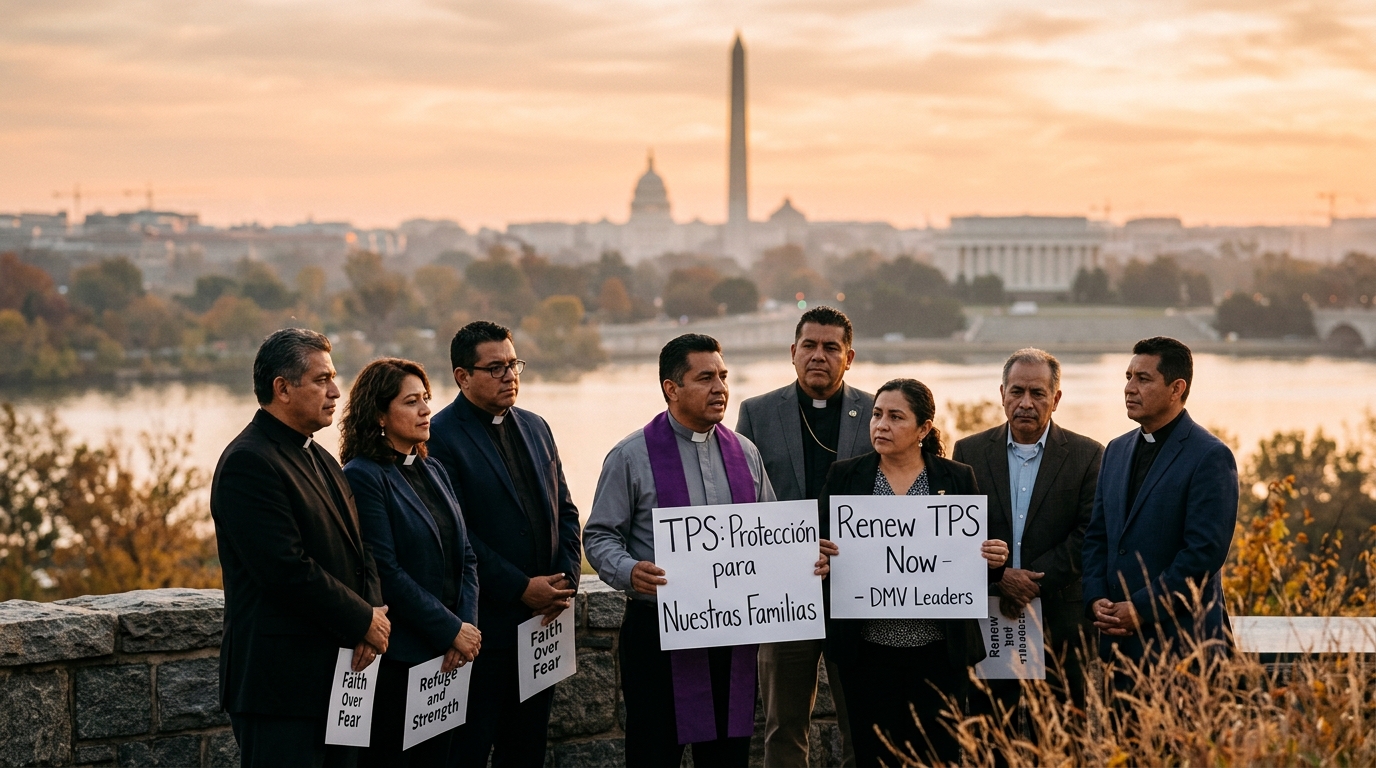
The DMV area is home to one of the largest concentrations of TPS holders in the nation, particularly from Central American countries. These individuals are integral to our local economy, working in essential sectors from construction and hospitality to healthcare and small businesses. Their children attend our schools, and their families worship in our churches. The potential termination of TPS for any group sends ripples of anxiety through entire communities. "Our congregants are deeply concerned about their futures," explains one local pastor whose church serves a large Salvadoran immigrant population in Northern Virginia. "They've been here for twenty years, paying taxes, raising American-born children. To suddenly pull the rug out from under them would be devastating for them and for our region." While no specific quotes were available from the recent gathering, the sentiment echoes years of advocacy from faith-based groups. Latino evangelical leaders often find themselves at the intersection of faith and social justice, feeling a moral imperative to speak out on issues affecting their communities. Their call for a TPS extension reflects a belief that these individuals deserve continued protection and a chance to live without the constant fear of deportation. This advocacy is rooted in long-standing traditions of supporting vulnerable populations and promoting family unity.The Impact on DMV Residents
For thousands of residents across Washington, D.C., Maryland, and Northern Virginia, the outcome of these TPS decisions is profoundly personal. An extension means continued stability: children can remain in their schools without fear of their parents being deported, families can plan for the future, and local businesses retain vital employees. Without an extension, the consequences could be severe. Local service providers, non-profits, and legal aid organizations in the DMV are already stretched thin, preparing for various scenarios. They understand that policy changes at the federal level have direct, tangible impacts on the ground, affecting everything from housing stability to mental health services for families facing uncertain futures. Organizations like Ayuda and Capital Area Immigrants' Rights Coalition frequently assist clients navigating complex immigration laws, including TPS. The leaders are hoping their collective voice, amplified by the moral weight of their congregations, will sway federal decision-makers to grant further extensions. They emphasize that these are not new arrivals but long-term residents who have integrated into American society and contribute significantly to its social and economic fabric. The situation remains fluid, with ongoing debates in Washington about immigration policy. For DMV residents, especially those in immigrant-rich areas like Falls Church, Takoma Park, and Manassas, keeping an eye on these federal decisions is crucial. The advocacy from Latino evangelical leaders is a powerful reminder that behind every policy, there are real people and real lives at stake in our local communities.📍 Local Resources
Provides legal, social, and educational services to low-income immigrants in Washington, D.C., Maryland, and Virginia.
Offers legal assistance to immigrants, particularly those in detention, across the DMV region.
Provides affordable legal representation and advice to immigrants and refugees in the D.C. metropolitan area.
Explore more on this topic
Related Stories

Chesapeake Bay's "Most Political Fish" Sparks Intense Debate Over Ecosystem Health
The fight over Atlantic menhaden, a small but critical fish in the Chesapeake Bay, is intensifying, pitting environmentalists and recreational anglers against the commercial fishing industry. The debate centers on the menhaden's vital role as a food source for larger predators and its impact on the Bay's overall ecosystem, directly affecting DMV residents.

Marylanders Across the State, Including DMV, Reject Data Centers, UMBC Poll Finds
Harborplace Developer Opts Out of Formal Downtown Tax Break Application in Baltimore
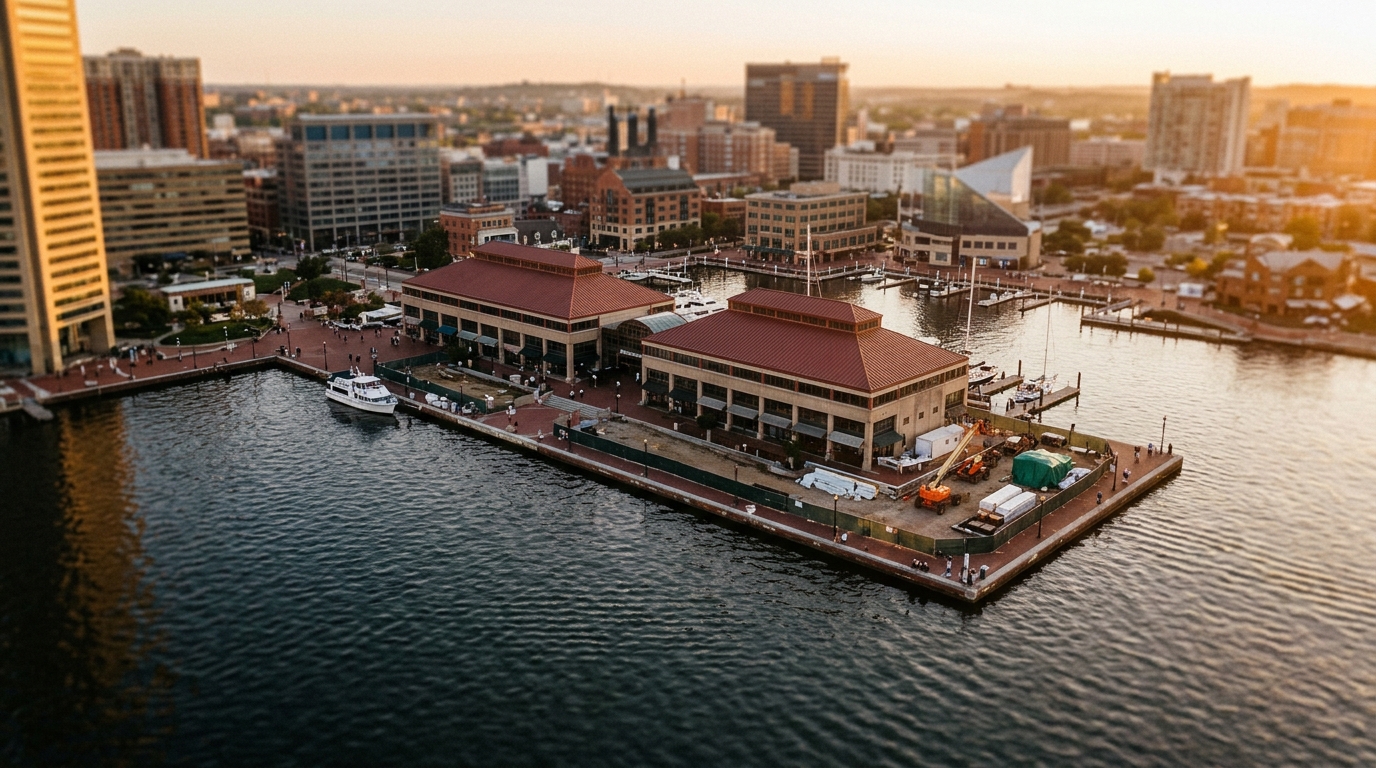
The developer behind the major Harborplace redevelopment in Baltimore never formally applied for a downtown tax break, signaling a potentially different financial approach for the iconic Inner Harbor project. This decision could impact the project's funding structure and the city's strategy for future large-scale developments, with implications for taxpayers and urban revitalization efforts.