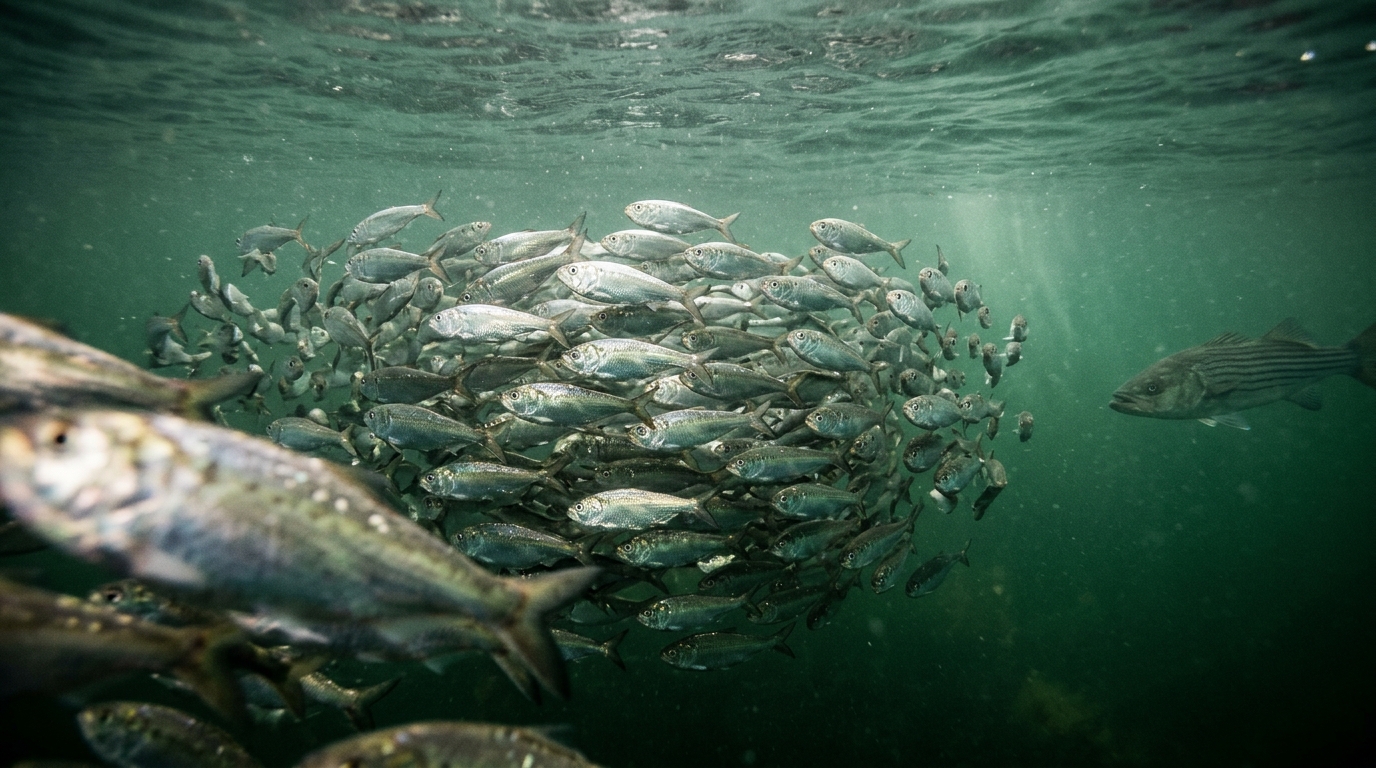
The unassuming Atlantic menhaden, a small, silvery fish swimming in the depths of the Chesapeake Bay, has become the unlikely epicenter of a heated battle. This isn't just about fish; it's about the health of our beloved Bay, the livelihoods of diverse fishing communities, and the delicate balance of an ecosystem that supports everything from crabs to rockfish. The fight over how many of these crucial filter feeders can be caught is reaching a critical point, pitting environmentalists and recreational anglers against the powerful commercial fishing industry. At the heart of the debate is the menhaden's vital role as a forage fish – essentially, food for larger predators like striped bass (rockfish), osprey, and even whales. For decades, a significant portion of the menhaden population has been harvested by a single company, Omega Protein, which processes the oily fish into products like fish oil supplements and animal feed. This "reduction fishery" has long been a point of contention, with critics arguing it depletes a critical food source, while the industry maintains its operations are sustainable.
Recreational fishing contributes an estimated $4.4 billion to Virginia’s economy alone, dwarfing the menhaden industry’s roughly $30 million.
### Why Menhaden Matter So Much to the Bay Menhaden are often called the "most important fish in the sea" for a good reason. They're filter feeders, meaning they help clean the Bay's waters by consuming phytoplankton and algae. More importantly for the ecosystem, they are a primary food source for many of the Bay's iconic species. Without enough menhaden, predators like rockfish struggle to find enough to eat, impacting their populations and, by extension, the recreational fishing industry that thrives on them. "The fish are a vital part of the food web," said Chris Moore, a senior scientist with the Chesapeake Bay Foundation (The Baltimore Banner). "They’re a keystone species." This sentiment is echoed by countless environmental groups and recreational fishing associations across the DMV, who argue that the Bay simply can't afford to lose such a foundational species to industrial harvesting. ### The Commercial Fishing Controversy The reduction fishery for menhaden in the Chesapeake Bay is largely controlled by Omega Protein, a subsidiary of Canadian-based Cooke Inc. Their operations involve large trawlers that can scoop up massive quantities of menhaden, raising concerns about localized depletion. While the Atlantic States Marine Fisheries Commission (ASMFC) sets coast-wide quotas for menhaden, the specific management within the Bay has been a source of ongoing friction. Virginia is the only state on the Atlantic coast that permits the industrial harvesting of menhaden within the Bay itself, a policy that has long drawn the ire of Maryland and other stakeholders. "It’s a huge fight that brings out a lot of emotion,” remarked Joe Gordon, a former chairman of the Virginia Marine Resources Commission and a past member of the ASMFC (The Baltimore Banner). The commercial industry argues that its practices are regulated and provide essential products, contributing to local economies. However, the economic impact of recreational fishing, particularly for rockfish, far surpasses that of the menhaden reduction fishery in the region. ### The Regulatory Battleground The Atlantic States Marine Fisheries Commission (ASMFC), an interstate compact that manages shared marine resources, is the primary body tasked with setting menhaden quotas. The Commission has faced immense pressure to implement more conservative management strategies for menhaden, especially within the Chesapeake Bay. Maryland, for instance, has long advocated for stricter limits or even a ban on the reduction fishery in the Bay, citing concerns about its impact on the ecosystem and recreational fishing. Conversely, Virginia has historically defended its right to manage its portion of the Bay's menhaden fishery, often delaying or resisting more restrictive measures. This divergence in state policy has created a political stalemate, with the fate of the menhaden, and by extension the Bay's health, hanging in the balance. The ASMFC’s recent actions, including a finding of non-compliance against Virginia in 2020 for exceeding its quota, signal a growing push towards stricter oversight. ### What This Means for DMV Residents For residents across the DMV – from the shores of Annapolis to the neighborhoods of Alexandria and the parks of Montgomery County – the debate over menhaden has tangible implications. A healthy menhaden population means a healthier Chesapeake Bay, which translates to better water quality, thriving recreational fishing opportunities, and a more robust ecosystem overall. The Bay is a natural treasure, providing economic benefits through tourism, recreation, and commercial seafood, and its ecological stability directly impacts the quality of life for millions. The ongoing discussions at the ASMFC and within state legislatures in Maryland and Virginia will determine the future of this critical fish. Decisions made in the coming months could lead to changes in fishing quotas, potentially altering the landscape of both commercial and recreational fishing in the Bay. Watch for public hearings and updates from state natural resources departments, as these policy shifts will ripple through the local environment and economy.
📍 Local Resources
Chesapeake Bay Foundation
Advocates for the health of the Chesapeake Bay through environmental education, policy, and restoration.