Baltimore School Board Race: All Democrats, But Where Do Candidates Land on the Left?
Share this article
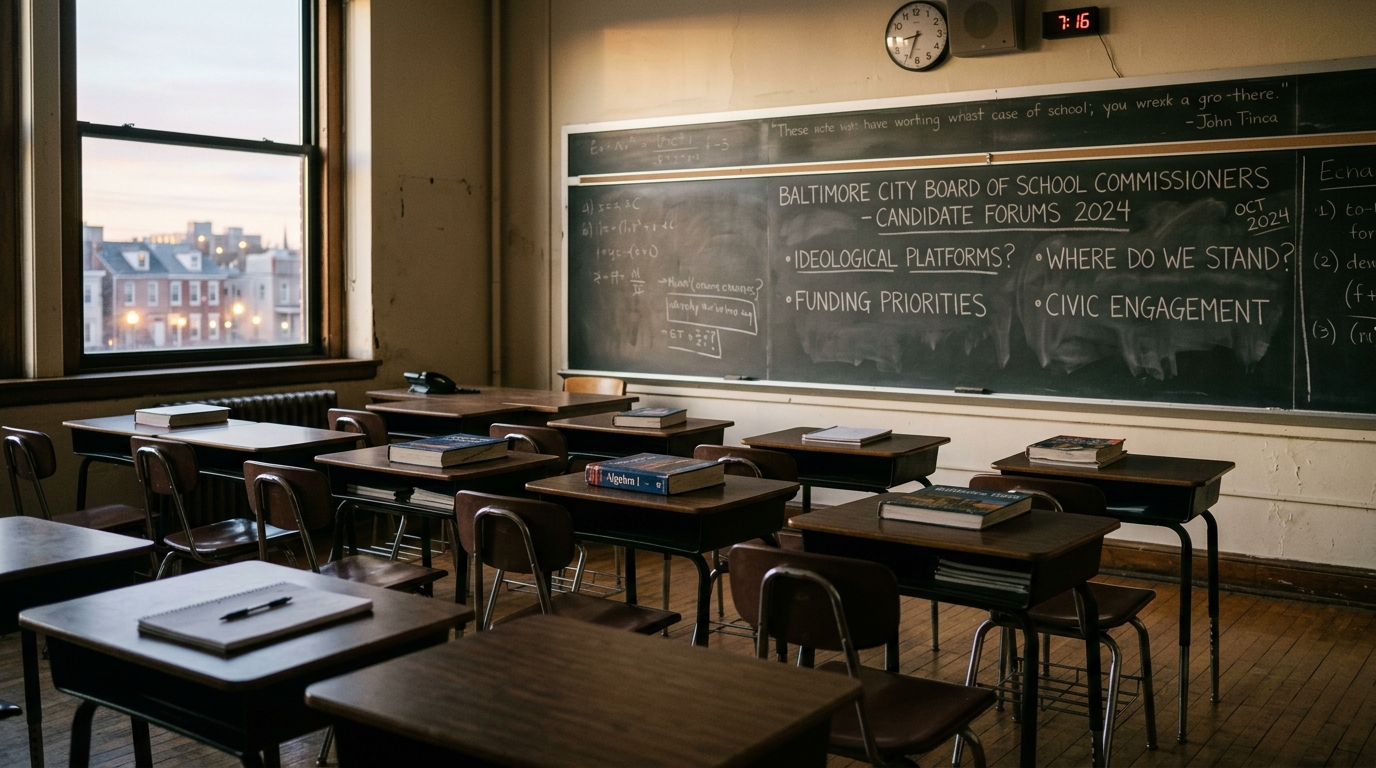
Navigating the Nuances of a One-Party Race
When all candidates share the same party affiliation, the traditional markers for voter choice often blur. In such scenarios, voters aren't just looking at "Democrat versus Republican" but rather "Democrat A versus Democrat B," exploring differences in approach, priorities, and ideological depth. For the Baltimore school board race, this means scrutinizing how candidates interpret core progressive values within an educational context. Are they advocating for universal pre-kindergarten with robust wraparound services? What are their stances on restorative justice practices versus traditional disciplinary models? How do they propose to address the persistent achievement gaps and funding disparities that have long plagued urban school districts? These are the kinds of questions that will define the ideological spectrum in this election. For many Baltimoreans, the "left" isn't a monolithic bloc; it encompasses a wide range of views on everything from curriculum development to community control.The Role of Local Elections in a Democratic Stronghold
Local elections, particularly for school boards, often see lower voter turnout compared to federal or state races. Yet, their impact is arguably more direct and immediate on communities. In Baltimore, a city with a rich history and ongoing challenges, the school board is a vital institution for shaping the next generation. The fact that all candidates are Democrats reflects the city's political leanings, but it also places a greater burden on voters to be informed. This dynamic encourages a more granular level of political engagement. Instead of relying on party platforms, voters must engage with candidate forums, town halls, and individual campaign materials. They'll be listening for specifics on how candidates plan to leverage state and federal funding, collaborate with community organizations, and innovate within the existing school system structure. The question of "how far left" often translates into discussions about social equity, economic justice, and comprehensive support systems for students and families – issues deeply resonant in many Baltimore neighborhoods. For residents across the DMV, especially those in Baltimore City, this election serves as a crucial moment to engage with local governance. The choices made by the new Board of School Commissioners will directly affect the quality of education, the future workforce, and the overall well-being of the community. Understanding the candidates' positions on key educational reforms, equity initiatives, and fiscal responsibility is essential for informed participation in the democratic process. Voters should pay close attention to candidate statements on topics like teacher retention, student mental health, and partnerships with local businesses and non-profits.Beyond the Label: Policy and Vision
The phrase "how far left" can encompass a spectrum of policy positions in education. It might refer to a strong emphasis on social-emotional learning, a push for robust arts and music programs, or an aggressive stance on diversifying school staff. It could also touch on issues of school choice, charter schools, or the role of standardized testing. Each candidate, while identifying as a Democrat, will likely have distinct priorities and approaches within these broad areas. For example, one candidate might prioritize increased funding for special education services, advocating for a significant reallocation of resources. Another might focus on expanding community schools, where schools serve as hubs for social services, health clinics, and adult education programs, reflecting a more expansive view of the school's role. Yet another might champion reforms to address systemic inequities, pushing for policies that specifically target disparities in resources and opportunities for students from low-income backgrounds or historically marginalized communities. The Baltimore City school board election is a reminder that even within a dominant political party, there's a rich tapestry of ideas and approaches. It challenges voters to move beyond simple labels and engage with the substance of policy. The discussions and debates leading up to the election will undoubtedly shed more light on the specific visions each candidate holds for the future of Baltimore's children. As the election cycle continues, Baltimore residents should keep an eye on candidate forums and public statements to truly understand where each contender stands on the critical issues facing their schools. The future of Baltimore's youth depends on a well-informed electorate making thoughtful choices. More information on Baltimore City elections can be found on the Maryland State Board of Elections website and through local news coverage from outlets like Baltimore City Public Schools directly.Explore more on this topic
Related Stories

Chesapeake Bay's "Most Political Fish" Sparks Intense Debate Over Ecosystem Health
The fight over Atlantic menhaden, a small but critical fish in the Chesapeake Bay, is intensifying, pitting environmentalists and recreational anglers against the commercial fishing industry. The debate centers on the menhaden's vital role as a food source for larger predators and its impact on the Bay's overall ecosystem, directly affecting DMV residents.
Marylanders Across the State, Including DMV, Reject Data Centers, UMBC Poll Finds
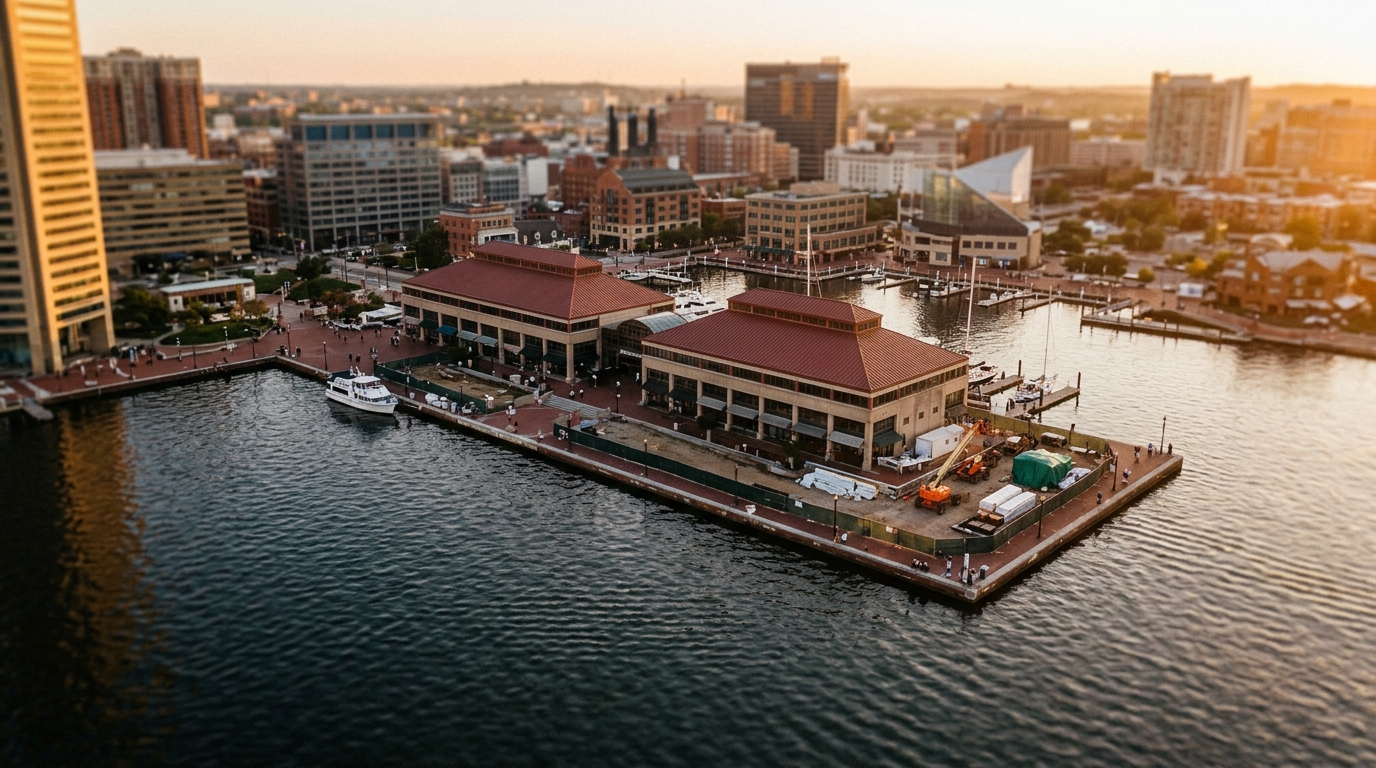
Harborplace Developer Opts Out of Formal Downtown Tax Break Application in Baltimore
The developer behind the major Harborplace redevelopment in Baltimore never formally applied for a downtown tax break, signaling a potentially different financial approach for the iconic Inner Harbor project. This decision could impact the project's funding structure and the city's strategy for future large-scale developments, with implications for taxpayers and urban revitalization efforts.