Baltimore School's AI Surveillance System Mistook Doritos Bag for a Gun, Teens Say
Share this article
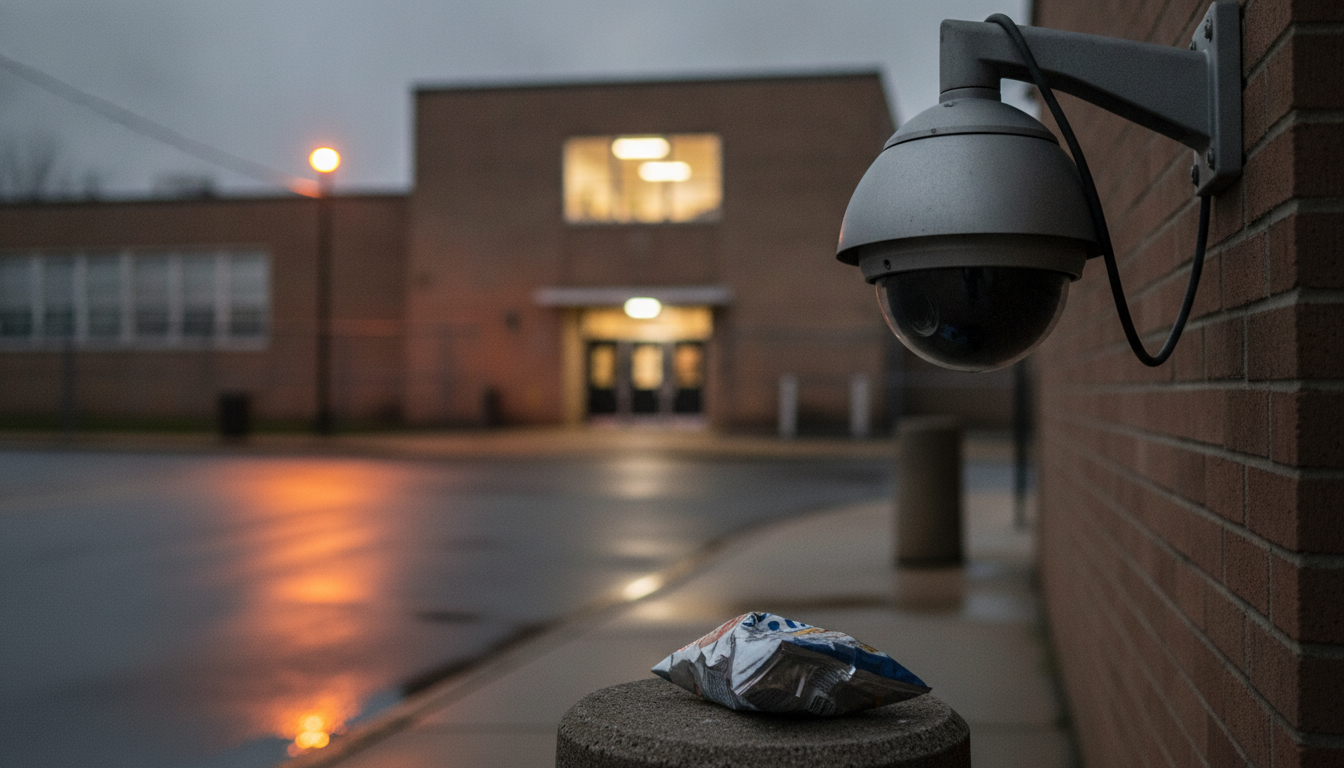
The Incident: A Snack, A Scare
According to the teens involved, the AI-powered surveillance system flagged a seemingly innocuous bag of Doritos as a weapon. While the exact details of the system's activation or the immediate response from school officials weren't extensively detailed, the core claim from students points to a clear misidentification by the automated monitoring technology. It's a scenario that brings into sharp focus the limitations of current AI object recognition, especially in dynamic, real-world environments with varying lighting, angles, and interpretations of everyday items. This isn't just about a bag of chips; it's about the implications of a system designed to identify threats failing in a critical way. When an AI system incorrectly flags a harmless item as a dangerous weapon, it raises questions about its precision and the protocols in place to verify such alerts. For students and staff, such incidents can create a sense of unease, wondering if the technology meant to keep them safe could inadvertently cause a crisis.The Rise of AI in School Safety
Across the DMV and beyond, school districts are increasingly exploring technological solutions to bolster security measures. From advanced door locks to facial recognition and AI-driven surveillance, the market for school safety tech is booming. The promise is clear: provide real-time threat detection, prevent incidents, and offer peace of mind to parents and educators. Many schools within the Maryland public school system, including those in Baltimore, are constantly evaluating new ways to ensure a secure learning environment. However, the implementation of these systems also comes with a host of challenges. Technical glitches, like the one reportedly experienced in Baltimore, are a primary concern. False positives can lead to wasted resources, unnecessary evacuations, and heightened fear. Conversely, false negatives – a true threat being missed – could have devastating consequences. Striking the right balance between robust security and reliable technology is crucial.Navigating the AI Reliability Gap
The Baltimore incident highlights a significant "reliability gap" in some AI applications. While artificial intelligence has made incredible strides in image recognition, discerning between a crinkled snack bag and a firearm under less-than-ideal conditions remains a complex task. Factors like lighting, object orientation, resolution of the camera, and even the specific algorithms used can all influence accuracy.Implications for DMV Schools and Students
This Baltimore incident resonates across the entire DMV region, particularly for students, parents, and administrators in areas like Montgomery County, Prince George's County (though not covered by this publication), and Northern Virginia. As schools grapple with safety concerns, the allure of advanced technology is strong. But this situation underscores the need for caution and thorough due diligence. It prompts critical questions: Are these systems truly enhancing safety, or are they introducing new risks of misidentification and unnecessary alarm? For students, particularly those in Baltimore, this raises concerns about privacy and the constant feeling of being under surveillance. When an AI system can't distinguish between a snack and a weapon, it can breed distrust in the technology and the institutions deploying it. It emphasizes the importance of transparent policies regarding AI surveillance and mechanisms for students and parents to voice concerns. The broader conversation about student rights in Maryland schools, including privacy, becomes even more pertinent in this context.What's Next for AI in Education?
The reported misidentification at the Baltimore school is a critical learning moment for the future of AI in school safety. It highlights that technology alone isn't a silver bullet. Instead, it must be integrated thoughtfully, with human intelligence and empathy at its core. Moving forward, school districts will need to prioritize: * **Transparency:** Clearly communicating what technologies are in use, why, and how they function. * **Accuracy & Testing:** Demanding robust performance metrics from vendors and conducting thorough, real-world testing. * **Human Oversight:** Ensuring that AI alerts are always verified by trained personnel before any action is taken. * **Student & Community Input:** Engaging stakeholders in discussions about safety technology to build trust and address concerns. As the DMV continues to explore innovative solutions for school security, the experience from this Baltimore school serves as a valuable, albeit concerning, case study. It reminds us that while AI offers immense potential, its deployment in sensitive areas like education requires careful consideration, continuous evaluation, and a commitment to protecting both physical safety and the well-being of students. Residents across the region should keep an eye on how school boards and state education departments address these challenges, ensuring that security measures are both effective and respectful of student privacy.📍 Local Resources
Information on school safety initiatives, policies, and contacts for reporting concerns within Baltimore City schools.
Provides oversight for public education in Maryland, including resources for student support and school safety guidelines.
Advocates for civil liberties, including student privacy and rights in schools. Offers resources and legal guidance.
Explore more on this topic
Related Stories
Children's National Hospital Taps AI to Slash Emergency Room Wait Times
Children's National Hospital in Washington, D.C., is deploying artificial intelligence to predict patient volume and acuity in its emergency room, significantly cutting down wait times for families across the DMV. This innovative approach aims to improve efficiency and reduce stress during pediatric emergency visits.
Fairfax County Social Workers Embrace AI to Boost Family Time
Fairfax County is deploying artificial intelligence (AI) tools to help social workers reduce administrative tasks, allowing them to dedicate more time to directly assisting vulnerable families. This initiative aims to streamline paperwork and enhance the quality of support for residents across Northern Virginia.
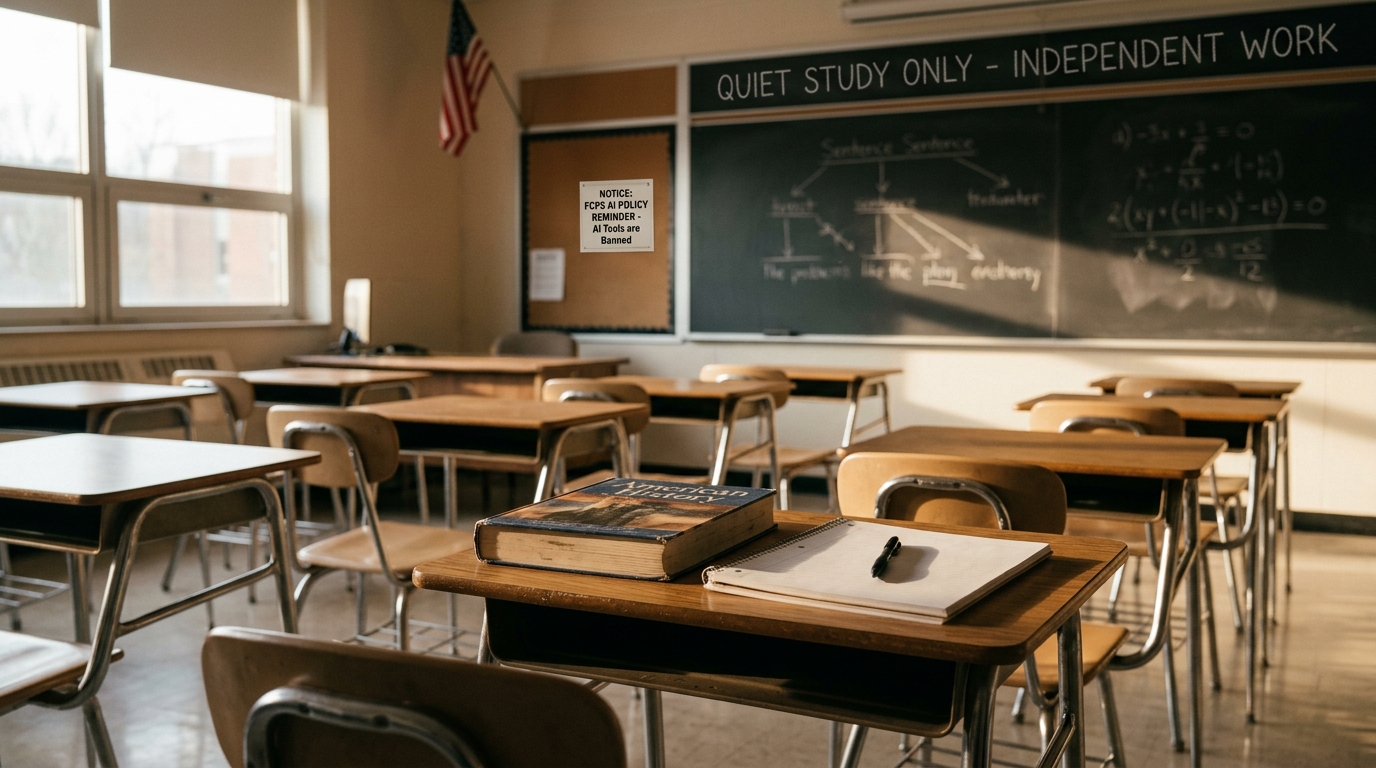
Frederick County Public Schools Implements Blanket AI Ban for All Students
Frederick County Public Schools has implemented a total ban on artificial intelligence tools for all students from pre-kindergarten through 12th grade, marking a significant policy shift for the DMV school system. The decision aims to ensure academic integrity and independent student work amidst the rapid rise of AI technologies.