Children's National Hospital Taps AI to Slash Emergency Room Wait Times
Share this article
How AI is Streamlining Pediatric ER Care
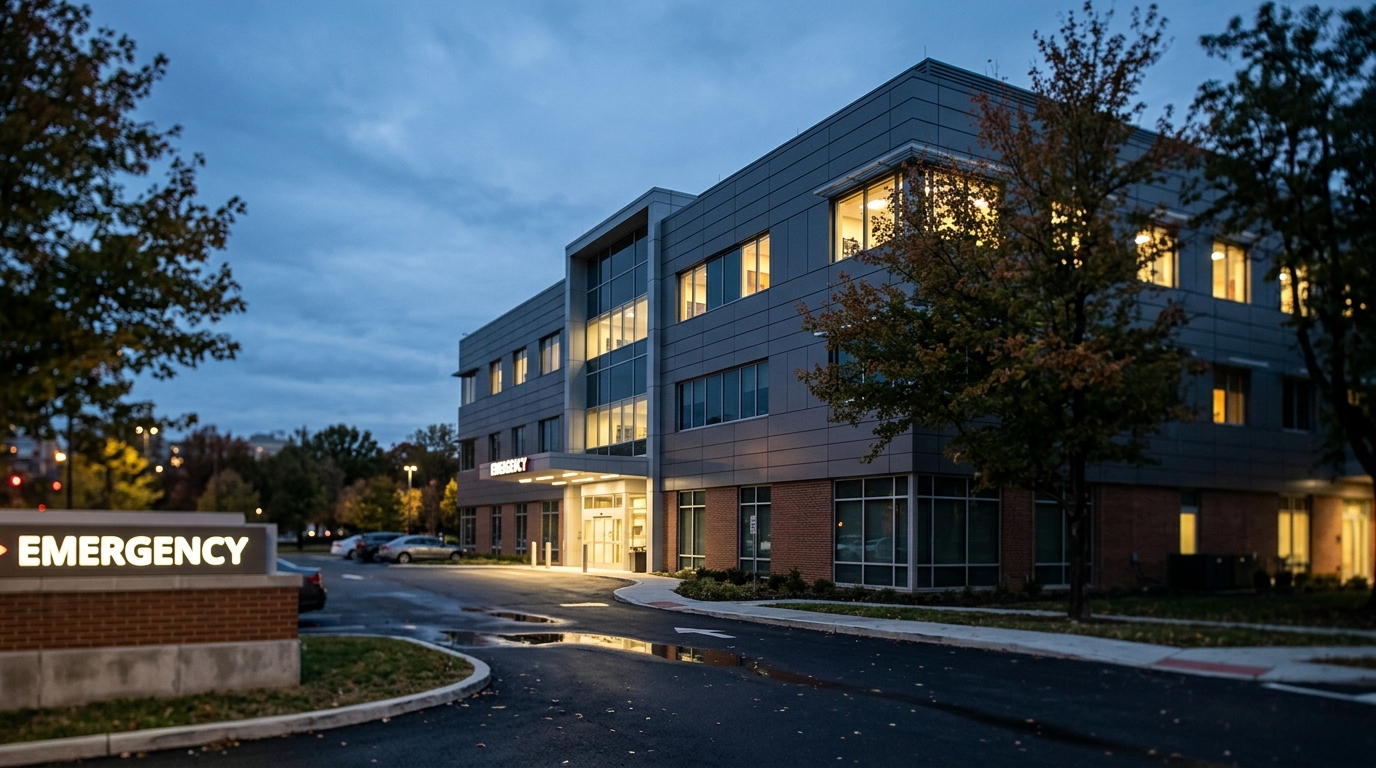
Children's National Hospital has deployed an AI-driven system designed to predict patient volume and acuity, which is a fancy way of saying how sick kids are and how quickly they'll need attention [1]. Imagine a sophisticated crystal ball for the emergency department, but instead of vague prophecies, it offers actionable data. This technology helps hospital administrators anticipate surges in patient arrivals, understand the types of cases they're likely to see, and then optimize staffing levels accordingly. The system crunches real-time data, looking at everything from historical patient trends to current weather patterns, which can often influence emergency room visits. By knowing in advance when the ER might get busy, and with what kinds of conditions, the hospital can ensure enough doctors, nurses, and support staff are on hand. This proactive staffing prevents bottlenecks and keeps patients moving through the system more efficiently, from triage to treatment and discharge.A Real Impact for DMV Families
For families living in D.C., Maryland, and Northern Virginia, this means less time spent in waiting rooms and more time getting their children the care they need. Children's National is a critical healthcare hub for pediatric care in our region, drawing patients from all corners of the DMV. Reducing wait times here has a ripple effect, easing stress for countless parents who bring their kids to the hospital's busy emergency department. The ability to predict when the ER will be busy, say, during flu season or after a major school event, means resources can be strategically deployed. This isn't just about efficiency; it's about improving the overall patient experience during what is often a very stressful time for children and their guardians. Shorter waits can also mean less exposure to other illnesses in crowded waiting areas, contributing to a safer environment for vulnerable young patients.The Technology Behind the Transformation
While the exact algorithms are complex, the core idea is machine learning – the AI learns from vast amounts of past data to make increasingly accurate predictions. It identifies patterns that human eyes might miss, allowing for a level of precision in forecasting that was previously impossible. This isn't replacing human judgment but augmenting it, providing healthcare professionals with powerful tools to make better, faster decisions. This kind of technological integration in healthcare is part of a broader trend across the nation, as hospitals look for innovative ways to improve operational efficiency and patient outcomes. The U.S. Department of Health and Human Services notes that AI in healthcare can lead to more personalized patient care and improved diagnostics, but its application in operational management, like at Children's National, is proving just as transformative.Looking Ahead: The Future of AI in Healthcare
The success at Children's National Hospital could serve as a blueprint for other healthcare facilities, both within the DMV and beyond. As AI technologies continue to evolve, their potential applications in medicine are only expanding. We could see even more sophisticated predictive models, AI-assisted diagnostics, and personalized treatment plans becoming standard practice. This initiative underscores a growing commitment in the healthcare sector to embrace advanced technology not just for clinical breakthroughs, but for fundamental improvements in how care is delivered. For parents in the DMV, it offers a glimpse into a future where emergency room visits, while never ideal, might be a little less daunting thanks to smart technology. What does this mean for local families? It means continued efforts to make healthcare more accessible and less stressful. As Children's National refines its AI strategy, other local hospitals may follow suit, potentially reshaping emergency care across the entire region. Keep an eye on how these technologies evolve, as they could soon impact a broader range of medical services in our community.📍 Local Resources for Pediatric Care
Leading pediatric care with advanced technology to reduce wait times.
Information on health services, public health programs, and healthcare providers in Washington, D.C.
Another key D.C. area hospital offering comprehensive pediatric services.
Explore more on this topic
Related Stories

Fairfax County Social Workers Embrace AI to Boost Family Time
Fairfax County is deploying artificial intelligence (AI) tools to help social workers reduce administrative tasks, allowing them to dedicate more time to directly assisting vulnerable families. This initiative aims to streamline paperwork and enhance the quality of support for residents across Northern Virginia.

Frederick County Public Schools Implements Blanket AI Ban for All Students
Frederick County Public Schools has implemented a total ban on artificial intelligence tools for all students from pre-kindergarten through 12th grade, marking a significant policy shift for the DMV school system. The decision aims to ensure academic integrity and independent student work amidst the rapid rise of AI technologies.