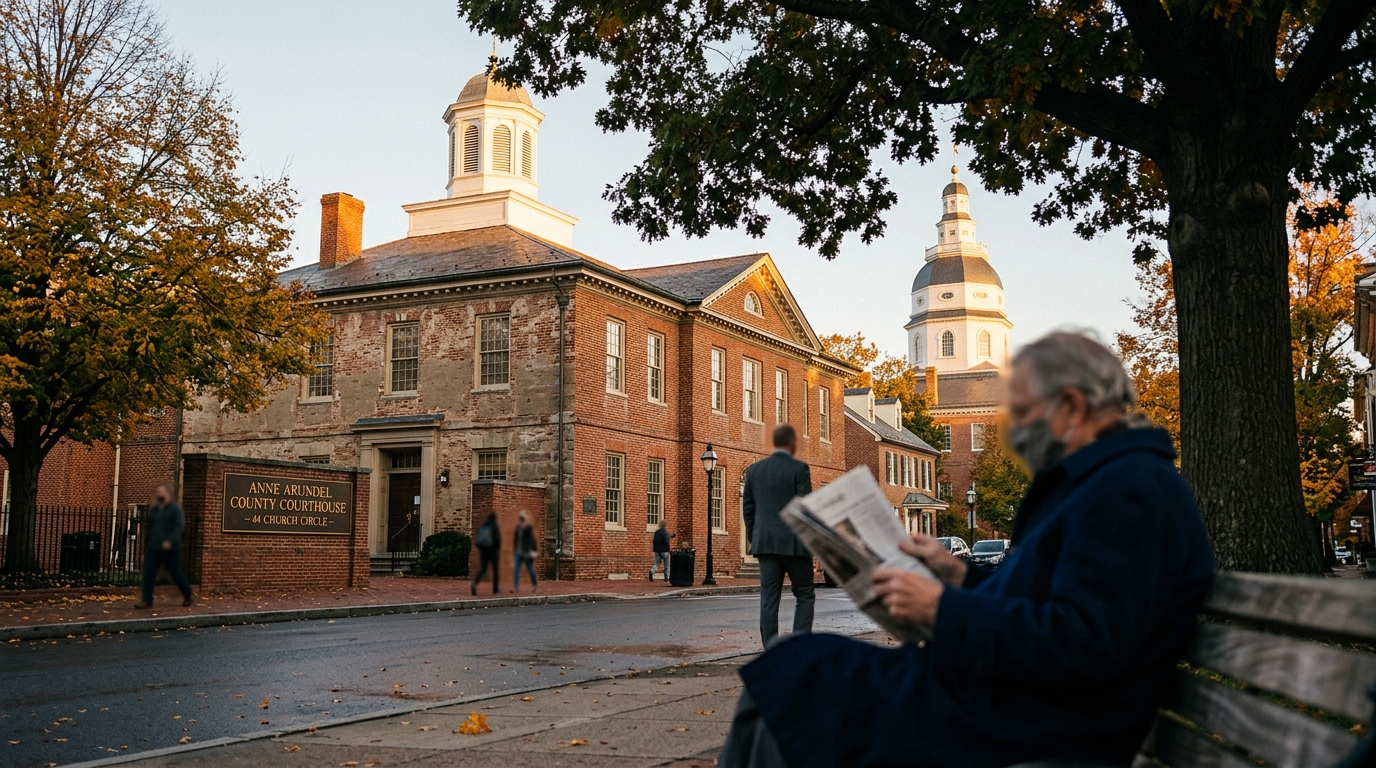
A Baltimore judge recently handed down a two-month sentence to Alexander Schultz for mortgage fraud, expressing a clear intent that the punishment should serve as a deterrent against similar financial crimes within the city's vital real estate market [1]. This judicial stance underscores the serious view courts take on fraud that can destabilize communities and undermine public trust in housing transactions. The ruling, delivered in a Baltimore courtroom, specifically targeted Alexander Schultz for his involvement in mortgage fraud. While the specifics of Schultz's scheme were not detailed in the judge's public statement, the two-month term reflects a deliberate effort to balance accountability with a forward-looking strategy to curb such illicit activities. The judge's emphasis on deterrence highlights a broader concern about the prevalence and impact of mortgage fraud across the region.
A Baltimore judge sentenced Alexander Schultz to two months for mortgage fraud, hoping the punishment deters future illicit activities.
### Understanding Mortgage Fraud in the DMV Mortgage fraud isn't a single, monolithic act; it encompasses a range of deceptive practices designed to misrepresent information to obtain a mortgage loan or to profit from the mortgage lending process. These schemes can involve individuals or organized groups and often lead to significant financial losses for lenders, homeowners, and even entire communities. Common forms of mortgage fraud include:
* **Straw Buyer Schemes:** An individual (the straw buyer) is used to obtain a mortgage, often with no intention of living in or paying for the property.
* **Income/Asset Misrepresentation:** Borrowers or brokers falsify income, employment, or asset information to qualify for loans they otherwise wouldn't receive.
* **Appraisal Fraud:** Appraisers collude with other parties to inflate a property's value, allowing for larger loans than the property is worth.
* **Equity Skimming:** Investors target homeowners in distress, convincing them to sign over their property deeds in exchange for false promises of help, then stripping the equity from the home. These fraudulent activities can lead to foreclosures, abandoned properties, and a decline in property values, directly impacting the economic health and stability of neighborhoods in Baltimore and beyond. The Federal Bureau of Investigation (FBI) provides extensive information on various types of financial fraud, including mortgage fraud, highlighting its detrimental effects on the national economy and individual citizens alike. For more details on common fraud schemes, residents can visit the FBI's mortgage fraud page. ### The Judge's Intent: Deterrence as a Guiding Principle The judge's expressed hope that Schultz's sentence will deter others is a fundamental aspect of the American justice system. Deterrence theory posits that the threat of punishment can discourage individuals from committing crimes. This can be either "general deterrence," aimed at preventing the general public from offending, or "specific deterrence," aimed at preventing the convicted individual from re-offending. In this Baltimore case, the judge's statement suggests an emphasis on general deterrence, sending a message to anyone considering similar fraudulent activities in the real estate sector. Sentencing judges in Maryland, like those across the country, weigh numerous factors when determining a suitable punishment. These often include the severity of the crime, the defendant's criminal history, the impact on victims, and the need for both punishment and rehabilitation. The goal is often to find a balance that serves justice while also protecting the public and discouraging future offenses. The Maryland Judiciary outlines the general principles and processes involved in criminal cases, which can be reviewed on the Maryland Courts website. ### Impact on Baltimore's Real Estate Landscape Baltimore's real estate market, like many urban centers, is a complex ecosystem constantly evolving with new developments, historic preservation efforts, and ongoing challenges. Mortgage fraud introduces a dangerous element of instability into this system. When fraudulent loans are made, they can lead to artificial inflation of property values, creating bubbles that eventually burst, or leave properties in limbo, affecting property taxes and community investment. For residents, mortgage fraud can manifest in several ways:
* **Increased Risk:** Homebuyers may unknowingly purchase properties tainted by previous fraudulent transactions.
* **Neighborhood Blight:** Foreclosures resulting from fraudulent loans can lead to vacant homes, which can attract crime and reduce the quality of life for neighbors.
* **Economic Strain:** Lenders absorb losses, which can ripple through the financial system, potentially affecting credit availability and interest rates for legitimate borrowers. The city of Baltimore itself has a vested interest in maintaining a transparent and fair real estate market to support its various revitalization projects and ensure equitable housing opportunities for its diverse population. Information on Baltimore City's housing initiatives and real estate data can often be found through the official Baltimore City government website. The judge's decision to specifically highlight deterrence in this two-month sentence sends a clear signal that the courts are actively working to safeguard the integrity of real estate transactions in Baltimore. It serves as a reminder that even seemingly complex financial crimes will be pursued and punished, with the hope that such actions will foster a more secure environment for homeowners, buyers, and sellers alike. Moving forward, DMV residents, especially those in Baltimore, should remain vigilant against potential fraud. Understanding the red flags associated with mortgage fraud and knowing where to report suspicious activity is crucial for protecting personal assets and contributing to the overall stability of the local housing market. The legal system’s continued focus on deterring these crimes means residents can expect courts to maintain a strong stance against financial deception in real estate.
📍 Local Resources
Maryland Office of the Attorney General - Consumer Protection Division
Investigates and mediates consumer complaints, including those related to real estate and financial fraud. Provides resources and legal guidance.
📍 Location: 200 St. Paul Place, Baltimore, MD 21202
🕐 Hours: Mon-Fri 9am-5pm
Maryland Volunteer Lawyers Service (MVLS)
Offers free civil legal assistance to low-income Marylanders, which can include issues related to housing and financial disputes, though not direct criminal defense.
📍 Location: 201 N. Charles Street, Suite 1300, Baltimore, MD 21201
🕐 Hours: Mon-Fri 9am-5pm
Baltimore County Department of Social Services - Housing Assistance
Provides various housing-related services and information, which might include resources for those impacted by housing fraud or seeking stable housing.