Arlington County Kicks Off Internal Review of Government Structure
Share this article
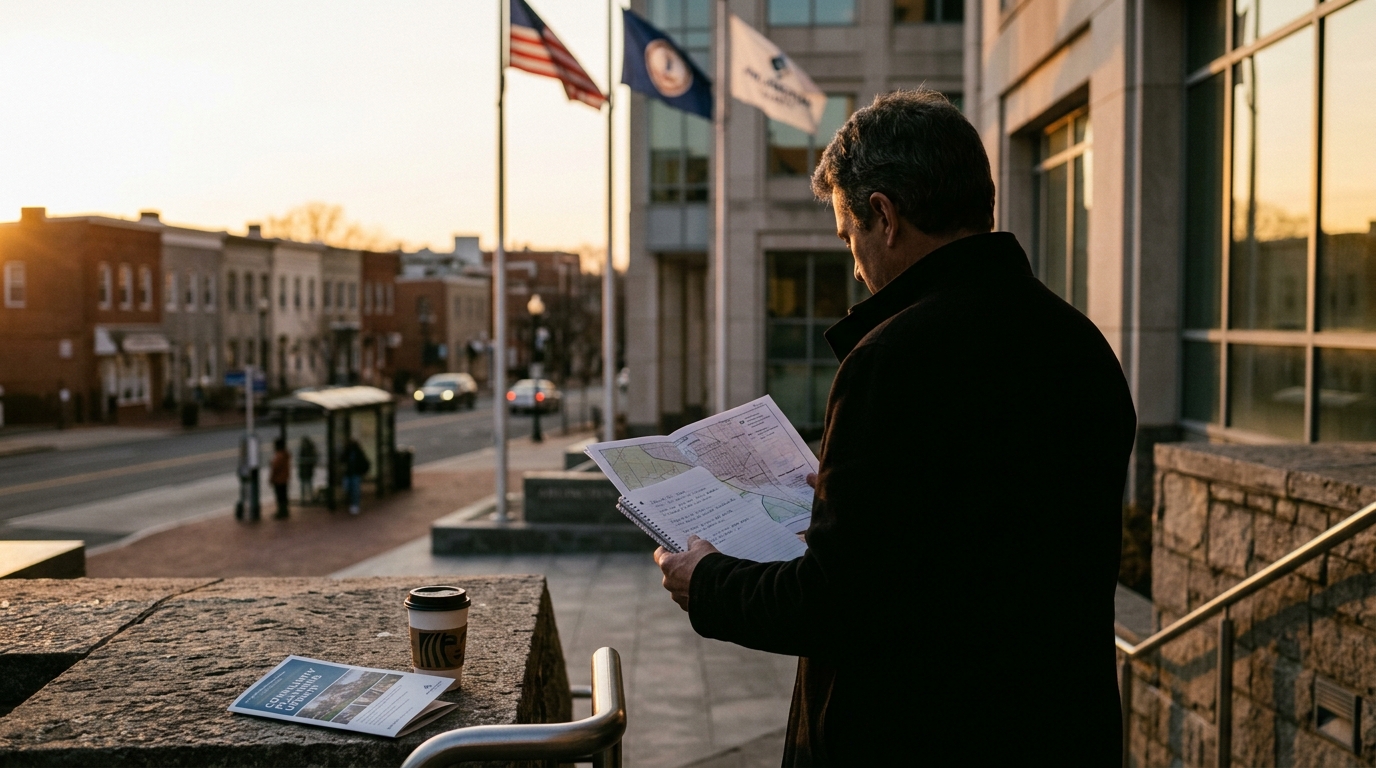
Why the Review Now?
Arlington has seen considerable transformation over the past decades. From its urban villages like Clarendon and Ballston to its more residential neighborhoods, the county is a bustling hub for federal workers, families, and businesses alike. This constant evolution brings with it new demands on infrastructure, public services, and community engagement. The current local government structure, like many in Virginia, typically operates under a County Board and a professional county manager, a model designed for efficiency and expert administration. However, as communities grow, questions naturally arise about whether existing frameworks are still the best fit. The upcoming internal review signals a proactive approach by Arlington County to assess its operational effectiveness. It suggests a recognition that what worked yesterday might need adjustments for tomorrow. While the specifics of what the review will entail are still emerging, the overarching goal appears to be an examination of how well the current system serves the county's diverse population and complex needs.What Could a "Different Form" Entail?
When we talk about "different forms of government," it opens up a range of possibilities, though it's important to stress that this internal review is just the *beginning* of an exploratory process. Most Virginia counties operate under the traditional manager-council system, where an elected board sets policy and hires a professional county manager to execute it. This model is often praised for its professional administration and insulation from political interference in day-to-day operations. However, other models exist. Some localities might consider a "strong mayor" system, where an elected mayor holds more executive power, directly overseeing departments and appointing officials. Another option could be variations on district-based representation for the County Board, rather than the current at-large system, which could give specific neighborhoods a more direct voice. Each model comes with its own set of advantages and challenges, impacting everything from accountability to policy implementation. This initial internal review will likely explore these various structures, weighing their potential benefits and drawbacks for a community like Arlington. It's about asking fundamental questions: Does the current structure foster enough community participation? Is it agile enough to address rapid changes? Does it ensure equitable representation across all parts of the county? For more on how local governments in Virginia are structured, residents can consult resources from the Commonwealth of Virginia's official website.Impact on Arlington Residents and Businesses
For those of us living and working in Arlington, this review isn't an abstract concept. It could directly influence how our voices are heard, how local taxes are spent, and how quickly the county responds to our concerns. A change in government structure could mean different avenues for citizen input, shifts in the priorities of elected officials, or even a restructuring of county departments that deliver essential services. Businesses might see changes in permitting processes or economic development strategies depending on how leadership roles are defined. Residents could find new ways to engage with their elected representatives or discover that the county's long-term planning takes on a different emphasis. It's a chance for Arlington to future-proof its governance, making sure it's set up to tackle challenges from affordable housing to transportation infrastructure effectively. This internal review is the first step in what could be a lengthy process. It's an opportunity for the county to reflect on its governance and consider potential improvements as it continues to evolve. Residents should keep an eye on official Arlington County Board meetings and announcements for updates on the review's progress and opportunities for public engagement.📍 Local Resources
General inquiries and directory for county departments.
Contact information for the County Board members and their staff.
Information on how to participate in local government, attend meetings, and provide feedback.
Explore more on this topic
Related Stories
DC Council Passes New Parking Enforcement Bill: What It Means for Washingtonians
The D.C. Council has passed a new parking enforcement bill, signaling potential changes for drivers, businesses, and residents across the District. This legislative action aims to refine how the city manages its curb space, impacting everything from traffic flow and safety to daily commutes and local commerce. Washingtonians should prepare for possible adjustments to fines, enforcement zones, and the overall parking landscape.
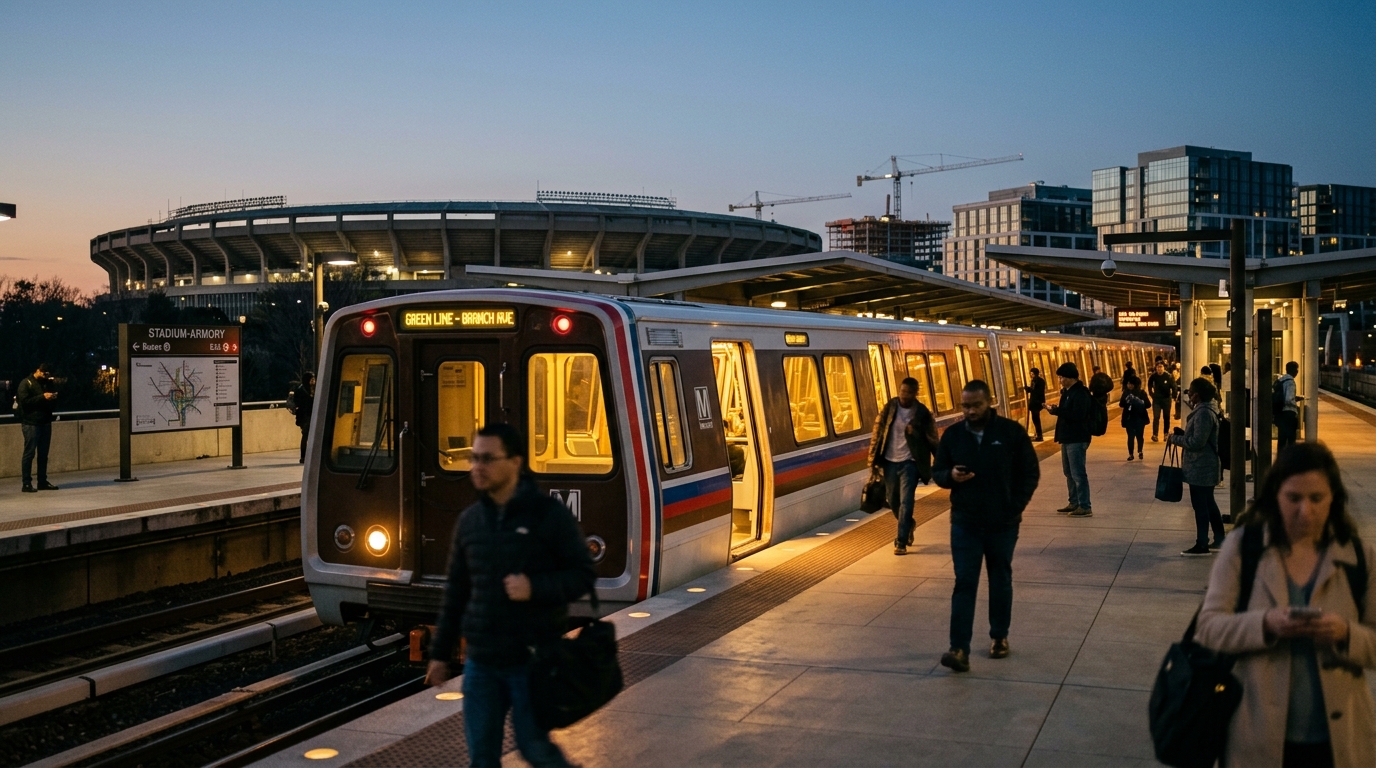
D.C. Council Greenlights $305 Million for Metro and Bus Upgrades Near RFK Stadium Site
The D.C. Council has approved $305 million for major Metro and bus upgrades near the RFK Stadium site, with most funds targeting the Stadium-Armory rail station to accommodate future visitors. This significant investment prepares the area for anticipated redevelopment and aims to enhance public transit accessibility for residents and event-goers.

D.C. Union Leader Sounds Alarm on Waymo's Threat to Local Driving Jobs
A D.C. union leader has raised serious concerns that the expansion of autonomous vehicle technology, particularly from companies like Waymo, could put thousands of local driving jobs at risk in Washington, D.C. The warning highlights a critical challenge for the capital's workforce and economy as technological advancements reshape traditional industries.