Politics
Montgomery County
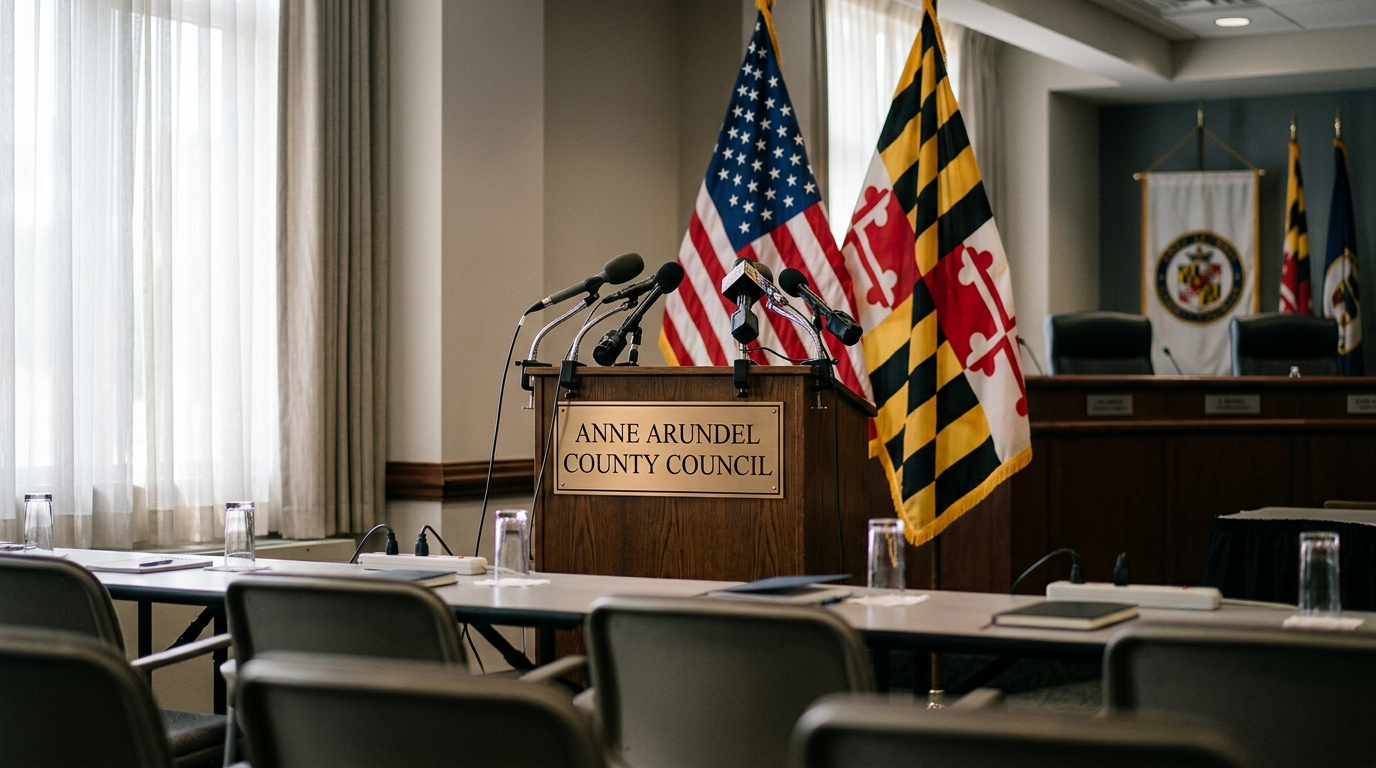
Anne Arundel County Council Debates $5,000 Fine for 'Political' Emails on County Resources
Share this article
Advertisement
A debate is brewing in Anne Arundel County that could put a hefty price tag on what officials send from their government inboxes. The County Council is grappling with a proposed ethics bill that would slap a $5,000 fine on anyone using county resources to send "political" emails, sparking a lively discussion about free speech, accountability, and the very definition of politics in public service. This isn't just about a few misplaced words; it's about drawing clear lines in the sand for how elected officials and county staff communicate with the public, especially when election cycles loom. The legislation, currently under consideration, aims to prevent the misuse of taxpayer-funded tools for campaign purposes or other activities deemed overly political. But as with many well-intentioned rules, the devil is in the details, particularly around what exactly constitutes a "political" email [1].
The proposed ethics bill includes a $5,000 fine for using county resources to send emails deemed "political."
### A Steep Price Tag for Public Service? The core of the proposed legislation focuses on the financial penalty. A $5,000 fine is a significant sum, designed to be a strong deterrent against misusing government resources. Proponents argue that such a penalty is necessary to maintain public trust and ensure that county resources, paid for by residents' taxes, are used strictly for official business. They believe it sends a clear message that the county's infrastructure — from email servers to office supplies — isn't there to aid political campaigns or partisan agendas [1]. However, critics worry about the chilling effect such a substantial fine could have on legitimate communication. Council members and their staff frequently engage with constituents on a wide array of topics, some of which inevitably touch upon policy decisions that have political implications. Could an email advocating for a particular zoning change, a new community program, or even just explaining a council vote be misconstrued as "political" and trigger an investigation? This concern highlights the need for precise language that protects both the integrity of county resources and the ability of elected officials to serve their constituents effectively. ### Defining 'Political': A Thorny Debate One of the biggest sticking points in the council's discussion is the elusive definition of "political." What one person considers a neutral update on county affairs, another might see as a thinly veiled attempt to sway public opinion or promote a particular viewpoint. The proposed bill leaves room for interpretation, and that ambiguity is where the friction lies. For instance, an email announcing a public forum on a controversial development project could be seen as a basic informational update. But if that email also subtly frames the project in a positive or negative light, does it cross the line into "political" territory? Council members often need to explain their positions on complex issues to their constituents. Drawing a clear distinction between informing the public and engaging in partisan advocacy, especially through written communication, is proving to be a challenge for the council. The Maryland State Ethics Commission provides guidelines for state employees, but local jurisdictions often craft their own rules to fit specific needs and contexts. ### Impact on Public Service and Communication For the residents of Anne Arundel County, these ethics bills could subtly shift how their elected officials communicate. If the rules are too restrictive or the penalties too severe, it might make council members hesitant to send out detailed explanations or engage in robust public discourse through email, fearing potential violations. This could lead to less transparency and a more cautious, less engaging form of public communication. On the other hand, if the bill passes with clear, enforceable guidelines, it could strengthen public trust by demonstrating a commitment to ethical conduct and responsible use of taxpayer dollars. Residents expect their government to operate with integrity, and clear rules about resource use are a part of that expectation. The balance lies in crafting legislation that prevents abuse without stifling the essential flow of information between government and its citizens. The goal, as many see it, is to foster an environment where public servants can communicate openly and effectively without blurring the lines between official duties and personal political ambitions. Understanding the intricacies of Anne Arundel County's legislative process is key for residents wanting to weigh in. ### The Broader Context of Ethics Reform This debate in Anne Arundel County isn't happening in a vacuum. Across the DMV, local governments are continually reviewing and updating their ethics policies to adapt to new technologies, evolving political landscapes, and heightened public expectations for transparency. From Prince William County in Virginia to Montgomery County in Maryland, local jurisdictions regularly face questions about the appropriate use of public funds, staff time, and resources. These discussions reflect a broader commitment to good governance and accountability, ensuring that public office is truly about public service. Many local governments, including Anne Arundel, have established ethics commissions to help interpret and enforce these rules. The outcome of this particular debate in Anne Arundel County will set a precedent for how "political" communication is handled and penalized moving forward. It's a complex issue, balancing the need for strict ethical standards with the practical realities of public engagement in a democratic society. As the Anne Arundel County Council continues to deliberate on these ethics bills, residents should keep an eye on how the definitions of "political" communication are refined and what implications the proposed fines could have. The decisions made here will directly influence the transparency and accessibility of local government, shaping how their elected officials interact with them and utilize county resources. Watch for further council meetings and public hearings for opportunities to provide input on this critical local issue.Advertisement
Explore more on this topic
Related Stories

Politics
Donald Trump Expected to Visit Baltimore County's Tradepoint Atlantic on Tuesday
Politics
Former President Donald Trump is reportedly planning a visit to Tradepoint Atlantic in Baltimore County on Tuesday, bringing national attention to the sprawling industrial hub that rose from the former Bethlehem Steel plant.
2 days ago4 min read

Politics
Maryland's 'Enough Initiative': Is Governor Moore Delivering on His Child Poverty Promise?
Montgomery County·Politics
Governor Wes Moore's "Enough Initiative" promised to end child poverty in Maryland. Over a year in, DMV residents are asking if this ambitious pledge is yielding concrete results for struggling families.
3 days ago5 min read

Politics
Maryland Cracks Down: First State to Ban Dynamic Pricing in Grocery Stores
Montgomery County·Politics
4 days ago5 min read