Politics
Montgomery County
Maryland's 'Enough Initiative': Is Governor Moore Delivering on His Child Poverty Promise?
Share this article
Advertisement
When Governor Wes Moore took office, he made an "audacious" promise to Marylanders: to end child poverty in the state. This wasn't just campaign rhetoric; it was a cornerstone of his administration's vision, encapsulated in what's known as the "Enough Initiative." Now, over a year into his term, many across the DMV are asking if that ambitious pledge is translating into tangible progress for families struggling to make ends meet in places like Silver Spring, Gaithersburg, and Frederick. The "Enough Initiative" is more than just a catchy name; it's a comprehensive strategy aimed at tackling the root causes of child poverty. It's designed to bring together various state agencies, community organizations, and private partners to create a safety net and pathways to economic stability for Maryland's most vulnerable children and their families. This isn't a small task, considering the complex web of factors contributing to poverty, from housing insecurity to lack of affordable childcare and limited access to quality education and healthcare.
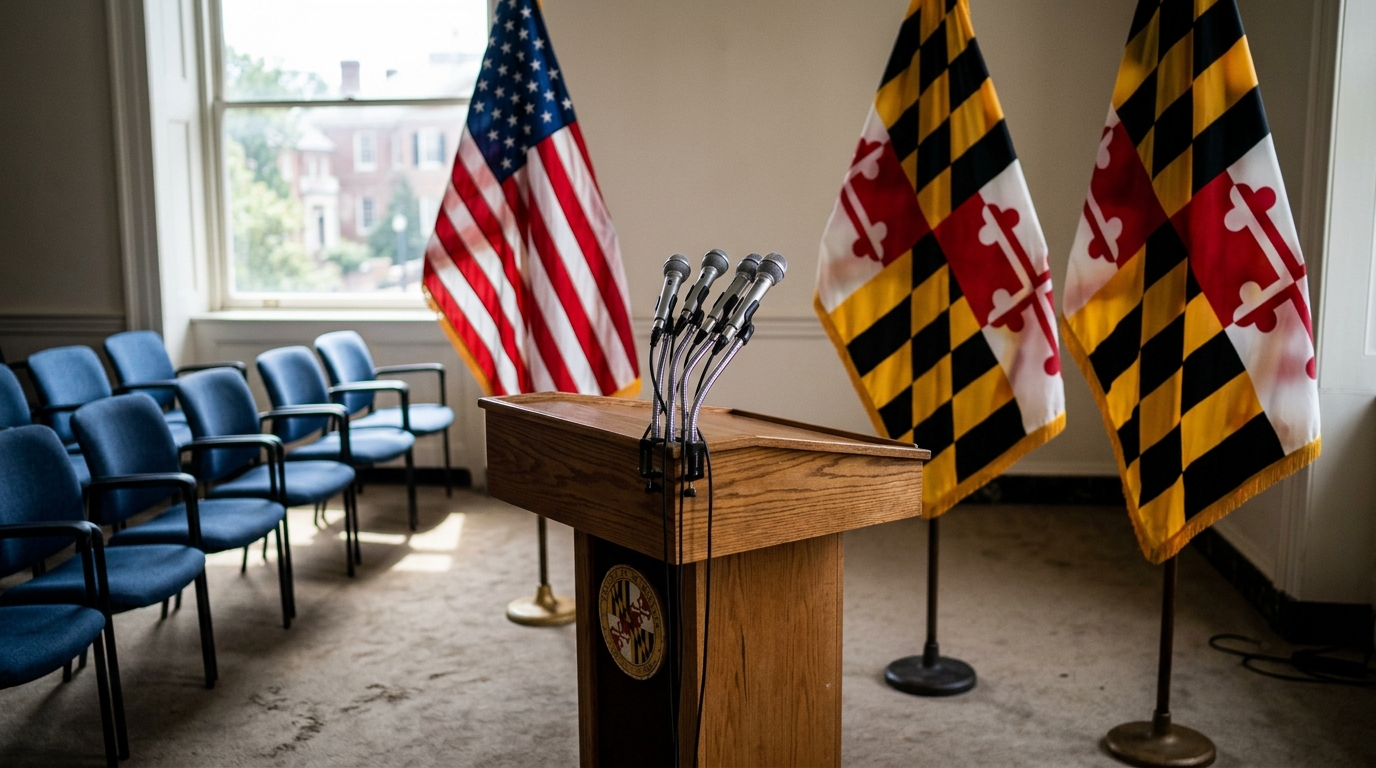
Governor Moore's "Enough Initiative" aims to tackle the root causes of child poverty in Maryland, an "audacious" promise made early in his term.
For residents in Maryland's DMV counties, where the cost of living can be particularly high, the success of such an initiative holds significant weight. Families in Montgomery County, for example, often face some of the highest housing costs in the state, making it incredibly difficult to escape poverty even with steady employment. The "Enough Initiative" seeks to address these systemic issues, but the path to achieving its lofty goals is long and fraught with challenges. Defining "Enough" and Measuring Progress
The core question remains: what does "ending child poverty" actually look like, and how will Maryland know when it's achieved? The initiative isn't just about providing temporary relief; it's about creating sustainable change. This involves tracking key metrics like food security, housing stability, access to healthcare, educational attainment, and parental employment rates. The data can be slow to compile and analyze, making immediate, definitive answers about "delivery" hard to come by. The administration has been working to lay the groundwork, identifying areas where state resources can be better deployed and coordinating efforts across departments. This includes pushing for increased funding for programs that support low-income families, advocating for policies that expand access to childcare, and investing in workforce development initiatives designed to lift parents out of low-wage jobs. However, the sheer scale of the problem means that even significant investments can take time to show widespread impact.The Role of State Government and Community Partners
A key component of the "Enough Initiative" is its emphasis on collaboration. It recognizes that the state government can't solve child poverty alone. Local governments, non-profits, faith-based organizations, and businesses all play a crucial role. In communities across Maryland, from Annapolis to Rockville, these partnerships are essential for delivering services directly to families in need and tailoring solutions to specific local contexts. For instance, local food banks and housing assistance programs in places like Frederick County are often the first line of defense for families facing immediate crises. The "Enough Initiative" aims to better integrate these efforts with state-level policy and funding, creating a more cohesive and effective support system. This coordination is vital to ensure that resources are not duplicated and that gaps in services are identified and filled. Maryland's Department of Human Services, for example, plays a central role in connecting families with various aid programs, from SNAP benefits to temporary cash assistance, all of which are critical components in the fight against poverty. Additional information on state initiatives can often be found on the Governor's official website.Challenges and the Path Forward
Despite the ambitious goals and ongoing efforts, significant challenges remain. Economic headwinds, inflation, and unexpected crises can quickly derail progress. Furthermore, legislative hurdles and budgetary constraints often mean that initiatives must be scaled incrementally rather than implemented all at once. Sustaining political will and public support over the long term is also crucial for such a monumental undertaking. The "Enough Initiative" is a long-term commitment, not a quick fix. While early signs of progress might be nuanced, the very existence of such a focused, statewide effort signals a significant shift in how Maryland is approaching the issue of child poverty. Residents, particularly those in Montgomery and Frederick counties, will want to keep a close eye on budget allocations, legislative proposals, and reports from the Maryland Department of Human Services to gauge the initiative's ongoing impact. The promise of ending child poverty is indeed audacious, and whether Governor Moore can fully deliver on it will depend on sustained effort, effective partnerships, and the ability to adapt to an ever-changing economic landscape. What's clear is that the conversation has begun, and the work, impacting countless families across the DMV, is well underway.📍 Local Resources
Maryland Department of Human Services (DHS)
Connects families to various state benefits, including SNAP, cash assistance, and childcare subsidies.
📞 Phone: 1-800-332-6347
🌐 Website: dhs.maryland.gov/local-offices
📍 Location: Find your local office via the website for county-specific services.
🕐 Hours: Varies by local office.
Capital Area Food Bank
Provides food and resources to a network of partner agencies in the DMV, including many in Maryland, to help address food insecurity.
📞 Phone: (202) 644-9800
🌐 Website: capitalareafoodbank.org
📍 Location: 4900 Puerto Rico Ave NE, Washington, DC 20017 (serves the wider region)
🕐 Hours: Mon-Fri 8am-4pm
Maryland Legal Aid
Offers free civil legal services to low-income Marylanders, which can be crucial for families facing housing, employment, or benefit-related issues.
📞 Phone: (410) 951-7777
🌐 Website: mdlab.org
📍 Location: Multiple offices across Maryland, check website for closest one.
🕐 Hours: Mon-Fri 9am-5pm
Advertisement
Explore more on this topic
Related Stories
Politics
Maryland Cracks Down: First State to Ban Dynamic Pricing in Grocery Stores
Montgomery County·Politics
about 14 hours ago5 min read

Politics
Virginia's New Energy Plan Targets Rising Bills, Puts Data Centers on the Hook for Grid Costs
Politics
Virginia's new energy plan aims to tackle rising power demand and affordability by proposing that data centers contribute more to electric grid costs, potentially easing the burden on residential bills.
about 17 hours ago5 min read

Politics
Thousands of Maryland Immigrants Face Medicaid Cut Under HR 1
Montgomery County·Politics
about 18 hours ago4 min read