DC Residents Rally to Save East Potomac Park from Development and Rising Waters
Share this article
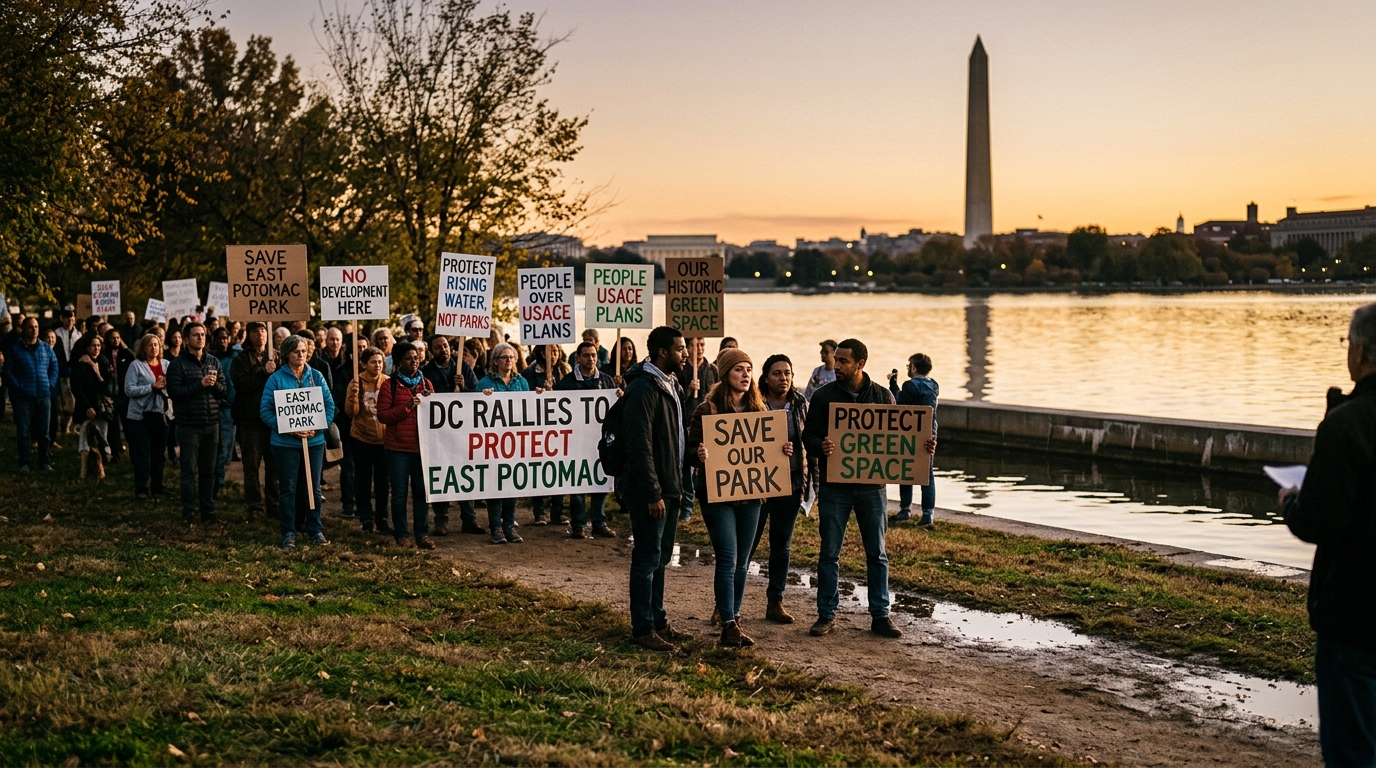
A Beloved Green Oasis Under Threat
East Potomac Park isn't just another patch of grass; it's a unique piece of DC history and a vital recreational hub. This artificial island, meticulously crafted from dredging material pulled from the Potomac River and the Washington Channel over a century ago, offers unparalleled views of the city's monuments and a tranquil escape from urban bustle [1]. For generations, it's been a go-to spot for golfers perfecting their swing on its sprawling courses, tennis players enjoying a match, families strolling along its paths, and sightseers soaking in panoramic vistas. But this beloved landscape is now at a crossroads. The park's low elevation makes it particularly vulnerable to the impacts of climate change, with rising sea levels posing a long-term existential threat. Compounding this environmental challenge are new proposals from the U.S. Army Corps of Engineers, which have sparked alarm among local residents and park advocates. These plans, as described by those at the recent rally, could significantly alter the park's character, potentially reducing its precious green space and even limiting public access to certain areas [1].Voices from the Community Rally
The recent protest saw a diverse crowd gather, united by a common goal: to preserve East Potomac Park. Organized primarily by the Friends of East Potomac Park, the rally brought together environmentalists, local residents, recreational users, and anyone who values accessible public green space in the nation's capital. Signs adorned with messages of preservation and pleas for thoughtful planning dotted the landscape, reflecting the community's deep connection to the park. Among the passionate voices was Caitlin Miller from the Friends of East Potomac Park, who articulated the sentiment shared by many attendees."We're fighting for this land," — Caitlin Miller, Friends of East Potomac Park (NBC Washington)This statement encapsulates the urgency felt by those who see the park not just as a recreational facility, but as a crucial ecological asset and a piece of shared heritage. The concern isn't merely about losing a golf course or a tennis court; it's about the erosion of public land, the potential disruption of natural habitats, and the broader implications for urban resilience in the face of environmental shifts.
Understanding the Army Corps' Proposals
The U.S. Army Corps of Engineers, responsible for a wide array of civil works projects including flood control and navigation, is involved in efforts to address the challenges facing the Potomac River and its surrounding areas. While specific details of their proposal regarding East Potomac Park were not extensively outlined in the immediate aftermath of the rally, the core concern articulated by protesters revolves around the potential for the plan to "reduce green space or make parts of the park inaccessible" [1]. Such outcomes would fundamentally alter the park's utility and character. Green spaces like East Potomac Park are essential for urban biodiversity, air quality, and mental well-being. Restricting access would contradict the very principle of public parks, which are meant to be open and available to all citizens. The balance between protecting infrastructure, mitigating environmental risks, and preserving public amenities is a delicate one, and the community is clearly signaling that current proposals may tip that balance too far. The National Park Service, which manages East Potomac Park, would also be a key player in any final decisions, working in conjunction with federal and local agencies to determine the park's future. More information on the Army Corps' projects in the region can often be found through the U.S. Army Corps of Engineers, Baltimore District.The Stakes for DC Residents
For the thousands of Washington, DC residents who frequent East Potomac Park, the outcome of this debate carries significant weight. Losing green space means fewer opportunities for outdoor recreation, less natural habitat for local wildlife, and a diminished urban environment. Restricting access would disenfranchise those who rely on public parks for exercise, relaxation, and connection with nature. The park also serves as a critical buffer, and any changes to its landscape could have broader environmental implications for the surrounding Southwest Waterfront and beyond. The District government, through agencies like the DC Department of Energy and Environment, is actively engaged in climate resilience efforts, and the fate of East Potomac Park is intertwined with these larger initiatives. The community's proactive stance highlights a growing awareness of how federal projects can directly impact local quality of life and environmental integrity.Looking Ahead: What's Next for the Park?
The rally at East Potomac Park is likely just one chapter in an ongoing conversation about the future of this vital public land. As the U.S. Army Corps of Engineers continues to develop and refine its plans, and as the National Park Service navigates the complexities of managing such a unique urban park, community input will remain crucial. Residents will need to stay informed, engage with public comment periods, and continue to advocate for solutions that protect both the park's ecological value and its accessibility for all. The Friends of East Potomac Park and similar advocacy groups will undoubtedly continue their efforts to ensure that the voices of the community are heard in the corridors of power. The fight to preserve this cherished slice of DC's natural and recreational landscape is far from over.📍 Local Resources
A community organization dedicated to the preservation and enhancement of East Potomac Park. Connect with them for updates on advocacy efforts.
Official information regarding East Potomac Park's management, facilities, and current status.
Provides information on environmental protection, climate resilience, and sustainable practices within Washington, DC.
Explore more on this topic
Related Stories

Local Novelist Bsrat Mezghebe Explores DC's Eritrean Community in New Book
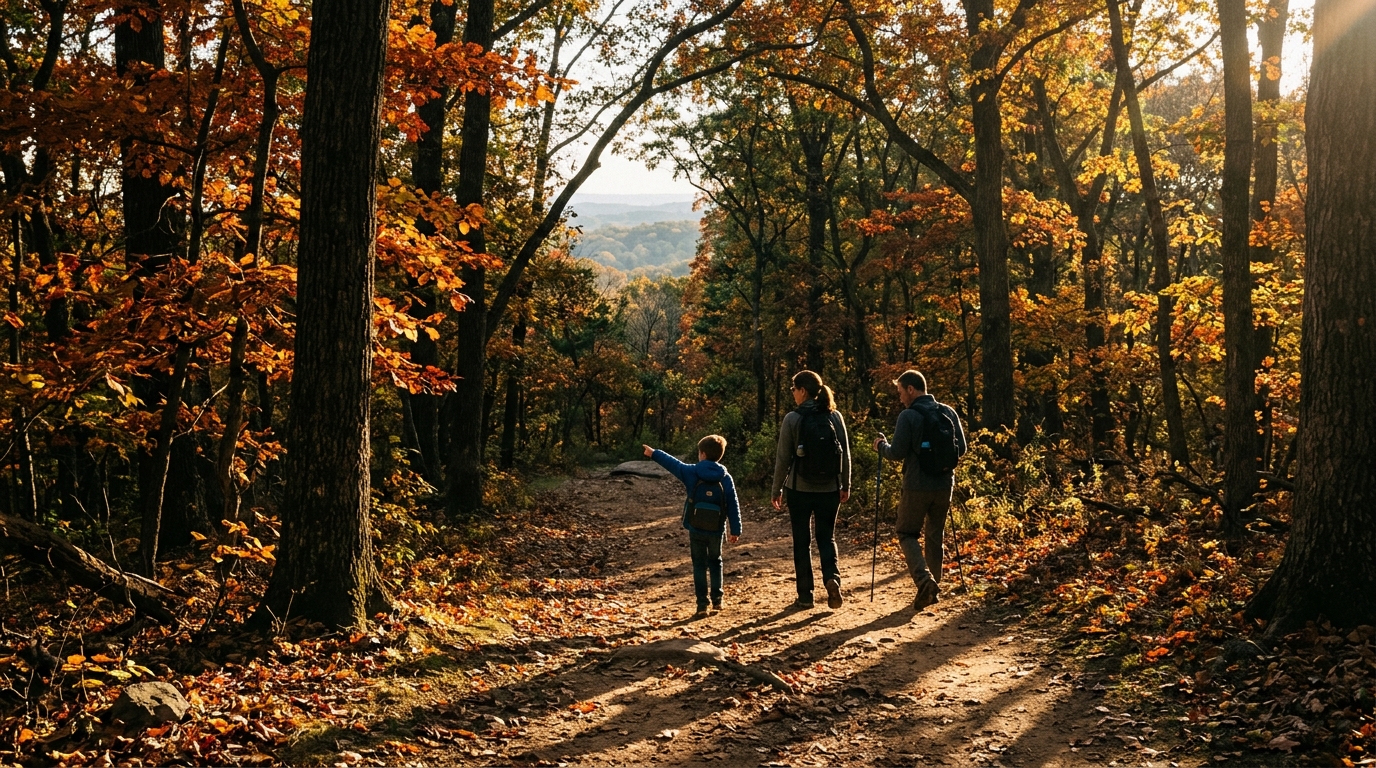
Explore Nature: 10 Top Hiking Trails Near Baltimore Offer Solace and Scenic Views for DMV Residents
A new guide highlights ten top hiking trails near Baltimore, offering DMV residents scenic views and a chance to reconnect with nature. These diverse paths cater to all skill levels, from leisurely walks to challenging treks, providing a perfect escape from urban life.

Montgomery County Schools Begin Planning for Future Consolidation and Closure Discussions
Montgomery County Public Schools is planning community engagement meetings to discuss potential school closures and consolidations, signaling a proactive approach to future challenges and opportunities within the expansive district. This long-term planning aims to optimize resources and address evolving educational needs.