Politics
Montgomery County
Maryland Cracks Down: First State to Ban Dynamic Pricing in Grocery Stores
Share this article
Advertisement
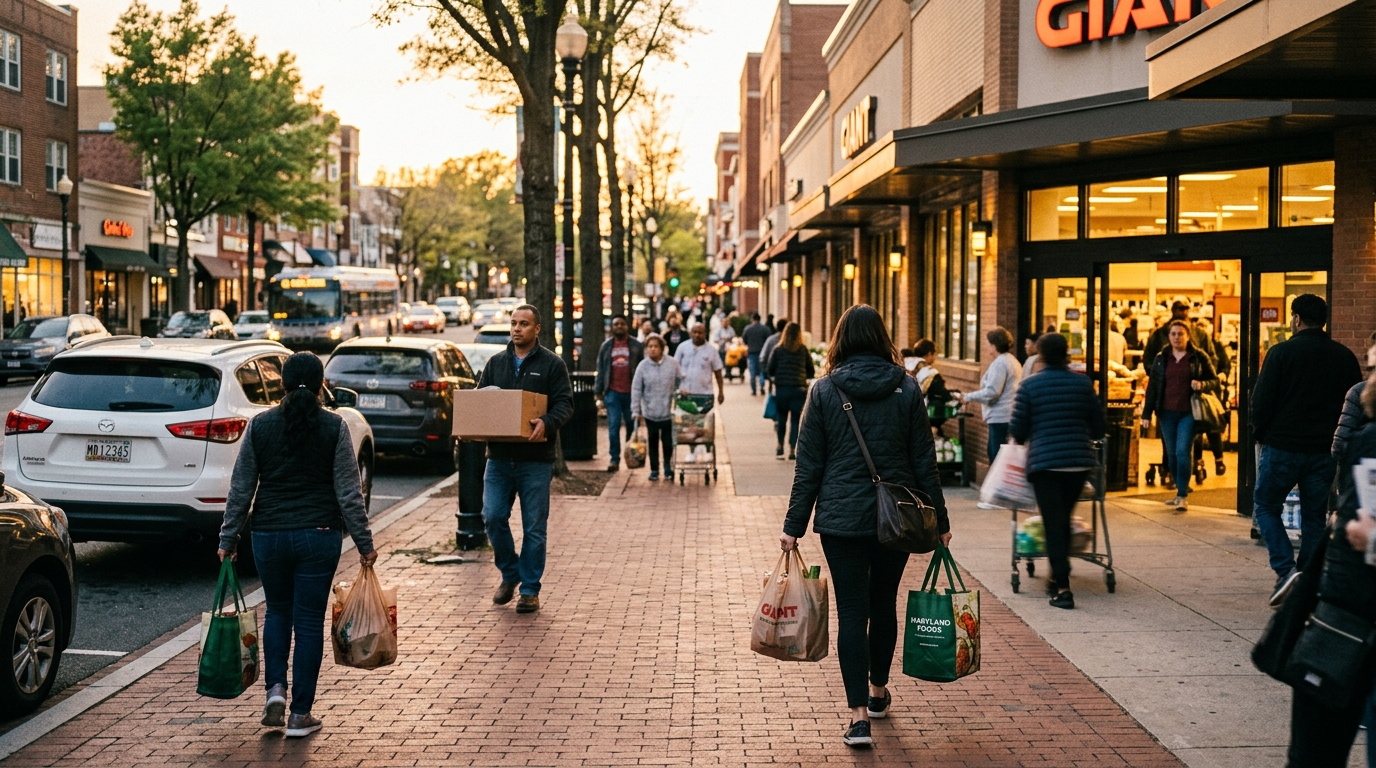
The cost of groceries has been a relentless squeeze on household budgets across the DMV, making every penny count at the checkout. Now, Maryland is stepping up with a bold move that could bring a measure of relief and predictability to shoppers. In a legislative first, the Old Line State has become the inaugural state in the nation to outright ban dynamic pricing in its grocery stores [1]. This landmark decision comes as families continue to grapple with escalating living costs, aiming to protect consumers from fluctuating prices that can change in real-time based on demand, inventory, or even the time of day. For many, this isn't just about saving a few dollars; it's about fairness and transparency in an essential industry.
As this new law takes effect, Maryland residents can expect to see more stable pricing at their local grocery stores. It's a significant win for consumer advocacy and a clear signal from Annapolis that affordability and transparency remain top priorities. Shoppers across the state will be watching to see
What Exactly is Dynamic Pricing?
Dynamic pricing, sometimes referred to as surge pricing or demand-based pricing, isn't new to other sectors. We've seen it for years in ride-sharing services, airline tickets, and concert venues, where prices can shift dramatically based on immediate demand. Think about how the cost of an Uber ride spikes during rush hour or how concert tickets get more expensive as the show sells out. In the grocery sector, dynamic pricing means that the price of, say, a gallon of milk or a loaf of bread could change from morning to evening, or even minute to minute, without a new label being printed. This is typically enabled by digital shelf labels that can update automatically. Proponents of dynamic pricing argue it allows retailers to optimize inventory, reduce waste by lowering prices on expiring goods, and respond to market forces efficiently. However, critics contend that in an essential sector like groceries, it can disproportionately harm low-income households and create an unpredictable, stressful shopping experience.Maryland's new measure makes it the first state in the nation to ban dynamic pricing in grocery stores.
Why Maryland Led the Charge
Maryland lawmakers appear to be responding directly to the economic pressures felt by their constituents. With inflation impacting everything from housing to utilities, the grocery bill has become a particularly sensitive point for many households. The idea that the price of everyday staples could change arbitrarily throughout the day, potentially costing more when people are most likely to shop (like after work), has fueled consumer frustration. The move by Maryland signifies a proactive stance by the state government to intervene in pricing practices when they are perceived to be detrimental to consumer welfare. It reflects a growing concern that technological advancements, while offering efficiencies, should not come at the expense of equitable access to necessities. By banning dynamic pricing, the state is essentially drawing a line, asserting that fundamental goods like food should not be subject to the same variable pricing models as luxury items or entertainment.Impact on DMV Shoppers and Stores
For residents in Maryland counties like Montgomery and Frederick, this new ban means a return to more stable and predictable pricing at their local Giant, Safeway, or Wegmans. Shoppers won't have to worry that the apples they eyed this morning will cost more by the time they get to the store in the evening. This predictability is especially crucial for families on fixed budgets, allowing them to better plan their grocery spending without fear of unexpected price hikes. Grocery stores operating within Maryland will need to adjust their pricing strategies. While some may have been exploring or already implementing dynamic pricing technologies, they will now be legally prohibited from doing so. This might mean a greater reliance on traditional sales, promotions, and markdown strategies for items nearing their expiration dates. It could also encourage more consistent pricing across different times of the day, ensuring all customers pay the same price for the same item at any given moment.A Precedent for Other States?
Maryland's decision could set a significant precedent. As the first state to implement such a ban, it might inspire other states feeling similar pressures from rising costs and consumer advocacy groups. Lawmakers in other jurisdictions, including potentially neighboring Virginia or the District of Columbia, might observe Maryland's experience closely to gauge the impact on both consumers and businesses. If the ban is perceived as successful in protecting consumers without unduly harming the grocery industry, it could spark a broader movement for similar legislation nationwide. This legislative action underscores a fundamental debate about the role of technology in retail, the ethics of pricing essential goods, and the balance between market efficiency and consumer protection. It highlights that while technology offers new ways to manage inventory and sales, public policy can and will step in when those methods are seen to undermine public trust or financial stability for everyday citizens.📍 Local Resources
Maryland Consumer Protection Division
Investigates and mediates consumer complaints, including unfair or deceptive trade practices.
📞 Phone: (410) 528-8662 (Baltimore) or (888) 743-0023 (Toll-Free)
🌐 Website: marylandattorneygeneral.gov/CPD
📍 Location: 200 St. Paul Place, Baltimore, MD 21202
🕐 Hours: Mon-Fri 9am-5pm
Maryland Food Bank
Provides food assistance to communities across Maryland through a network of partner agencies.
📞 Phone: (410) 737-8282
🌐 Website: mdfoodbank.org
📍 Location: 2200 Halethorpe Farms Rd, Baltimore, MD 21227
🕐 Hours: Varies by program/distribution
Montgomery County Office of Consumer Protection
Enforces consumer protection laws and educates residents on their rights, including fair pricing.
📞 Phone: (240) 777-3636
🌐 Website: montgomerycountymd.gov/ocp
📍 Location: 27 Courthouse Square, Suite 202, Rockville, MD 20850
🕐 Hours: Mon-Fri 8:30am-5pm
Advertisement
Explore more on this topic
Related Stories
Politics
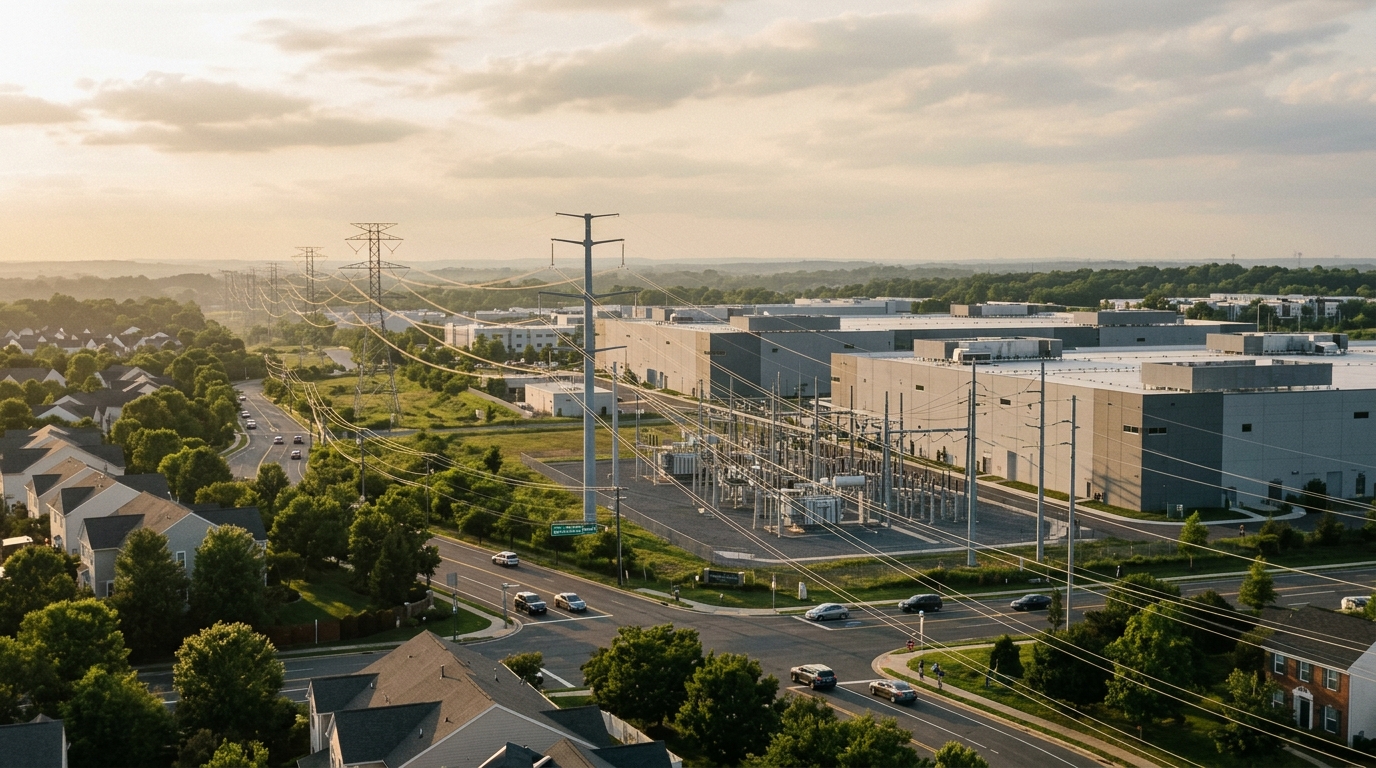
Virginia's New Energy Plan Targets Rising Bills, Puts Data Centers on the Hook for Grid Costs
Politics
Virginia's new energy plan aims to tackle rising power demand and affordability by proposing that data centers contribute more to electric grid costs, potentially easing the burden on residential bills.
about 3 hours ago5 min read
Politics
Thousands of Maryland Immigrants Face Medicaid Cut Under HR 1
Montgomery County·Politics
about 4 hours ago4 min read
Politics
Executive Order Targets Invasive Ticks and Mosquitoes in Washington D.C.
Politics
Former President Donald Trump signed an executive order aimed at combating invasive tick and mosquito populations in Washington D.C., signaling a federal push to address public health risks from these common pests in the nation's capital.
about 4 hours ago5 min read