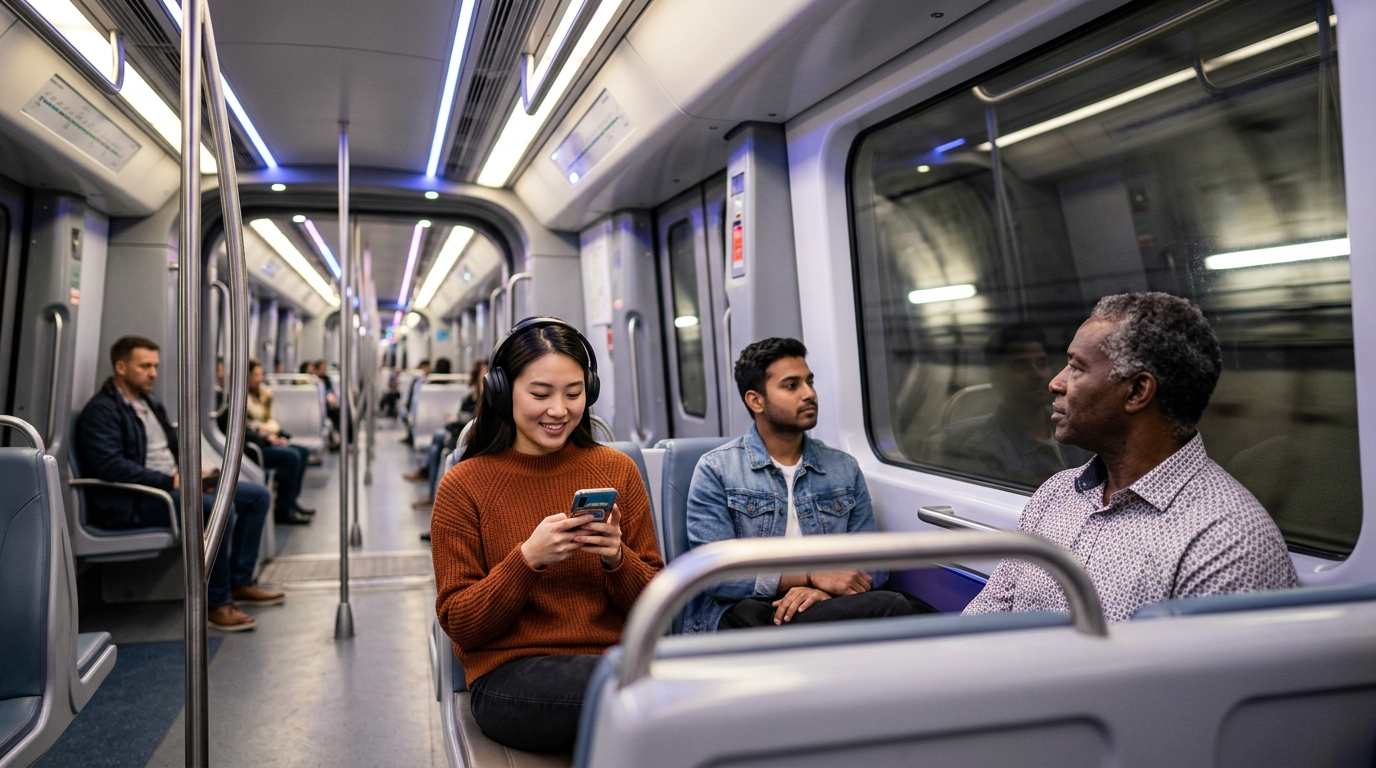
The future of commuting across Washington, D.C., Maryland, and Virginia just got a significant technological update. The WMATA board has officially given its nod to a new plan that aims to bring automated trains to the region's sprawling Metro system
[1]. This isn't just a minor tweak to existing operations; it's a foundational shift, potentially redefining how millions of DMV residents navigate their daily lives, from the bustling platforms of Metro Center to the farthest reaches of Shady Grove and Franconia-Springfield. For decades, the iconic silver and red trains have been a lifeline for the DMV, weaving through underground tunnels and over elevated tracks, connecting communities and driving the region's economy. But like any aging infrastructure, Metro has faced its share of challenges, from service disruptions to the constant push for greater efficiency and safety. This latest board decision signals a bold move to leverage modern technology in addressing those enduring concerns.
The WMATA board's decision signals a significant technological pivot for one of the nation's busiest transit systems, aiming to reshape daily commutes for millions across the DMV.
While the specifics of the newly approved plan remain under wraps, the very concept of train automation holds immense promise for a system as complex and vital as Metro. Globally, automated transit systems often boast benefits like increased operational consistency, reduced human error, and the potential for more frequent service by optimizing train spacing and speed. Imagine fewer unexpected delays during your morning commute on the Red Line or smoother transitions between stations on the Orange Line. The goal, typically, is to create a more reliable and predictable rider experience, something long sought after by Metro's dedicated passenger base. This technological leap isn't without its complexities. Implementing automation on a system that already serves hundreds of thousands of daily riders across multiple jurisdictions — from the busy corridors of Arlington to the suburban hubs of Montgomery County — will be a monumental undertaking. It requires careful planning, significant investment, and a phased approach to ensure seamless integration without disrupting the essential service commuters rely on every day. The
Washington Metropolitan Area Transit Authority (WMATA), overseen by its
Board of Directors, will need to navigate not only the technical intricacies but also the public perception and the extensive training that will be required for its workforce. The decision reflects a broader trend in urban transit, where cities worldwide are exploring how automation can enhance public transportation. From Vancouver's SkyTrain to Copenhagen's Metro, automated systems are proving their mettle in delivering efficient, high-capacity service. For the DMV, this move aligns with a vision of a modern, forward-thinking transit network capable of meeting the demands of a growing metropolitan area. It’s a strategic investment in the region’s future, aimed at improving the daily journeys of federal workers, students, and families alike. What this plan means for the average Metro rider won't be immediately apparent. This approval is the first step in what will undoubtedly be a multi-year process of planning, design, testing, and eventual implementation. Commuters shouldn't expect automated trains to pull into their stations tomorrow, or even next year. However, it does lay the groundwork for a transit system that could eventually offer a more consistent, perhaps even faster, way to travel through the nation's capital and its surrounding communities. The
U.S. Department of Transportation continues to advocate for innovative solutions in public transit, and WMATA's decision places the DMV firmly in that conversation. As this ambitious project moves forward, DMV residents will want to keep a close eye on future announcements from WMATA regarding timelines, specific technological approaches, and how this will ultimately impact their experience underground and above ground. It's a significant development that promises to reshape the very rhythm of life in our bustling region.