Tech
Georgetown Medical Students Embrace Virtual Reality for Enhanced Surgical Training
Share this article

Advertisement
Stepping into an operating room can be daunting, but for future surgeons at Georgetown University, the path to proficiency is increasingly paved with pixels and haptic feedback. Medical students at the venerable D.C. institution are now getting crucial extra practice with surgical procedures through the immersive world of virtual reality, a move that could reshape how the next generation of doctors hones their craft right here in the nation's capital. This cutting-edge approach means "surgeons of tomorrow" at Georgetown are gaining invaluable "extra procedure reps" in a simulated environment according to reports. It's a significant shift from traditional training models, offering a safe, repeatable space for students to develop the muscle memory and decision-making skills vital for complex operations.
The Edge of Innovation in Medical Education
The integration of virtual reality (VR) into medical curricula isn't just a novelty; it's a strategic enhancement designed to address long-standing challenges in surgical education. Historically, gaining sufficient hands-on experience has been a delicate balancing act, requiring access to operating rooms, cadaver labs, and patient scenarios under strict supervision. VR simulations offer a powerful complement, providing unlimited opportunities for repetition without risk to real patients or limitations on resources. For Georgetown's aspiring surgeons, this means they can practice intricate procedures countless times, refining their technique and building confidence before ever making an incision on a living person. This kind of repetitive, deliberate practice is a cornerstone of expertise, allowing students to learn from mistakes in a consequence-free setting.Virtual reality offers unlimited, risk-free repetition for surgical trainees, building crucial muscle memory and decision-making skills.
How Virtual Reality Transforms Surgical Practice
Modern VR surgical simulators are far more advanced than simple video games. They often incorporate haptic feedback, which mimics the tactile sensations of cutting, suturing, or manipulating tissue, providing a realistic sense of touch that's crucial for surgeons. High-fidelity graphics create detailed anatomical models, allowing students to navigate complex physiological landscapes. This immersive technology lets students perform virtual operations, from laparoscopic procedures to open-heart surgery, experiencing scenarios that would be difficult or impossible to replicate in a traditional educational setting. They can encounter rare complications, practice emergency responses, and work through entire surgical workflows, all while receiving immediate feedback on their performance. This detailed feedback can pinpoint areas for improvement, accelerating the learning curve. Many medical institutions are exploring such technologies to enhance training effectiveness, as highlighted by the Association of American Medical Colleges.Impact on Future Healthcare in the DMV
For residents across Washington D.C., Maryland, and Northern Virginia, this advancement at Georgetown University carries tangible implications. The medical professionals who will eventually serve our communities — in local hospitals like MedStar Georgetown University Hospital, Sibley Memorial Hospital, or Inova Fairfax Medical Campus — are now receiving an even more robust and technologically advanced training foundation. By providing "extra procedure reps," Georgetown is helping ensure that its graduates are not just theoretically knowledgeable, but also practically adept and highly skilled. This commitment to leveraging innovative technology for training ultimately translates into better-prepared surgeons, potentially leading to improved patient outcomes and greater confidence in the healthcare providers serving the DMV region. It’s a proactive step towards enhancing the quality of care available right here at home.The Broader Trend of Tech in Medicine
Georgetown's embrace of VR for surgical training is part of a larger trend seeing technology deeply integrated into various facets of medicine. From artificial intelligence assisting in diagnostics to telehealth platforms expanding access to care, digital tools are continuously reshaping healthcare delivery and education. Academic medical centers like Georgetown are at the forefront of this evolution, understanding that staying current with technological advancements is essential for preparing doctors for the complexities of modern medicine. The future of medical education will likely see an even greater reliance on simulations, personalized learning modules, and data-driven insights to create more effective and efficient training pathways. Resources from organizations like the National Library of Medicine often highlight the growing role of virtual and augmented reality in clinical practice and training. As technology continues to advance, we can expect to see VR and similar immersive tools become an even more indispensable part of how future doctors are trained, not just at Georgetown, but across the nation. For DMV residents, this means the surgeons caring for them in the years to come will have benefited from training methods that were once the stuff of science fiction, making them more skilled and confident than ever. Keep an eye on local medical institutions as they continue to explore and adopt these transformative educational tools.Advertisement
Explore more on this topic
Related Stories

Tech
Fairfax County Data Scientist Unveils New App for Reliable EV Charger Information
Montgomery County·Tech
A Fairfax County data scientist has launched a new app designed to provide reliable, real-time information about public electric vehicle (EV) chargers, addressing a major pain point for drivers across the DMV.
6 days ago6 min read
Tech
Goddard Scientists Prepare for Historic Roman Telescope Launch This Weekend
Tech
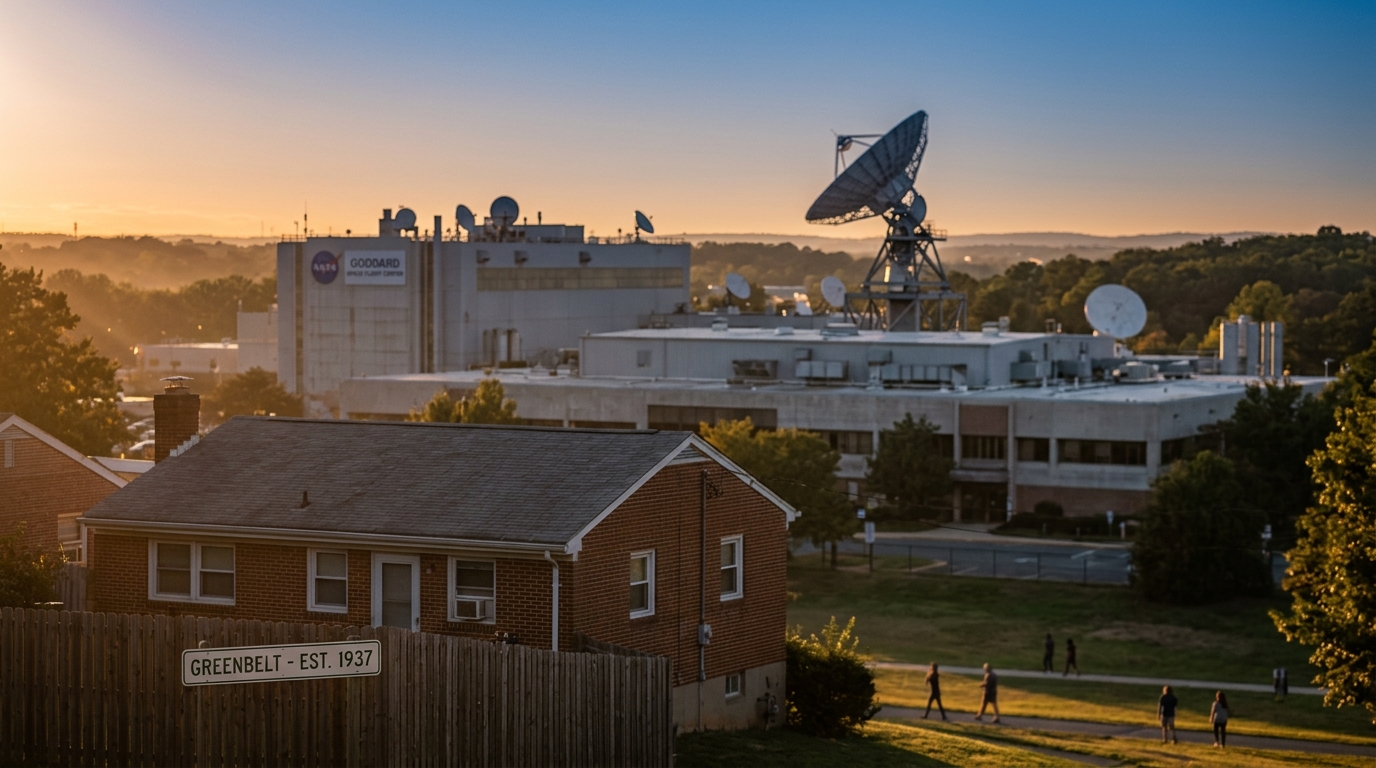
NASA's Nancy Grace Roman Space Telescope, a mission largely developed by scientists at Goddard Space Flight Center in Greenbelt, Maryland, is set to launch this weekend. It aims to unravel mysteries of dark energy, dark matter, and exoplanets using innovative "star glasses" and cosmic time-lapse technology, continuing the legacy of flagship space observatories.
about 2 months ago4 min read

Tech
Virginia Drivers Can Now Add State IDs to Apple Wallet, Enhancing Convenience for DMV Residents
Tech
about 2 months ago3 min read