Washington-Liberty High School Taps AI for Clearer Graduation Name Pronunciations
Share this article
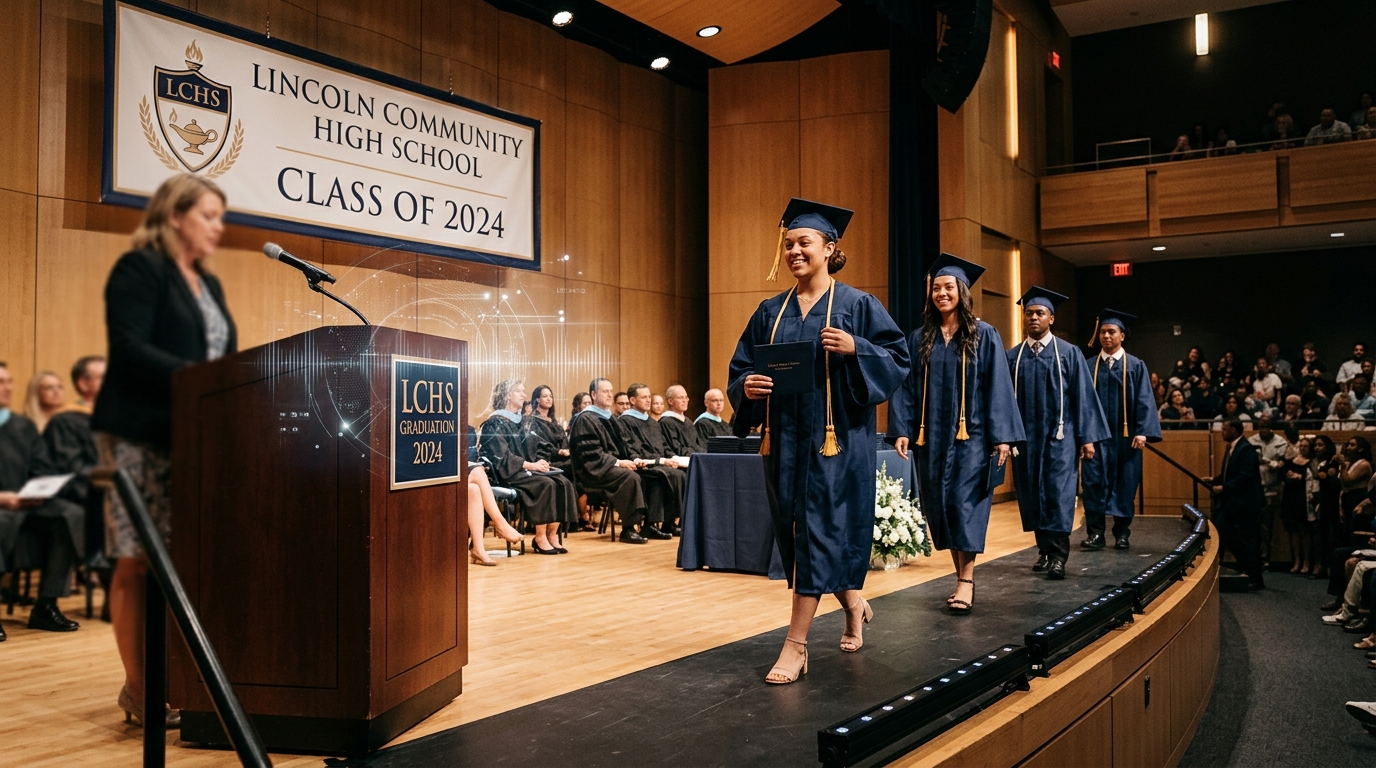
A Modern Solution to a Timeless Problem
For years, schools have relied on various methods to help readers pronounce diverse names correctly, from phonetic spellings provided by students to dedicated staff members rehearsing lists. While well-intentioned, these manual systems can sometimes fall short, leading to awkward pauses or, worse, incorrect pronunciations that can dim a graduate's special moment. Washington-Liberty's adoption of AI represents a significant leap forward in addressing this perennial issue.How AI Steps Up for Graduation
While specifics on the exact AI platform weren't detailed in the initial communication [1], such systems typically involve students submitting audio recordings of their own names or providing detailed phonetic spellings. The AI then processes this data, creating a reliable audio output for the ceremony. This removes the variability of human readers, who might struggle with unfamiliar phonetics or accents under the pressure of a live event. This isn't the first time educational institutions have explored AI for similar purposes. From language learning apps to accessibility tools, artificial intelligence is increasingly being integrated into educational environments. The application at Washington-Liberty highlights a practical, student-centric use of AI that directly enhances a significant life event. It also positions the school and Arlington Public Schools at the forefront of leveraging technology for improved student experience.What This Means for Arlington and Beyond
The decision by Washington-Liberty High School could set a precedent for other schools in Arlington County and across the broader DMV area. If successful, this AI-powered approach could become a standard practice, offering a reliable solution to a common graduation day concern. It also opens up discussions about other ways AI can support administrative tasks and enhance student experiences in schools, moving beyond just name pronunciation. For graduating seniors and their families, this means one less thing to worry about on a day already filled with emotion and excitement. It's a small but meaningful detail that underscores a school's commitment to honoring each student individuality. Residents interested in how technology is shaping local education can keep an eye on how this initiative performs, and whether other schools in Virginia follow suit. The Virginia Department of Education has been encouraging innovation in schools, and this could be a prime example.Explore more on this topic
Related Stories
Children's National Hospital Taps AI to Slash Emergency Room Wait Times
Children's National Hospital in Washington, D.C., is deploying artificial intelligence to predict patient volume and acuity in its emergency room, significantly cutting down wait times for families across the DMV. This innovative approach aims to improve efficiency and reduce stress during pediatric emergency visits.
Fairfax County Social Workers Embrace AI to Boost Family Time
Fairfax County is deploying artificial intelligence (AI) tools to help social workers reduce administrative tasks, allowing them to dedicate more time to directly assisting vulnerable families. This initiative aims to streamline paperwork and enhance the quality of support for residents across Northern Virginia.
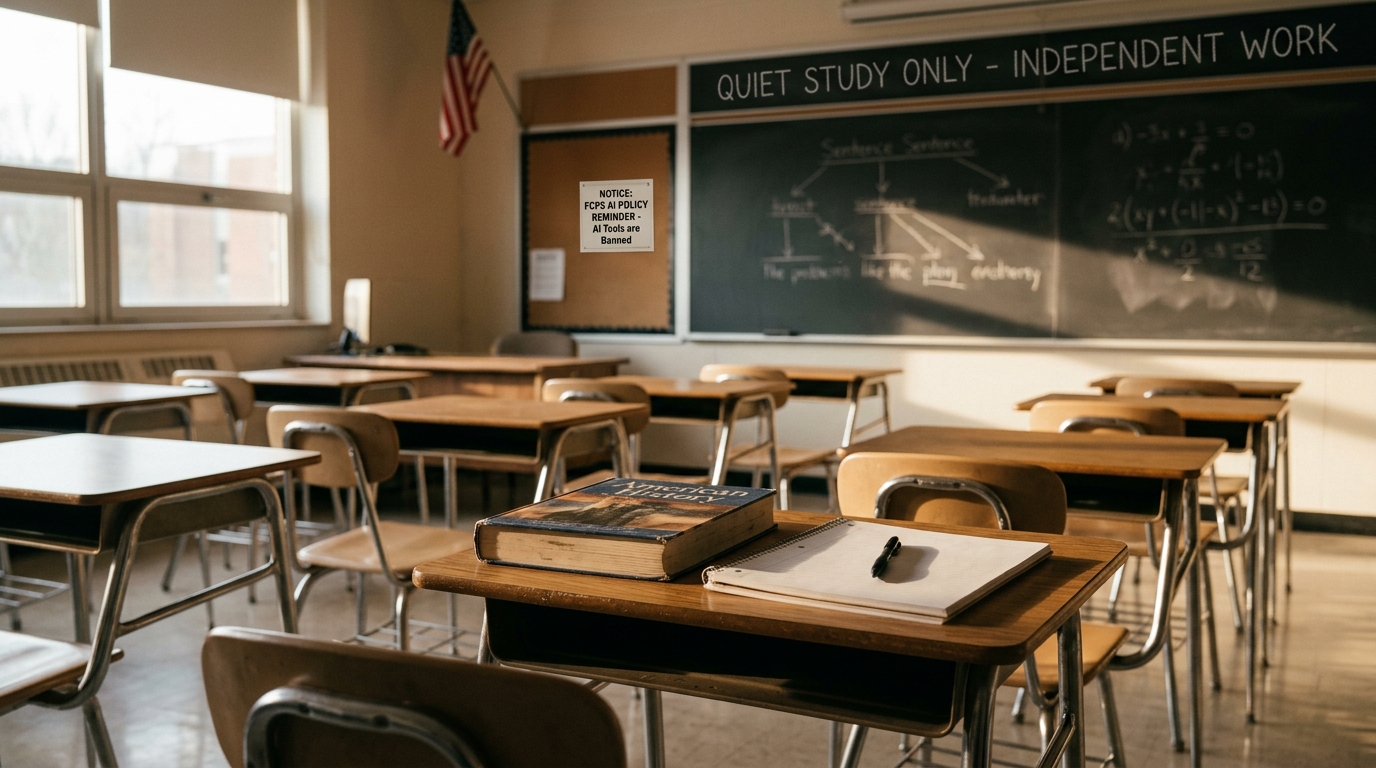
Frederick County Public Schools Implements Blanket AI Ban for All Students
Frederick County Public Schools has implemented a total ban on artificial intelligence tools for all students from pre-kindergarten through 12th grade, marking a significant policy shift for the DMV school system. The decision aims to ensure academic integrity and independent student work amidst the rapid rise of AI technologies.