Robert White and Fellow Candidates Engage Voters Ahead of DC Delegate Primary
Share this article
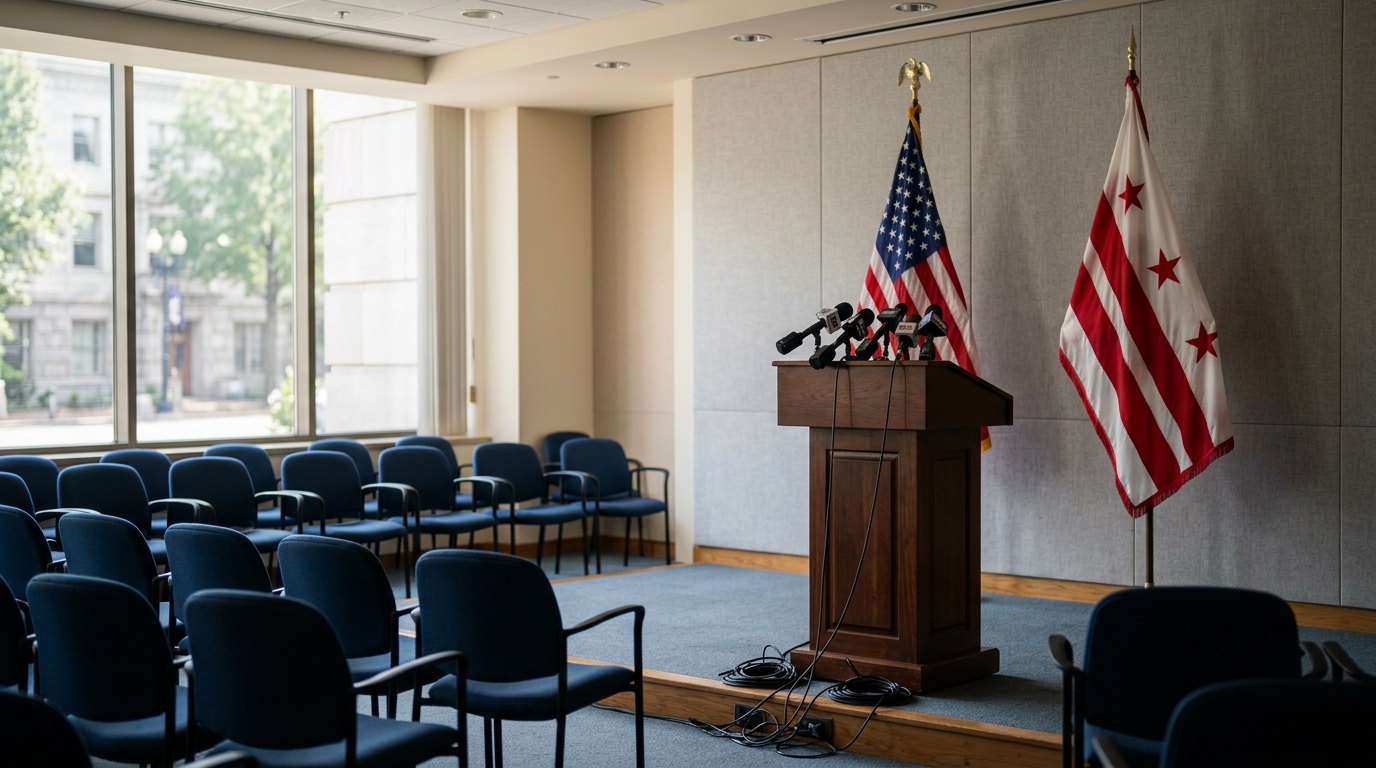
The Delegate's Unique Role in Congress
The District of Columbia's delegate to the U.S. House of Representatives holds a unique and often misunderstood position. Unlike delegates from U.S. territories, D.C.'s delegate participates in committee debates, can offer amendments, and votes in committee, but they cannot cast a vote on the final passage of legislation on the House floor. This limitation is a constant reminder of the District's lack of full federal representation, a core issue that consistently shapes local politics. Despite the voting restriction, the delegate's role is far from symbolic. They serve as a crucial advocate for D.C.'s nearly 700,000 residents on Capitol Hill, pushing for the city's budget autonomy, statehood, and equitable treatment by the federal government. The delegate champions local priorities, from transportation funding and public safety initiatives to healthcare access and economic development, often navigating complex federal bureaucracies to secure resources and legislative support for the District. Their ability to influence policy and build relationships within Congress directly impacts the daily lives of Washingtonians.Robert White Joins a Contested Field
Robert White is among several candidates seeking the Democratic nomination for the D.C. delegate seat. This primary election, set for June, features a competitive lineup, each candidate bringing their own background and policy focus to the forefront. White's participation in the recent candidate questionnaire highlights his readiness to engage directly with voters on pressing concerns facing the District. The field includes several well-known names in D.C. politics. Alongside Robert White, voters will consider Trent Holbrook, Greg Jaczko, Brooke Pinto, and Kinney Zalesne. Each of these individuals has put forward their candidacy, signaling a robust contest for the opportunity to represent the District in Congress. Brooke Pinto, for instance, also participated in the same questionnaire process, offering her perspective to voters (WTOP reports). Similarly, Kinney Zalesne provided her responses to the questionnaire, further enriching the public discourse around the election (WTOP confirms). The presence of multiple candidates underscores the importance of the delegate position and the diverse range of voices seeking to fill it.The Value of Candidate Questionnaires
In the lead-up to any election, voters are often inundated with campaign ads, rallies, and debates. While these platforms offer glimpses into candidates' personalities and general stances, detailed questionnaires serve a distinct and vital purpose: they provide a structured, comparable format for voters to understand specific policy positions and priorities. The D.C. Board of Elections consistently encourages voters to engage with all available information to make informed choices. The questionnaire sent to candidates, including Robert White, asked them to introduce themselves, outline their priorities, and weigh in on critical issues facing the District. A key aspect of this initiative is that candidates submitted their responses through an online form, and the answers published are presented verbatim. This commitment to publishing unedited responses ensures transparency and allows voters to assess candidates' communication styles and detailed perspectives directly, without journalistic interpretation. For residents navigating a busy primary ballot, having these direct answers can be an invaluable tool for comparing candidates side-by-side.Why This Election Matters to DMV Residents
For residents across Washington, D.C., this delegate election is more than just another political contest; it's about the future direction and federal relationship of their home. The delegate's work directly impacts the District's federal funding, its ability to pass local laws without congressional interference, and the ongoing, decades-long fight for statehood. Decisions made on Capitol Hill about D.C.'s budget, its criminal justice system, and its infrastructure directly trickle down to neighborhood schools, public transportation, and community services. The chosen delegate will be the primary voice advocating for D.C.'s interests in a federal landscape that often overlooks or misunderstands them. Their effectiveness can mean the difference between robust federal support for Metro improvements or critical housing initiatives, and continued federal overreach into local governance. Therefore, understanding Robert White and the other candidates' approaches to these challenges is paramount for anyone living within the District's borders.Engaging with the Election Ahead
As the June primary draws nearer, D.C. residents have a critical opportunity to shape their representation. Reviewing candidate questionnaires, attending local forums, and familiarizing oneself with the electoral process are all essential steps. The delegate race might not always grab national headlines, but its local impact is profound, touching every aspect of life in the nation's capital. Voters should keep an eye on how candidates articulate their plans for issues like affordable housing, public safety, economic equity, and, of course, the ever-present push for full voting rights and statehood. What this election means for D.C. residents going forward is a continued fight for self-determination and a stronger voice in the federal government. Remaining informed and participating in the primary is the most direct way for residents to influence who will champion their needs on the national stage.📍 Local Resources
Official source for voter registration, election dates, polling place information, and candidate details for Washington, D.C. elections.
Information on the role and responsibilities of D.C.'s representative in the U.S. House of Representatives, and how to contact the current delegate.
Provides public access to campaign finance reports for D.C. candidates, allowing voters to see who is funding local campaigns.
Explore more on this topic
Related Stories

Maryland Voters See Barrage of Ads for Redistricting Ballot Question
A new wave of pro-redistricting ballot question ads is hitting Maryland airwaves, phones, and mailboxes, pushing for changes to how the state draws its political maps. This campaign highlights the ongoing debate over fair representation and the impact of gerrymandering on local communities in the DMV.

DCPS Political Ideology Survey Sparks Parental Outcry Over Data Collection

Baltimore School Board Race: All Democrats, But Where Do Candidates Land on the Left?
All candidates for Baltimore City's Board of School Commissioners are Democrats, shifting the election's focus to their nuanced ideological positions within the party. Voters must delve into individual platforms to understand their vision for the city's schools.