Maryland DNR Police Intensify Fight Against Illegal Turtle Trafficking
Share this article
The Scale of the Problem
Illegal wildlife trade ranks among the most profitable illicit businesses worldwide, often on par with drug and human trafficking. For turtles, demand is particularly high in Asian markets, where they are prized for food, traditional medicine, and the exotic pet trade. Maryland's geographical position along major transportation corridors, coupled with its rich aquatic and terrestrial habitats, makes it an unfortunate hotspot for collectors and traffickers [1].Targeted Species and Local Impact
Among the most commonly targeted species in Maryland are the spotted turtle (Clemmys guttata), known for its distinctive yellow spots, and the eastern box turtle (Terrapene carolina carolina), a charismatic terrestrial turtle. Both are protected in Maryland and face conservation challenges due to habitat loss, road mortality, and now, relentless poaching [1]. When turtles are removed from their natural habitats in large numbers, it can severely impact their ability to reproduce and maintain healthy populations. Many of these turtles have long lifespans and slow reproductive rates, meaning it takes decades for populations to recover from significant losses. This directly affects the ecological balance of Maryland's forests, streams, and wetlands, where turtles play vital roles as scavengers and seed dispersers. The fight against this trade isn't just about law enforcement; it's also about public awareness. Many residents might not realize the severe consequences of removing a turtle from the wild, let alone the existence of an organized criminal network profiting from their illegal sale. The Maryland DNR actively educates the public on the importance of leaving wildlife undisturbed and reporting suspicious activities. More information on Maryland's wildlife laws can be found on the Maryland Department of Natural Resources website.Enforcement and Partnerships
The Maryland DNR Police employ a range of tactics to combat turtle trafficking. This includes patrolling known poaching hotspots, monitoring online marketplaces for illegal sales, and following leads from concerned citizens [1]. The complexity of these cases often necessitates inter-agency cooperation. DNR Police frequently partner with federal counterparts, such as the U.S. Fish and Wildlife Service, whose jurisdiction extends to interstate and international wildlife crimes, allowing for a broader reach in investigations. These collaborations are crucial because trafficking networks rarely respect state or national borders. Information sharing, joint operations, and coordinated enforcement actions are essential to dismantle these rings effectively. Officers undergo specialized training to identify protected species, understand trafficking routes, and navigate the intricate legal frameworks surrounding wildlife conservation. The North American Bat and Invertebrate Conservation Fund, while focused on different species, highlights the broader need for collaborative conservation efforts across the continent. For DMV residents, understanding the value of local wildlife is paramount. Seeing a turtle by the roadside or in a park is a common sight, but it's a privilege that could diminish without active protection. Supporting conservation efforts and being vigilant about unusual activities are ways everyone can contribute to preserving these ancient reptiles. Residents can also learn more about local species and their habitats through resources provided by the Maryland Zoo's conservation programs. The Maryland DNR Police remain committed to protecting the state's natural resources from exploitation. Their ongoing efforts are a critical safeguard against the illegal turtle trade, ensuring that Maryland's turtles can continue to thrive in their native habitats for generations to come. It's a continuous battle, but one that authorities are determined to win for the sake of the state's irreplaceable wildlife.📍 Local Resources
Report suspected illegal wildlife activities, poaching, or environmental crimes.
Information on Maryland's endangered, threatened, and rare species, and how to support conservation.
Report federal wildlife crimes, especially those involving interstate or international trafficking.
Explore more on this topic
Related Stories
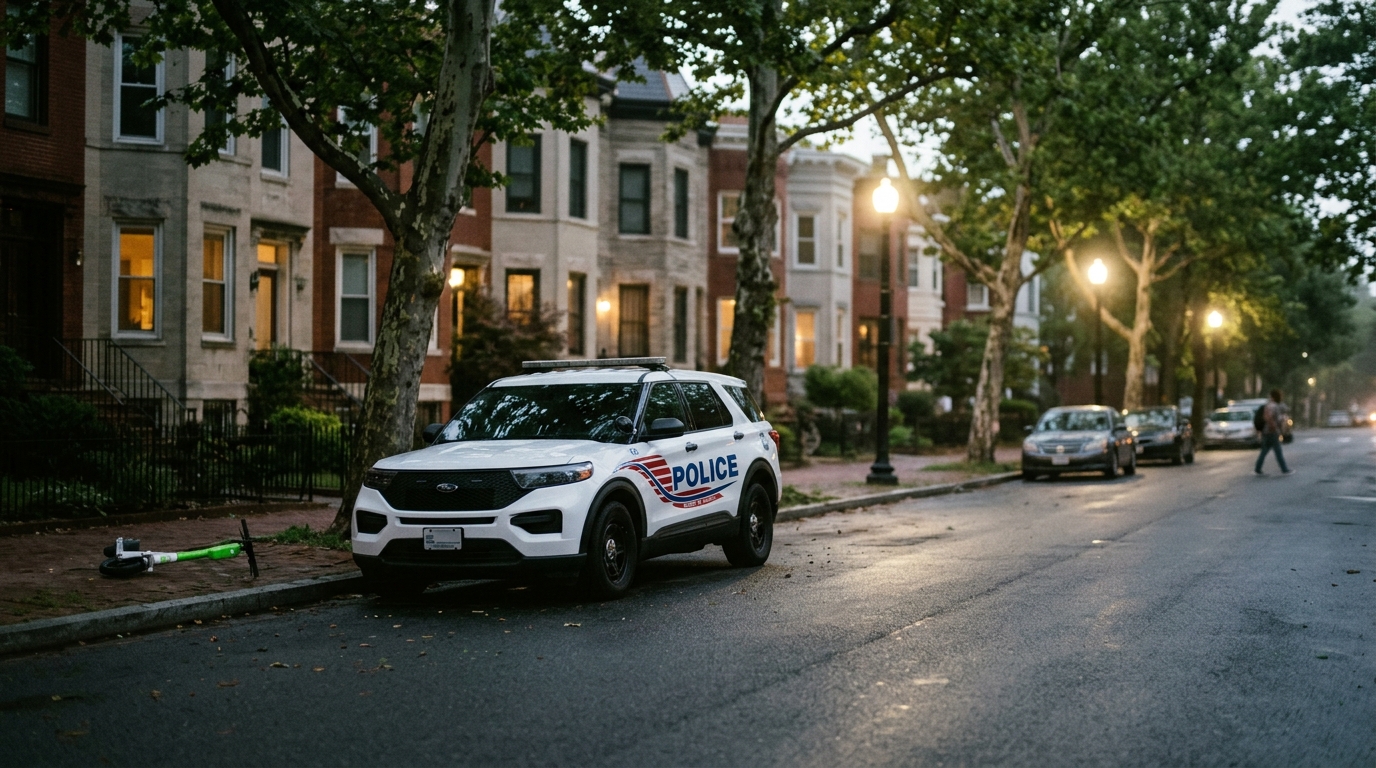
D.C. Police Issue Lookout After Teens Allegedly Flee Robbery on Lime Bikes and Scooters
D.C. police issued a lookout for a group of teens who allegedly fled a robbery scene on Lime bikes and scooters, highlighting a new challenge for law enforcement in the District.

Maryland Mother Speaks Out After Teen Robbed at Gunpoint Near High School
A Maryland mother is speaking out after her teenager was robbed at gunpoint near a high school, highlighting widespread parental fears about youth safety in local communities. The incident underscores the urgent need for vigilance and community support around educational institutions.
Northern Virginia Sees MS-13 Member Sentenced to 30 Years for Double Homicide
An MS-13 gang member has been sentenced to 30 years in prison for the murder of two individuals in Northern Virginia, marking a significant outcome in the region's ongoing fight against violent gang activity.