Mysterious White Whale Appears Outside Federal Trade Commission in DC
Share this article
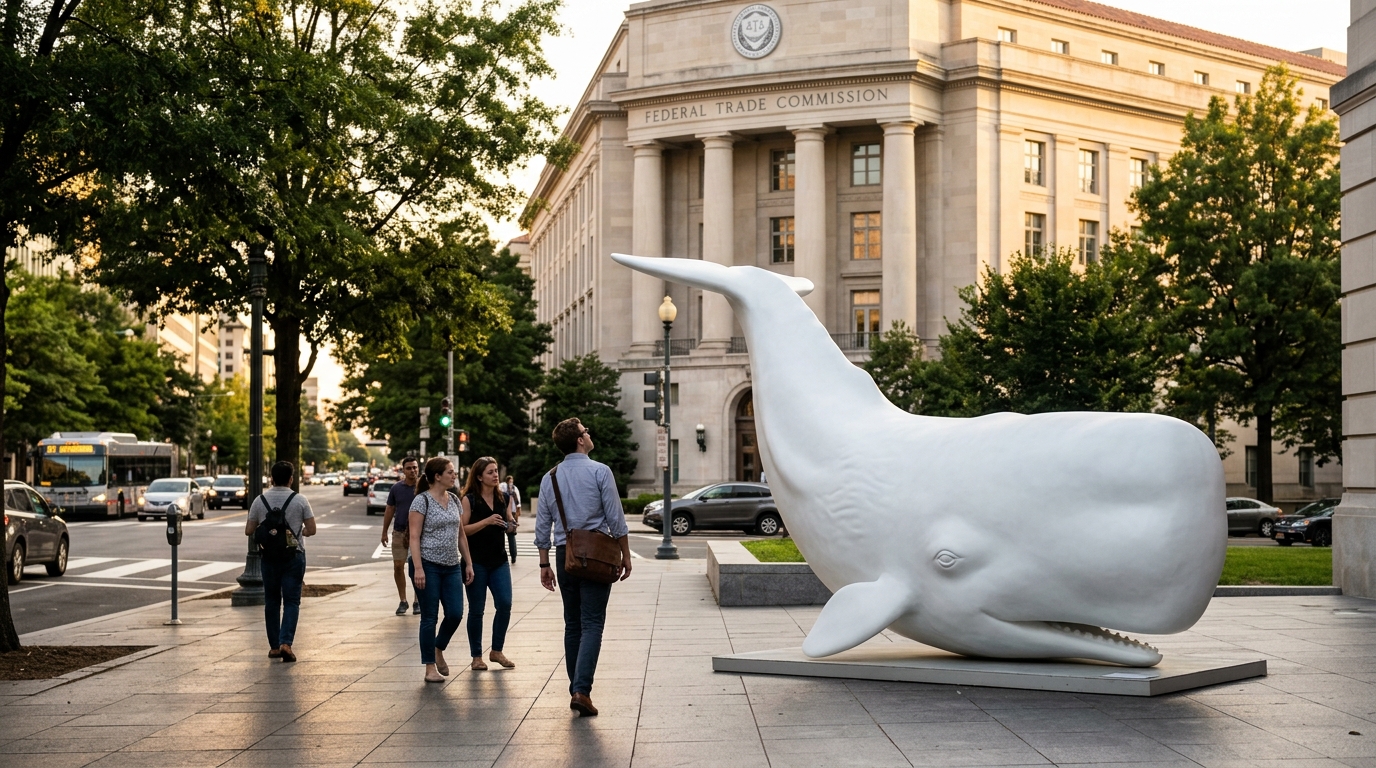
A Whale of a Sighting in Federal Triangle
The sudden emergence of the white whale offers a stark, artistic contrast to the neoclassical architecture of the Federal Trade Commission, located at 600 Pennsylvania Avenue NW. The FTC building, a cornerstone of the Federal Triangle historic district, typically hosts statues representing commerce and justice, not marine leviathans. The statue itself appears to be a substantial, perhaps life-sized or near life-sized, rendering of a white whale, its smooth, pale form standing out against the building's stone facade. Its presence transforms a familiar government landmark into a canvas for public engagement and artistic interpretation. Residents navigating the bustling streets of the Federal Triangle, a nexus of federal agencies and historic sites, found themselves pausing to take in the unusual spectacle. The choice of location isn't just coincidental; it invites speculation. Is there a deeper meaning behind placing a symbol of elusive pursuit and grand quests—the literary "white whale"—directly across from an agency tasked with consumer protection and antitrust enforcement? It's the kind of subtle, thought-provoking artistic gesture that sparks conversation and encourages a fresh look at familiar surroundings.The Friends of the White Whale Society and Community Engagement
The "Friends of the White Whale Society" is not an entirely new concept for local observers. The initiative is explicitly linked to the team behind "Hawks around Town," a beloved community project known for documenting hawk sightings across the DMV region. While "Hawks around Town" focuses on natural wildlife observation, the "White Whale Society" seems to extend this concept into the realm of public art and shared urban discovery. Both projects thrive on community participation, encouraging residents to submit their own sightings to a central hub, fostering a collective appreciation for the unexpected beauty and intrigue found in daily life. This model of "citizen reporting" for cultural events transforms passive onlookers into active participants. It's a testament to the power of local media and community organizers to create shared experiences that go beyond traditional news. By inviting submissions, the project not only gathers content but also builds a sense of ownership and collective narrative among residents. This approach echoes broader trends in urban planning and community development that emphasize public art as a tool for engagement and placemaking, turning everyday spaces into points of interest and discussion.Echoes of Moby Dick: Symbolism in the City
The imagery of a "white whale" immediately conjures Herman Melville's classic novel, *Moby Dick*, a tale of obsessive pursuit, grand ambition, and the elusive nature of ultimate goals. In the context of Washington, DC, a city often defined by ambition and the pursuit of political or economic "white whales," the symbolism feels particularly resonant. The Federal Trade Commission, for instance, is constantly pursuing its own "white whales" in the form of monopolistic practices, consumer fraud, and unfair competition. The statue could be seen as a playful commentary on these enduring struggles, or simply a reminder of the grand, often quixotic, quests that define human endeavor. Public art installations like this often serve as a mirror, reflecting societal values, anxieties, and aspirations. The white whale, an emblem of both awe and terror, of the unattainable and the all-consuming, prompts passersby to consider their own pursuits and the larger forces at play in a city of power. It’s a moment of cultural juxtaposition, inviting deeper thought beyond its initial visual impact. Whether interpreted as a critique, a celebration, or simply a piece of urban whimsy, its power lies in its ability to spark individual and collective reflection.The Evolving Landscape of DC's Public Spaces
This white whale sighting is more than just a quirky photo opportunity; it highlights a growing trend in how Washington, DC, residents interact with and interpret their urban environment. From impromptu street performances to pop-up art galleries, the city's public spaces are increasingly becoming dynamic canvases for creative expression and community dialogue. These initiatives challenge the traditional view of public art as static monuments, instead embracing temporary, interactive, and often surprising installations that inject vitality into everyday routines. Such projects foster a sense of shared identity and local pride, as residents collectively experience and discuss these unique moments. The element of surprise, coupled with the opportunity for citizen contribution, makes these "sightings" particularly engaging. They transform the mundane commute into an adventure, the familiar street corner into a gallery. It’s a reminder that even in a city dominated by serious policy and politics, there’s ample room for imagination, humor, and communal wonder.📍 Local Resources
Supports and promotes the arts and humanities in Washington, DC, including public art initiatives and community engagement.
Connects artists with spaces and audiences, facilitating innovative projects and public art in the District.
Explore more on this topic
Related Stories
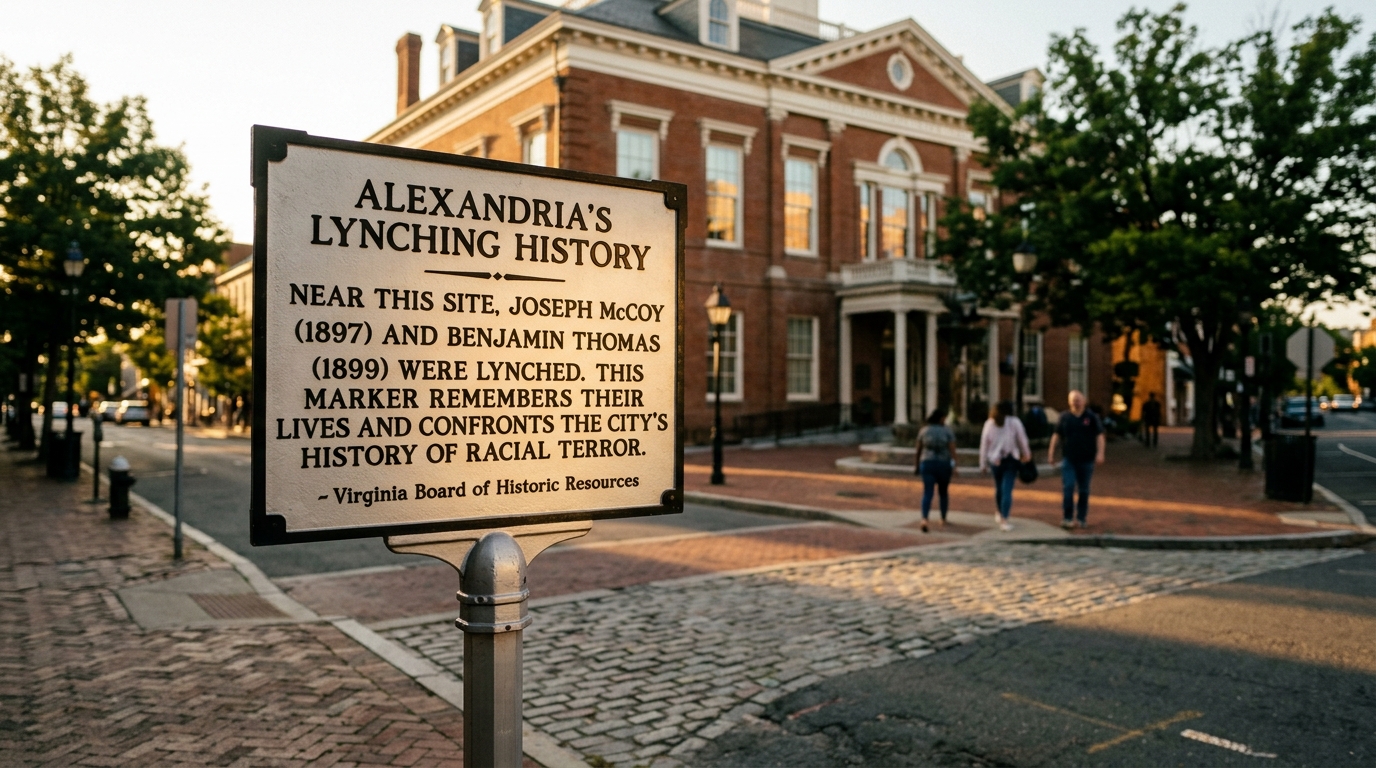
Alexandria to Install Historic Marker Recognizing Lynchings Near City Hall
The Virginia Board of Historic Resources has approved a new marker near Alexandria City Hall to recognize the lynchings of Joseph McCoy and Benjamin Thomas, marking a significant step in confronting the city's racial history.
'No Kings' Movement Plans Early Voting Rallies in Arlington
Activists from the "No Kings" movement are planning get-out-the-vote rallies at Arlington's early voting locations next week, aiming to energize voters and express opposition to President Donald Trump. These demonstrations are part of a nationwide effort to encourage civic participation during the critical early voting period.
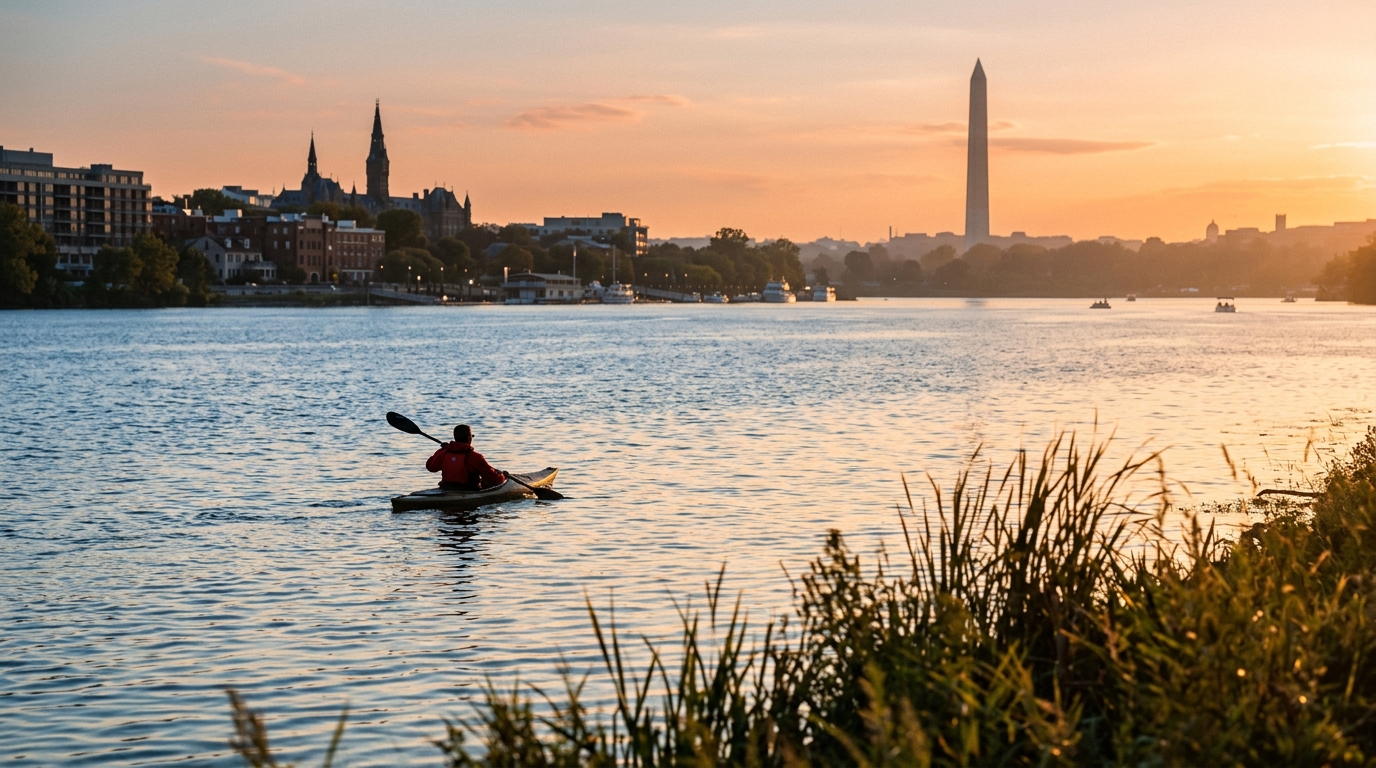
Potomac River Declared Fully Recovered After January Sewer Line Collapse
After months of rigorous testing, DC Water confirms the Potomac River has fully recovered from January's sewer line collapse, with no lasting harm to the waterway.