What Montgomery County Council Alignment Means for Executive Candidates
Share this article

Montgomery County's political landscape is seeing early strategic moves as members of the County Council reportedly begin to align themselves with various executive candidates. This development, highlighted by Montgomery Perspective, signals the unofficial start of a critical period for shaping the county's future leadership and policy direction. Such alignments, often manifesting as endorsements or public support, can significantly influence public perception and fundraising efforts for candidates vying for the top executive role.
The County Executive position is pivotal, overseeing the daily operations of Montgomery County's government and proposing the annual budget, which is then reviewed and approved by the County Council. The synergy or friction between these two branches of government can profoundly impact everything from local infrastructure projects to education funding and public safety initiatives across communities like Silver Spring, Bethesda, Gaithersburg, and Germantown.
The Strategic Value of Council Endorsements
For executive candidates, securing the endorsement of sitting County Council members offers several strategic advantages. It can lend immediate credibility, signaling to voters that a candidate has the trust and respect of established local leaders. These endorsements often come with an implied network of campaign volunteers, access to constituent groups, and a deeper understanding of specific community needs and concerns. Council members, in turn, may align with candidates whose platforms most closely mirror their own policy priorities or those who they believe can best collaborate with the legislative body.
The process of alignment is not always overt; it can involve private discussions, public appearances, or subtle signals of support. Regardless of the method, the goal is often to consolidate power and present a unified front to the electorate. This can be particularly impactful in a county as diverse and populous as Montgomery County, where voters span a wide range of demographics and political ideologies. Understanding the dynamics between the legislative and executive branches is crucial for effective governance in the county, as outlined on the official Montgomery County Council website and the Office of the County Executive's page.
Implications for Voters and Future Policy
For Montgomery County residents, these early alignments can offer insights into the potential direction of the next administration. When council members, who are directly accountable to their constituents, throw their weight behind an executive candidate, it suggests a shared vision for the county. This shared vision could translate into specific policy agendas, such as changes in zoning laws, investment in public transportation like WMATA's Metro system, or new initiatives for affordable housing.
Voters should pay close attention to which candidates are gaining support from council members, as it may indicate who is perceived as most capable of navigating the complex political landscape of Rockville and beyond. These endorsements can also influence voter turnout and shape the narrative of the election, potentially highlighting certain issues or candidates over others. Information on voter registration and election processes is available through the Maryland State Board of Elections.
Shaping the Next Chapter of Montgomery County Governance
The reported alignment
Explore more on this topic
Related Stories

After 'Snowcrete': DC's Winter Preparedness Gets a Hard Look for Next Season

Chantilly's New CMP BowWow Unleashes Halloween Fun with Grand Opening Bash
Chantilly's newest dog day care, CMP BowWow, is hosting a Halloween-themed grand opening party this Saturday, October 17, 2026, inviting local pet owners and their furry friends to celebrate.
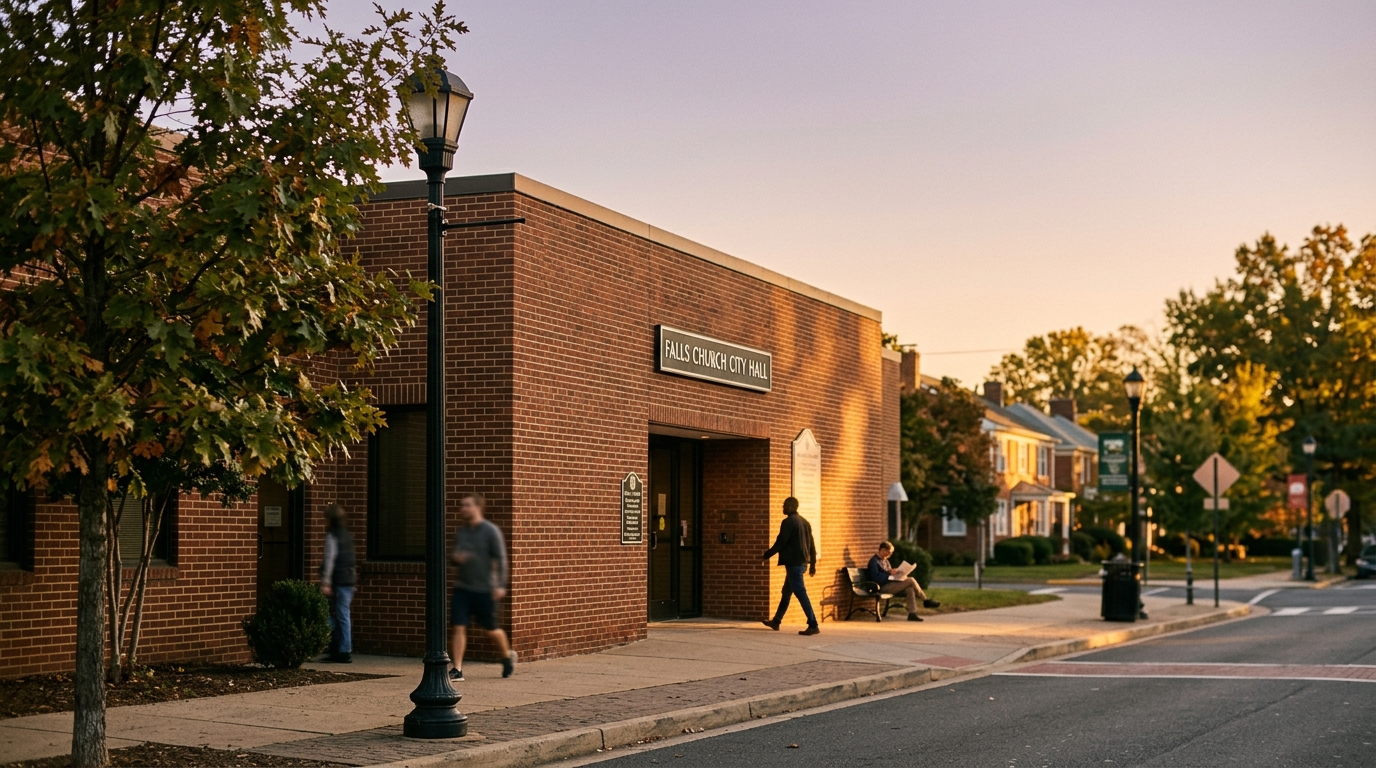
Falls Church Arts Funding Under Scrutiny: Two Groups May Get City Support Despite Committee's Misgivings
Two Falls Church arts groups may receive city funding despite reservations from the city's arts committee, sparking discussion about local funding processes and the role of advisory bodies.