Arts
After 'Snowcrete': DC's Winter Preparedness Gets a Hard Look for Next Season
Share this article
Advertisement
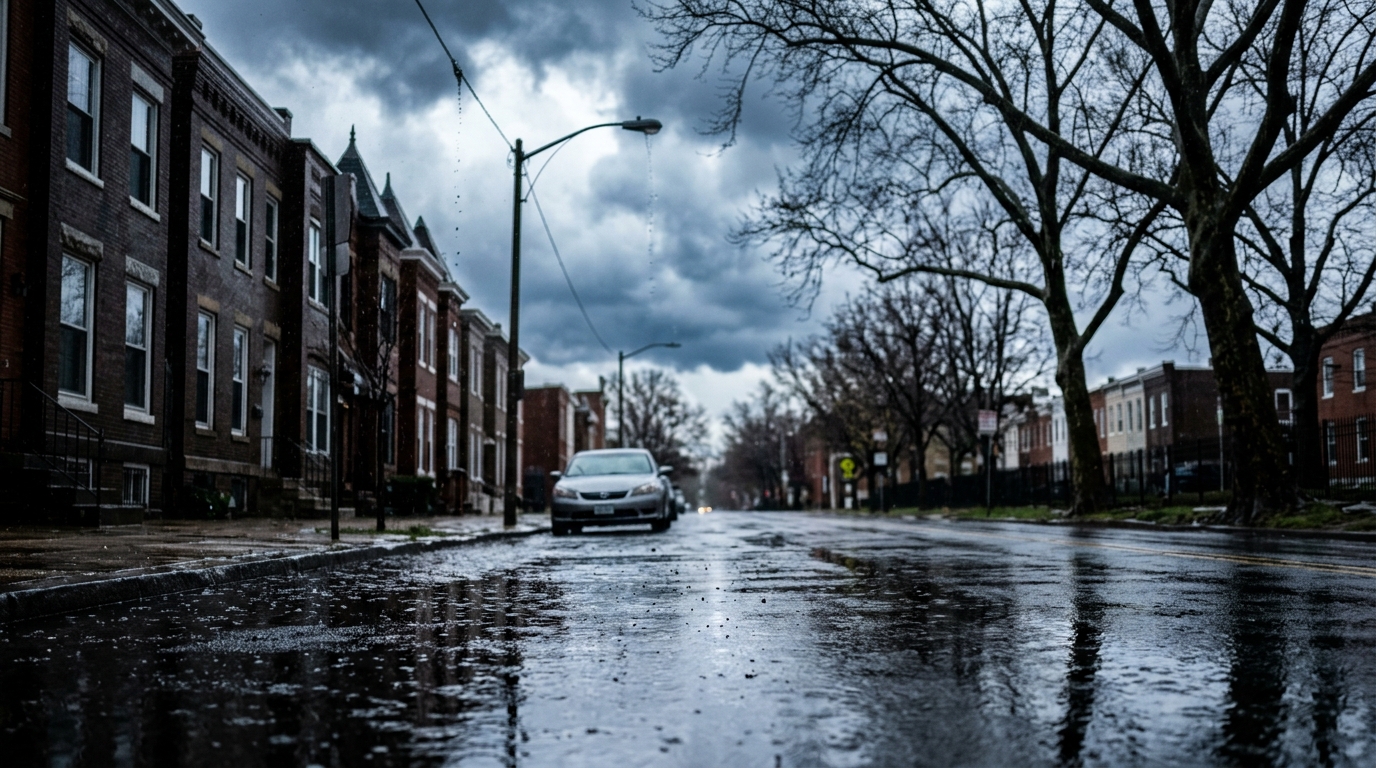
The memory of "snowcrete" still lingers for many Washington, D.C., residents, a vivid reminder of just how challenging winter weather can be in the nation's capital. That stubborn, compacted snow and ice from a January past isn't just a distant memory; it's now a key factor shaping the District's strategic planning for what could be another brutal winter season ahead. City officials are looking back at the difficulties posed by that particular January event as they lay the groundwork for future snow and ice removal efforts. The goal is clear: to ensure the District is better equipped to handle severe weather, keeping streets clear and residents safe, even when faced with conditions as tough as "snowcrete."
Washington, D.C.'s winter preparedness strategy is directly influenced by past challenging weather events like "snowcrete," aiming for enhanced resilience.
### Understanding the Challenge of 'Snowcrete' The term "snowcrete" itself paints a picture: snow that's been so compacted, frozen, and mixed with slush and ice that it takes on the consistency of concrete. It's far more formidable than fresh powder, posing unique challenges for plows, salt trucks, and even shovels. When this type of precipitation hits, it doesn't just block roads; it creates treacherous conditions for pedestrians, impedes emergency services, and can slow the entire city to a crawl. In a densely populated urban environment like Washington, D.C., where narrow streets, parked cars, and historic districts converge, clearing "snowcrete" becomes an intricate logistical puzzle. Every inch of pavement matters, and efficient removal is critical for maintaining public safety and economic continuity. The lessons learned from previous encounters with such stubborn winter conditions are invaluable, providing actionable insights for improving response times, resource allocation, and communication strategies. ### Preparing for What's Ahead As the District looks toward the upcoming winter season, the focus is on proactive measures. This includes everything from ensuring an adequate supply of salt and de-icing agents to maintaining a fleet of snow removal vehicles ready for deployment. The experiences of past winters, particularly the "snowcrete" event, serve as a critical benchmark for evaluating the effectiveness of current protocols and identifying areas for improvement. City agencies, including the Department of Public Works (DPW) and the Homeland Security and Emergency Management Agency (HSEMA), typically work in concert to coordinate winter weather responses. Their planning involves a multi-faceted approach that considers not just the immediate impact of snowfall but also the lingering effects of ice and compacted snow. This comprehensive strategy aims to minimize disruptions and protect residents and visitors alike. ### Impact on DMV Residents For residents across Washington, D.C., this forward-thinking approach to winter preparedness means a greater emphasis on resilience. The District's planning, informed by the tough lessons of "snowcrete," could translate into more efficient snow removal on neighborhood streets, better communication about road conditions, and more accessible public services during severe weather events. It's about ensuring that the city can bounce back quickly from winter's worst, keeping vital arteries open and daily life moving as smoothly as possible. Residents should pay close attention to official advisories as the colder months approach, staying informed about specific plans and any preparedness actions they might need to take. Looking ahead, residents can expect to hear more about specific winter preparedness campaigns from D.C. government agencies. These efforts often include advice on creating emergency kits, understanding snow emergency routes, and knowing where to report issues like unshoveled sidewalks. The overarching goal is to foster a community-wide sense of readiness, where both the city and its residents are prepared for whatever the winter might bring. The District's commitment to learning from past weather events underscores its dedication to public safety and continuity. While no amount of planning can entirely prevent the challenges of a truly brutal winter, incorporating the hard-won wisdom from incidents like "snowcrete" can certainly make the next one more manageable for everyone living and working in Washington, D.C. 📍 Local Resources
DC Homeland Security and Emergency Management Agency (HSEMA)
Provides emergency preparedness information, alerts, and resources for D.C. residents.
📞 Phone: (202) 727-6161 (Non-Emergency)
🌐 Website: hsema.dc.gov
📍 Location: 2720 Martin Luther King Jr Ave SE, Washington, DC 20032
Advertisement
Explore more on this topic
Related Stories
Arts
Chantilly's New CMP BowWow Unleashes Halloween Fun with Grand Opening Bash
Fairfax County·Arts
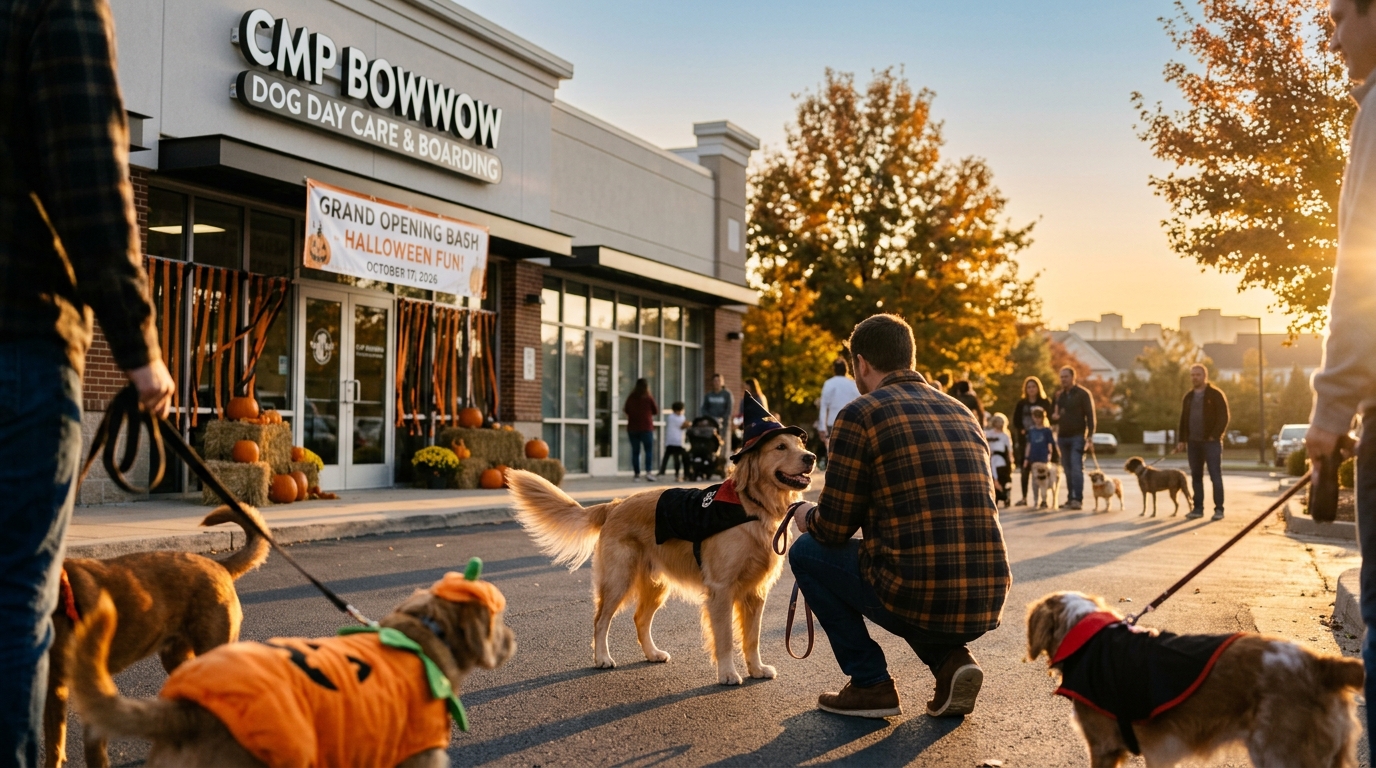
Chantilly's newest dog day care, CMP BowWow, is hosting a Halloween-themed grand opening party this Saturday, October 17, 2026, inviting local pet owners and their furry friends to celebrate.
about 6 hours ago4 min read
Arts
Falls Church Arts Funding Under Scrutiny: Two Groups May Get City Support Despite Committee's Misgivings
Arts
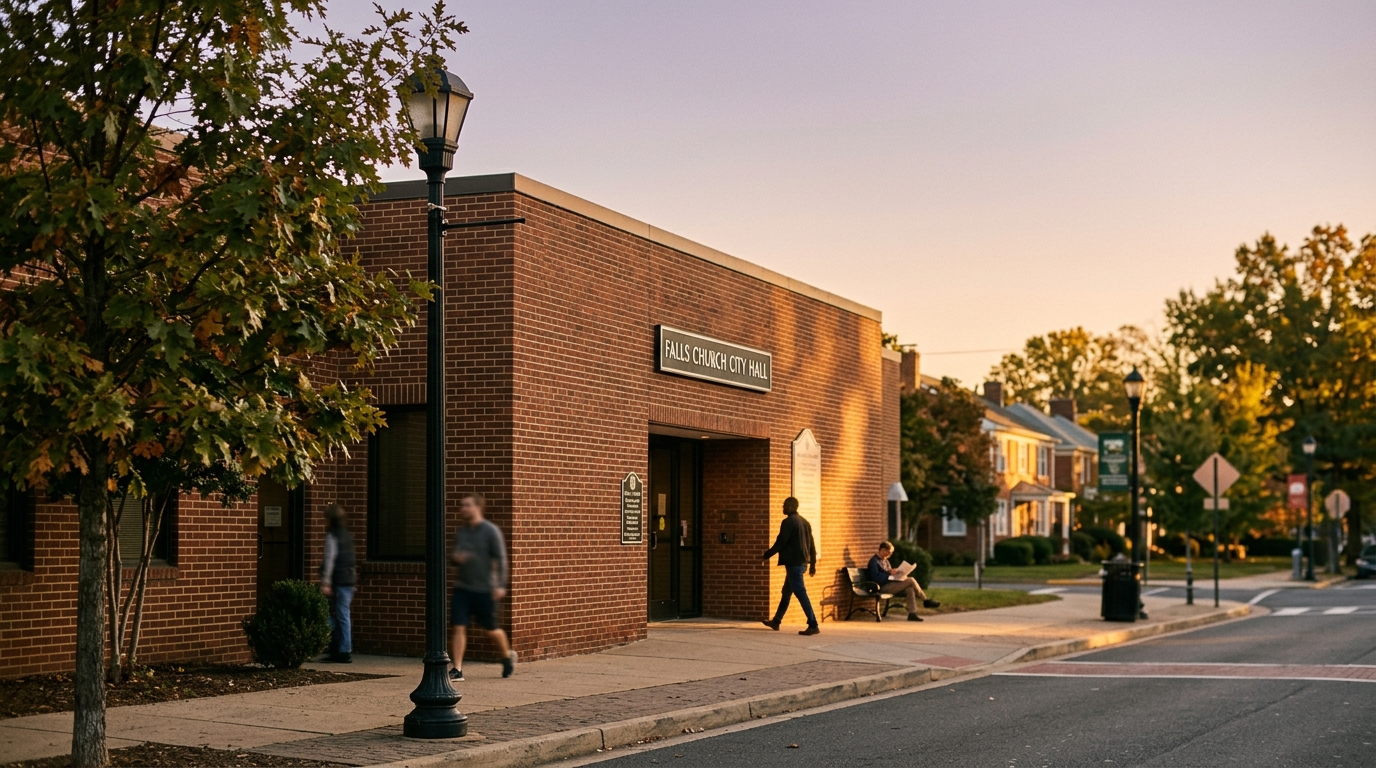
Two Falls Church arts groups may receive city funding despite reservations from the city's arts committee, sparking discussion about local funding processes and the role of advisory bodies.
about 11 hours ago4 min read
Arts
Fairfax County Approves MetroWest Apartment Revisions, Promising More Retail Near Vienna Metro
Fairfax County·Arts
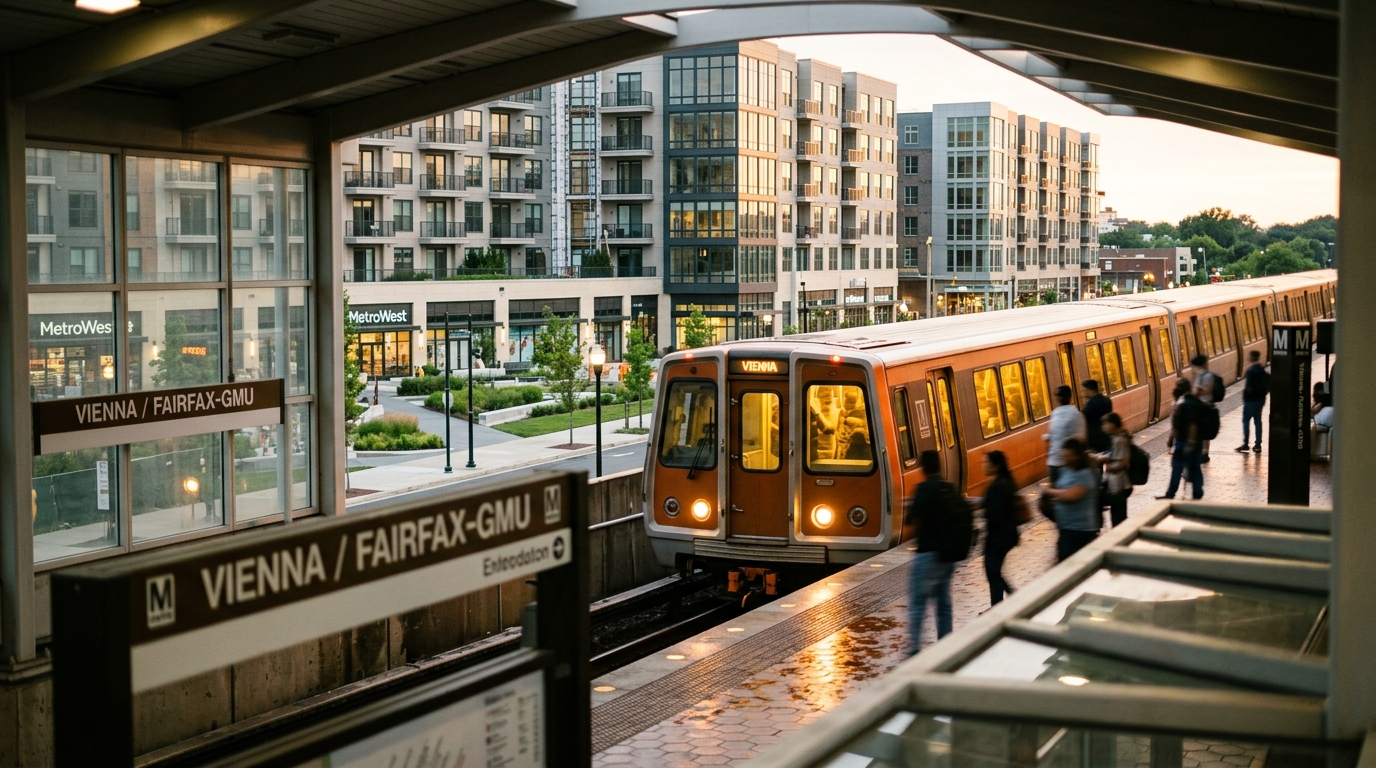
Fairfax County has approved revisions to an apartment building in the MetroWest neighborhood near the Vienna Metro station, a change expected to introduce more retail options to the area and enhance local amenities for residents.
about 12 hours ago4 min read